10 Best Oils For Chopping Boards
From leading brands and best sellers available on the web.By clicking on a link to a third party's website, log data is shared with that third party.
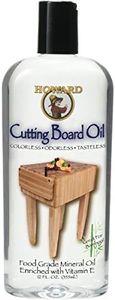
Related Products
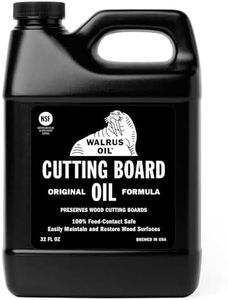
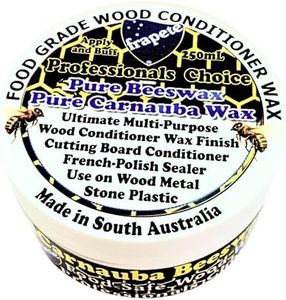
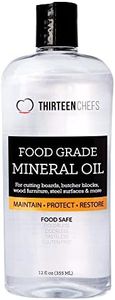
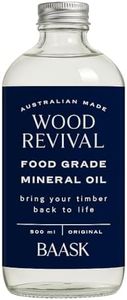
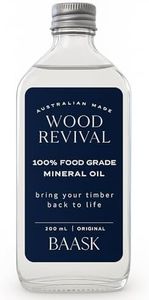
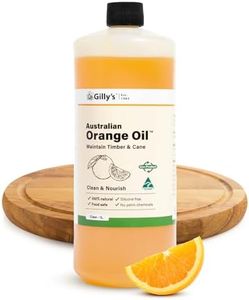
Buying Guide for the Best Oils For Chopping Boards
When it comes to caring for your wooden chopping boards, the type of oil you use is very important. Proper oiling keeps the board from drying out, cracking, or harboring bacteria. Not all oils are suitable, as some can go rancid or be unsafe for food contact. Choosing the right oil will protect your chopping board, enhance its natural beauty, and extend its life. It's good to understand the specific qualities you should look for so that your board stays safe for preparing food and looks great.Food SafetyFood safety means that the oil you use is approved for contact with food, so that no harmful substances transfer to your food while chopping. Some oils, such as certain mineral oils and plant-based oils, are specifically labeled as food-safe. Make sure that any oil you choose is intended for use on surfaces that come into contact with food, and never use non-food-safe oils meant for furniture or finishing wood. When picking, prioritize oils labeled as food-grade or food-safe, especially if you prepare food directly on your board.
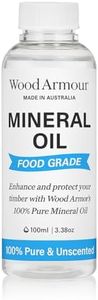
Type of OilThere are mainly two types of oils to consider: mineral oils (usually derived from petroleum but highly refined for safety) and natural oils (like coconut, walnut, or linseed oil). Mineral oils are stable, odorless, and don't go rancid, making them a very popular and reliable choice. Some natural oils, like fractionated coconut oil, are safe and stable, but others, such as olive or regular vegetable oils, may eventually spoil or leave sticky residues. Select an oil known specifically for food service and durability, and be cautious with oils if you or anyone in your household has allergies.
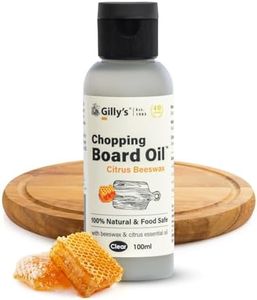
Absorption and FinishAbsorption refers to how deeply the oil soaks into the wood and whether it leaves a residue or shiny film on the surface. Oils that absorb well will penetrate and moisturize the wood, preventing drying and cracking, while poorly absorbing oils might sit sticky on the surface. Lightweight oils like mineral oil penetrate most woods effectively without being greasy. For a richer, more water-repellent finish, you might look at oils blended with natural waxes, such as beeswax, which seal the board better but might need more effort to apply. Think about whether you want a deep, natural finish or an easier, lighter application based on how often you use and clean your board.
Drying Time and SmellNot all oils dry at the same rate or are completely odorless. Drying time affects how soon you can use the board after application, and a strong smell could affect the taste of your food or your enjoyment of the board. Mineral oils and most dedicated chopping board oils are virtually odorless and can be used within a day of application, whereas some natural oils may have lasting smells or take longer to set. If quick turnaround and lack of scent are a priority for you, opt for fast-absorbing, unscented oils.
Maintenance RequirementSome oils require more frequent reapplication than others; for example, mineral oil generally needs to be reapplied once a month or more often if the board is washed regularly, while blends with wax last longer but need more effort to apply. Your cooking habits and how much you use your chopping board can help determine the right maintenance level—if you want low-fuss upkeep, look for oils or oil-wax blends that promise longer-lasting protection, but be ready to buff them in as directed.