7 Best Orchid Potting Mediums
From leading brands and best sellers available on the web.By clicking on a link to a third party's website, log data is shared with that third party.
Buying Guide for the Best Orchid Potting Mediums
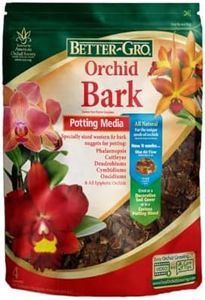
Choosing the right orchid potting medium is essential for healthy plant growth, as it affects moisture retention, drainage, and aeration for the roots. Understanding your orchid's natural environment and specific needs will help you make a choice, since different orchids thrive in different conditions. Before selecting, think about the type of orchid you have, your watering routine, and the local climate.DrainageDrainage refers to how quickly water passes through the potting medium. Good drainage is crucial because orchids do not like to sit in soggy conditions, which can lead to root rot. Potting mediums can be divided based on drainage: fast-draining (like bark or coarse stones), moderate (medium-grade bark or coconut husk chips), and slow (fine mixes with moss). If you tend to water frequently or live in a humid climate, use a fast-draining medium. If your environment is dry or you often forget to water, a medium that retains a bit more moisture may be better.
AerationAeration means how easily air can reach the roots. Roots need oxygen to thrive, and compact or fine mediums restrict airflow. Coarse chunks like bark or lava rock provide high aeration, while fine mixes or moss can pack tightly, providing less air. If your orchid species is epiphytic (grows on trees in nature), it will prefer a very airy medium. If it's terrestrial, it may tolerate less aeration.
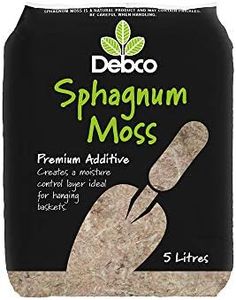
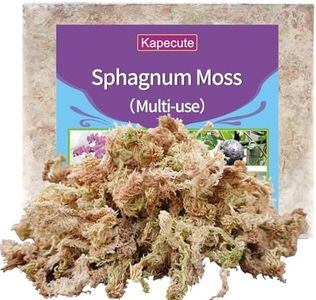
Moisture RetentionThis spec describes how well the medium holds onto moisture. Sphagnum moss and coconut coir are high in moisture retention, while bark and perlite dry out faster. High moisture mediums are suitable for species with thinner roots or when you want to water less often. Be careful, though; too much moisture can cause roots to rot, especially in cool or humid environments.
Medium LifespanMedium lifespan describes how long the medium holds up before it breaks down. Bark and coconut chips tend to decompose after a couple of years and can compact, reducing drainage and aeration. Inorganic media like clay pellets, lava rock, or charcoal last much longer. If you don’t want to repot often, choosing a long-lasting material might be preferable.
Weight and StabilityThe weight of a medium affects the stability of the pot, especially for larger orchids. Lightweight media are easier to handle but can make tall plants top-heavy. Heavier media like stones or large bark chunks provide stability for top-heavy plants. Consider the size of your orchid and if it tends to tip over when choosing.
Cleanliness and Pest ResistanceSome media are less likely to attract pests or develop mold. Inorganic materials and well-washed bark are generally cleaner. If you have had pest issues or worry about mold, lean toward sterilized or inert mediums.