3 Best Orchid Potting Mix
From leading brands and best sellers available on the web.By clicking on a link to a third party's website, log data is shared with that third party.
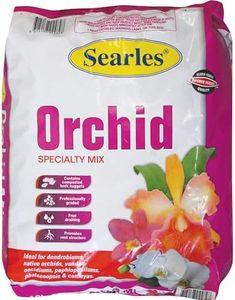
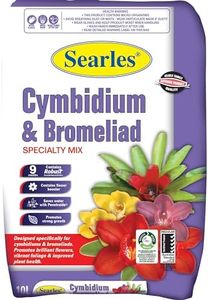
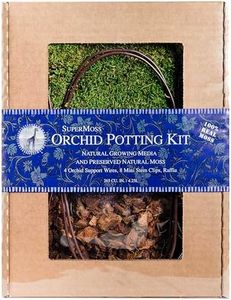
Buying Guide for the Best Orchid Potting Mix
Choosing the right orchid potting mix is crucial for the health and growth of your orchids. Orchids are different from many other houseplants because they often grow on trees in the wild, not in soil. This means they need a special potting mix that provides good support, plenty of air around the roots, and excellent drainage. When selecting a potting mix, think about the needs of your specific orchid variety and the conditions in your home, such as humidity and how much time you can spend caring for your plant.Main IngredientsOrchid potting mixes are typically made up of a blend of bark, sphagnum moss, perlite, charcoal, and coconut husk. The main ingredient affects how much water the mix retains and how much air the roots get. Bark lets in lots of air and drains quickly, ideal for most common orchids; moss holds more moisture, which is good if you live in a drier climate or tend to forget watering; perlite and charcoal help with drainage and keeping the mix fresh. To choose the right blend, think about your watering habits and climate. If you water often, a chunkier bark mix is safer; if you forget, a mossy blend can save your orchid from dryness.
Drainage AbilityGood drainage is essential for orchid roots, which easily rot if left in standing water. Potting mixes can range from very fast-draining (mostly bark, perlite, or coarse materials) to mixes that retain more moisture (those with sphagnum moss or fine materials). If you're in a humid area or tend to overwater, choose a very well-draining mix. If your home is dry or you skip watering sometimes, pick one with more moss to provide a moisture buffer.
Particle SizeThe size of the pieces in the mix (bark chunks, moss strands, etc.) matters because it affects airflow and how tightly the mix holds together. Fine mixes hold water longer and fit smaller orchid roots; medium mixes are versatile for most orchids; coarse mixes provide maximum airflow for large-rooted varieties. Choose finer mixes for young or small-rooted orchids, and coarser mixes for mature plants or orchids with thick roots.
Sterility and CleanlinessA good potting mix should be clean and free from pests or diseases. Sterile mixes reduce the chance of introducing bugs or mold to your orchids. When evaluating potting mixes, look for those that are labeled as sterilized or screened for quality. If you are prone to pest problems or want extra safety, pick a blend that promises cleanliness or consider sterilizing it yourself before use.
Nutrient ContentMost orchid mixes don't contain a lot of nutrients by themselves, since orchids typically get nutrients from the air and rain. Some mixes might have slow-release fertilizer or organic matter added in. If you don’t fertilize regularly, a mix with a little added nutrition can help, but most orchid growers do better fertilizing separately to control what the plant gets.