3 Best Orchid Potting Mixes
From leading brands and best sellers available on the web.By clicking on a link to a third party's website, log data is shared with that third party.
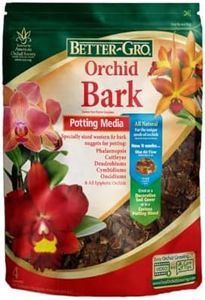
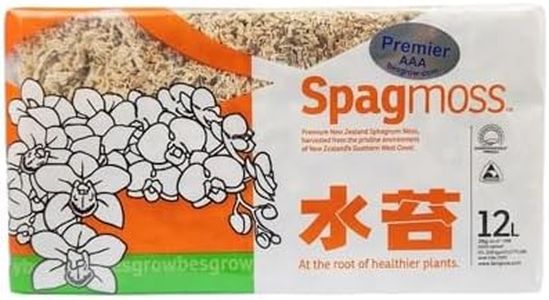
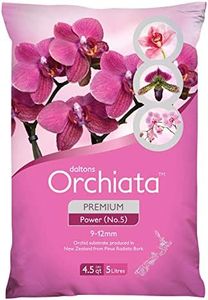
Buying Guide for the Best Orchid Potting Mixes
Choosing the right orchid potting mix is essential for healthy, thriving orchids. Orchids have different needs from typical houseplants, often requiring air for their roots and excellent drainage. The right mix supports good moisture balance, prevents root rot, and gives your orchids the right environment to grow. When picking a potting mix, understanding the major components and their properties will help you find the best fit for your specific type of orchid and your growing conditions.DrainageDrainage refers to how quickly water moves through the potting mix and away from the orchid's roots. Excellent drainage is one of the most important factors, because orchid roots are prone to rot if they stay wet for too long. Mixes with large particles such as bark or perlite provide fast drainage, while finer particles or soil-based mixes hold onto water longer. If your home is humid or you tend to water often, choose a mix with excellent drainage. If your environment is very dry, you might look for a mix that retains a bit more moisture, but still doesn't stay soggy.
Air FlowAir flow is about how much air can get to the orchid roots, which is critical for their health and growth. Good air flow comes from chunky mixes with large pieces like bark, charcoal, or pumice. A loose, chunky mix prevents the roots from becoming suffocated or developing rot. If you grow orchids in plastic pots or tend to water a lot, a chunkier mix is safer. For people who water less or grow in clay pots that allow extra air, a slightly finer mix can work too.
Water RetentionWater retention describes how well the mix holds onto moisture. Some orchids like Phalaenopsis prefer mixes that retain some water, while others such as Cattleyas want less. Ingredients like sphagnum moss and coconut fiber hold more water, while bark chips and perlite hold less. If you're away from home often or live in a dry climate, a mix that retains some moisture can help. If you tend to overwater or your space is humid, a low-retention, fast-drying mix is better.
IngredientsOrchid mixes commonly contain bark, sphagnum moss, perlite, coconut husk, charcoal, or clay pebbles. Each ingredient behaves differently: bark is common and provides good airflow; moss holds moisture; perlite and charcoal add drainage without much weight; coconut husk is similar to bark but can hold a little more water. When picking a mix, check which ingredients dominate. For most beginner orchids, a bark-based mix is a safe, all-purpose option, but you'll want to adjust based on your specific orchid type and how you care for it.
Particle SizeParticle size means how big the pieces are in the potting mix. Bigger particles increase airflow and drainage, while smaller ones hold on to more water and pack more tightly. For thick-rooted orchids, like many Phalaenopsis, a medium particle size works well. For orchids with fine roots or seedlings, smaller particles are better since they hold more moisture, while large particle mixes are best for orchids that need even more air around their roots. Consider your plant's root type and the typical indoor climate to pick a suitable particle size.
Sterility and PuritySterility and purity focus on how clean and disease-free the potting mix is. Orchid roots are sensitive to bacteria and fungus, so a mix with lots of dust, debris, or decomposing material can lead to problems. Look for mixes that are clean, low in dust, and free from pests or visible mold. When starting out, it's often safer to buy a prepackaged, reputable orchid mix to minimize disease risks, especially if you're new to repotting or don't want to treat or sterilize raw materials yourself.