10 Best Organic Mattress Toppers
From leading brands and best sellers available on the web.By clicking on a link to a third party's website, log data is shared with that third party.
Related Products
Buying Guide for the Best Organic Mattress Toppers
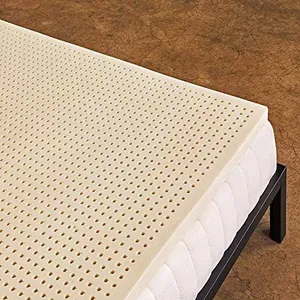
Shopping for an organic mattress topper can make a significant difference in your sleep quality, health, and eco-footprint. Mattress toppers are used to add comfort, support, or even extend the life of your mattress, while organic choices ensure minimal exposure to chemicals and synthetics. To choose the best option, you need to focus on a few key specifications that relate directly to comfort, materials, performance, and suitability for your needs.Material CompositionThis refers to what your mattress topper is actually made from, and for an organic topper, it should be constructed from certified organic materials such as organic cotton, organic wool, or organic latex. The purpose of prioritizing organic materials is to avoid exposure to synthetic chemicals, pesticides, and flame retardants that are commonly present in non-organic products. Cotton toppers offer breathability and a softer surface, wool provides temperature regulation and moisture-wicking, while organic latex gives you enhanced support and durability. Consider allergies, desired firmness, and climate—cotton is cooler and more flexible, wool is great for year-round comfort, and latex is ideal if you need a bit more structure.
Thickness and DensityThickness typically ranges from about 1 to 4 inches, and this dimension will affect both comfort and support. Thinner toppers (1-2 inches) are suitable if you only want a slight addition of softness or contouring, while thicker toppers offer more noticeable transformation for a firmer or aging mattress. Density, on the other hand, relates to the firmness and overall ‘feel’: low-density toppers are generally plusher but less supportive, while high-density ones provide more support and durability. Choose thickness and density based on your sleeping position (side sleepers may want softer and thicker, back or stomach sleepers may prefer something firmer), the state of your mattress, and your comfort preferences.
CertificationsCertifications indicate that the materials used truly meet organic or health standards. The most recognized include GOTS (Global Organic Textile Standard) for textiles and GOLS (Global Organic Latex Standard) for latex. These ensure products are free from harmful chemicals and ethically produced. When navigating certifications, look for recognized marks rather than just ‘organic’ advertising claims. Picking certified options is especially important for sensitive individuals or those committed to eco-friendly practices.
Breathability and Temperature RegulationBreathability is how well air circulates through the topper, preventing overheating at night. Organic wool and cotton are naturally breathable and help regulate temperature, keeping you cool in summer and warm in winter. Organic latex usually offers good airflow thanks to its structure. If you naturally sleep hot or experience night sweats, prioritize materials known for ventilation like wool or latex. For cooler climates or cold sleepers, a wool topper can help maintain warmth.
Allergen ResistanceSome organic materials, like wool and latex, are naturally resistant to dust mites, mold, and mildew, which can be a significant benefit for allergy-prone individuals. This feature helps maintain a healthier sleep environment and reduces the need for frequent cleaning. If you or your family members have allergies or sensitivities, focus on toppers made from these hypoallergenic materials and check for additional anti-allergy claims or hypoallergenic certifications.
Care and MaintenanceProper care can extend the life of your organic mattress topper and keep it hygienic. Some toppers come with removable, machine-washable covers, making cleaning easier. Others may only allow spot cleaning, particularly denser latex options. Consider how much upkeep you are willing to manage—if easy care is a priority, look for toppers with washable covers or materials naturally resistant to stains and odors. Your lifestyle and expectations for care should guide this decision.