10 Best Outdoor Cat Enclosures
From leading brands and best sellers available on the web.By clicking on a link to a third party's website, log data is shared with that third party.
Related Products
Up to 30% off
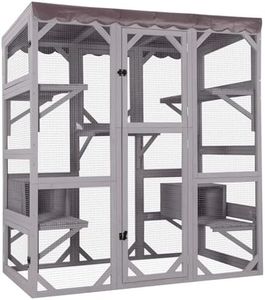
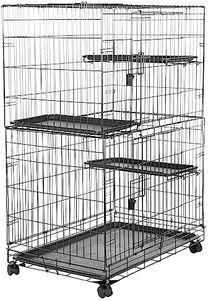
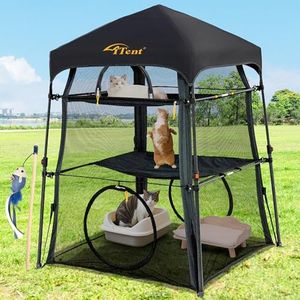
Buying Guide for the Best Outdoor Cat Enclosures
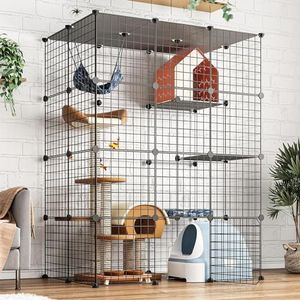
Choosing the right outdoor cat enclosure is all about matching your cat’s needs and your available space while keeping your pet safe and happy. The main things you’ll want to think about are your cat’s size and activity level, where the enclosure will go, how easy it is to set up and keep clean, and how much protection it offers from the elements and potential predators. Knowing how your cat likes to play or lounge, as well as understanding your own lifestyle and maintenance preferences, will really help guide your decision.Size and SpaceThis refers to the overall dimensions of the enclosure and how much room your cat will have to move around. Larger enclosures offer more space for roaming and playing, while smaller ones may only be suitable for quick outdoor breaks or limited activity. If you have a big, energetic cat or multiple cats, more space allows for exercise and prevents overcrowding. For quieter, less active cats or tight outdoor areas, a smaller model might do just fine. Think about how much space you have in your yard or on your balcony and what kind of activities your cat enjoys before choosing.
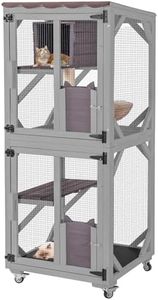
Material and DurabilityOutdoor cat enclosures can be made from various materials such as metal, plastic, mesh, or wood. Durable materials withstand weather conditions and resist chewing or scratching, which is especially important if the enclosure will stay outside year-round or if your cat is playful or curious. Metal enclosures usually last longer and provide more security, while mesh options are lighter and easier to set up. Choose the material based on your area's weather, your preference for appearance or sturdiness, and how much wear and tear you expect from your cat.
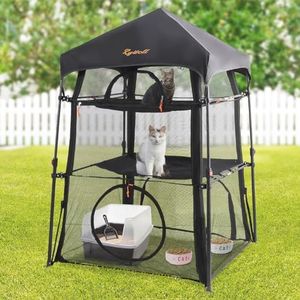
Protection and SecurityThis covers features designed to keep your cat safe from potential hazards like predators, escaping, or harsh weather. Look for sturdy locking mechanisms, fine mesh or closely spaced bars, and covered tops to prevent jumping or climbing out. Some enclosures have weatherproof covers for rain or sun protection. If you live in an area with lots of wildlife or unpredictable weather, prioritize these protective features to give you peace of mind while your cat is outside.
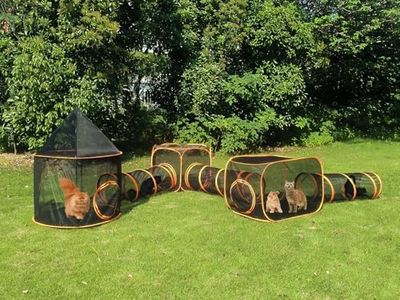
Ease of Assembly and PortabilitySome enclosures are permanent structures, while others are foldable or easy to move. If you want to frequently change locations or bring the enclosure inside during bad weather, a lightweight, quick-to-assemble design is helpful. On the other hand, for a fixed spot in your backyard, you might prefer something more robust that takes longer to set up. Consider how often you’ll move or reassemble the enclosure and how much effort you’re willing to put into setup.
Accessibility and Entry PointsThink about how your cat (and you) get in and out—features like doors, zippers, or tunnels can make a difference. Convenient entry points make it easier for you to place or remove your cat, and for your pet to explore comfortably. Multiple access doors are helpful for cleaning or for homes with more than one cat. Choose an enclosure with simple, manageable openings that match your space and routine.
Enrichment FeaturesSome enclosures come with shelves, perches, or tunnels, creating opportunities for climbing, lounging, and exploring. These extras keep your cat engaged and prevent boredom, especially for longer outdoor stays. If your cat enjoys climbing or watching birds, look for models with built-in levels or platforms. For more relaxed cats, simple ground-level spaces with comfortable spots for resting might be enough. Match the enclosure’s features to your cat’s personality for the best experience.