We Use CookiesWe use cookies to enhance the security, performance,
functionality and for analytical and promotional activities. By continuing to browse this site you
are agreeing to our privacy policy
9 Best Outdoor Extension Cords
From leading brands and best sellers available on the web.By clicking on a link to a third party's website, log data is shared with that third party.
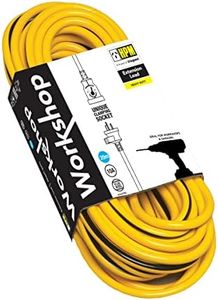
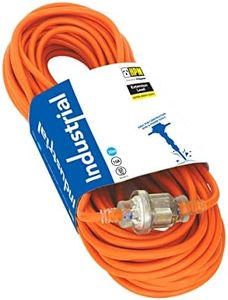
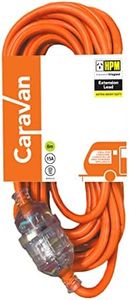
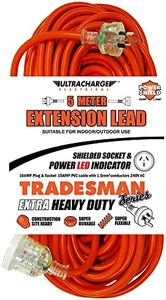
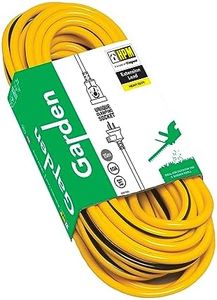

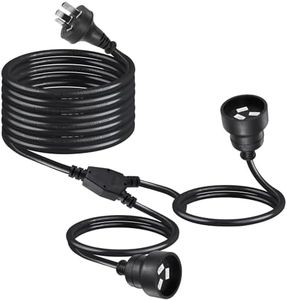
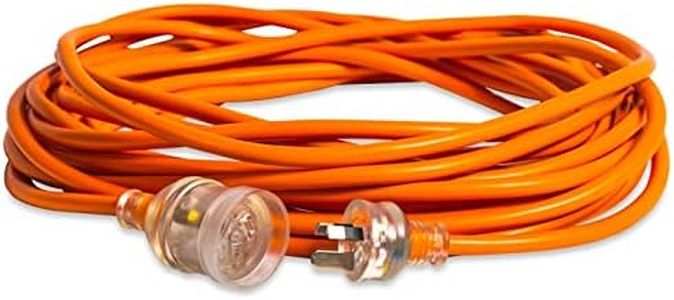
Buying Guide for the Best Outdoor Extension Cords
Choosing the right outdoor extension cord is important to ensure safety, performance, and durability for your outdoor power needs. Since outdoor environments can be harsh, it’s essential to pick a cord designed specifically to withstand weather, sunlight, and potential moisture. Start by thinking about what devices you’ll be plugging in and how far away they are from your power source. Prioritizing features like safety certifications, weather resistance, and appropriate capacity will help you find a cord that’s reliable and safe for all your outdoor activities, from gardening to powering outdoor tools.LengthThe length of an extension cord refers to how far it can reach from the power source to your device. Longer cords offer more flexibility but may also cause more power loss and bulkiness. Shorter cords are more efficient if your power needs are close to the outlet. For small yards or patios, a 25-foot cord might be enough; for larger gardens or areas, you might need 50 or even 100 feet. To choose the right length, measure the distance between your outlet and your typical work area, and pick a cord slightly longer to avoid tugging or stretching.
Gauge (Wire Thickness)Gauge indicates the thickness of the wire inside the cord and is measured in AWG (American Wire Gauge). Lower numbers mean thicker wires, which can handle more power with less voltage drop. Typical gauges for outdoor extension cords are 10, 12, or 14 AWG. A 10 or 12 gauge cord is ideal for heavy-duty tools or long distances, as it safely carries higher loads, while a 14 gauge suits lighter tasks closer to the outlet. Think about how much power your equipment needs and the cord's length; higher power over longer distance needs a lower gauge number (thicker wire) for safety.
Outdoor RatingAn outdoor rating shows that the cord is built to withstand exposure to weather, sunlight, moisture, and rougher handling. These cords have tougher insulation and are often marked with a 'W' or labeled 'Outdoor Use'. This rating is important because regular indoor cords can deteriorate quickly or even become hazardous if used outside. Always confirm the packaging or markings specify outdoor use before buying, especially if you'll encounter rain or wet conditions.
Amperage CapacityThe amperage capacity tells you how much electrical current the cord can safely carry, usually labeled in amps (A). Choosing a cord with too low a capacity for your device can overheat the cord and create a fire risk. Check the amperage requirements of your highest-demand tool or appliance, and match or exceed that number with your cord’s rating. For instance, if your device draws 13 amps, make sure your cord is rated for at least 13 amps, especially for longer cords.
Plug Type and GroundingOutdoor extension cords commonly have either two-prong or three-prong plugs, with the third prong providing grounding for safety. Grounded plugs are much safer for outdoor use, especially for high-powered devices or when there’s any risk of moisture. Make sure your cord and devices have compatible plug types, and prefer three-prong grounded cords for most outdoor tasks.
Durability FeaturesFeatures like reinforced strain relief, thick jackets, and flexibility ratings indicate a cord is built to handle being dragged, twisted, or even briefly run over. Some cords are also marked as oil-resistant or rated for extra-cold weather. If you plan to use your cord often or in tough environments (yards with rocks, construction sites, or winter), look for these enhanced durability features for longer lifespan and safety.
Color and VisibilityMany outdoor cords come in bright colors for visibility, reducing tripping hazards and making the cord easy to spot in grass or dirt. If your cord will be used in busy or shared spaces, or where lawn equipment operates, a high-visibility color is a smart choice to prevent accidents.