8 Best Outdoor Furniture Cleaners
From leading brands and best sellers available on the web.By clicking on a link to a third party's website, log data is shared with that third party.



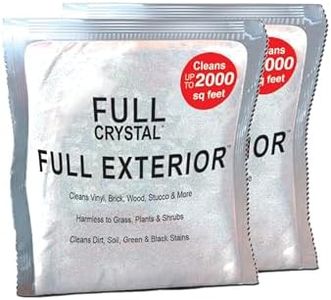
Buying Guide for the Best Outdoor Furniture Cleaners
Choosing the right cleaner for your outdoor furniture can keep your patio, garden, or balcony pieces looking fresh and extend their lifespan. Outdoor furniture faces harsh weather, dust, pollen, and stains that can be tough to remove. The key is to match the cleaner to your furniture’s material and typical messes, ensuring you get the best results without causing damage. By understanding the essential features of outdoor furniture cleaners, you can select the most effective one for your specific needs.Material CompatibilityMaterial compatibility refers to whether the cleaner is safe to use on the type of furniture you have, like wood, metal, plastic, wicker, or fabric. This is important because using the wrong cleaner can damage your furniture or reduce its life. Cleaners are usually labeled for specific materials, such as 'safe for wood' or 'for plastic surfaces.' If unsure, pick a multi-surface cleaner but always check the label. Your choice should match the most delicate material in your furniture set—if you have both plastic and fabric, picking something gentle for fabrics (the more sensitive material) is a safe start.
Type of Cleaning ActionThe cleaning action describes how the cleaner works—some are heavy-duty degreasers, some are mild soap-based, while others include mildew or mold removers. Heavy-duty cleaners work well for stubborn grime or if your furniture sits out all seasons, but may be too harsh on delicate surfaces. Milder cleaners suit regular maintenance and sensitive finishes. Mold and mildew removers are great if your area is damp. Pick the action based on how dirty your furniture gets: occasional light dirt needs a gentler solution, while deep-seated stains or molds call for specialized or stronger cleaners.
Application MethodApplication method is about how you use the cleaner, such as sprays, foams, concentrates, or wipes. Sprays are convenient for large surfaces and routine cleaning. Foams can stick better to vertical surfaces. Concentrates are mixed with water and can be cost-effective for big areas, but need careful dilution. Wipes are handy for quick spot cleaning or smaller pieces. Choose the method that fits your furniture size, how often you plan to clean, and how much effort you wish to spend. For quick maintenance, wipes or sprays are great. If you have lots to clean or live in a rainy region, concentrates might be better.
Residue and Rinse RequirementSome cleaners leave behind a residue that needs rinsing with water, while others are no-rinse formulas that simply wipe off. Residue can attract more dirt or cause the surface to feel sticky, so it's best to check if you have access to a hose or plenty of water. For balconies or where rinsing is hard, a no-rinse cleaner is ideal. If you have easy outdoor access to a water source and want a powerful clean, a rinse-required option could work.
Safety and Eco-FriendlinessThis refers to whether the cleaner contains harsh chemicals, strong scents, or is safe for pets, kids, plants, and the environment. Biodegradable and non-toxic formulas are increasingly popular because they don't harm your garden or pose health risks. For families, homes with pets, or gardens near food crops, prioritize a plant-safe and non-toxic cleaner. If you’re not worried about these factors and want maximum strength, traditional cleaners might suit, but always read and follow the safety instructions.