10 Best Outdoor Rat Poisons
From leading brands and best sellers available on the web.By clicking on a link to a third party's website, log data is shared with that third party.
Buying Guide for the Best Outdoor Rat Poisons
Choosing the right outdoor rat poison is important for effectively controlling rat populations while minimizing risks to pets, children, and wildlife. The main considerations are how the poison works, how it's applied, how long it lasts, and its overall safety. Before making a decision, consider your specific environment—such as whether you have pets, kids, or local wildlife—and always follow the manufacturer's directions carefully for proper and safe use.Active IngredientThe active ingredient is the chemical in the poison that actually kills the rats. Different ingredients work in various ways, such as anticoagulants (which cause internal bleeding over several days) or neurotoxins (which act more quickly). This spec is important because it determines how fast the poison works, potential safety risks, and whether rats in your area may have developed resistance to certain chemicals. If you are concerned about non-target animals (like pets or wildlife), opt for ingredients that have lower secondary toxicity.
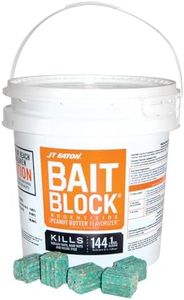
Bait Form (Blocks, Pellets, Liquids, etc.)The bait form refers to the physical shape and texture of the poison—common types include blocks, pellets, powders, and liquids. This matters because different forms are better suited to certain conditions; for example, weather-resistant blocks are ideal for outdoor use, as they are less likely to spoil or wash away. Pellets can be scattered in hard-to-reach places, while liquids work well where there’s limited food competition. Choose a bait form that matches your placement needs and environmental exposure.
Weather ResistanceWeather resistance refers to how well the rat poison holds up against rain, humidity, and temperature changes. Outdoor poisons need to maintain potency and shape when exposed to the elements. Products designed for outdoor use often have coatings or ingredients that prevent them from dissolving or breaking apart. If you live in a wet or variable climate, prioritize highly weather-resistant options to ensure the bait remains effective.
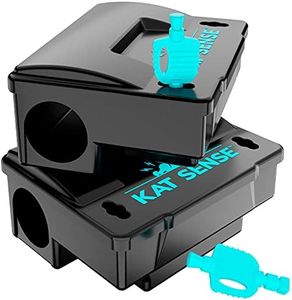
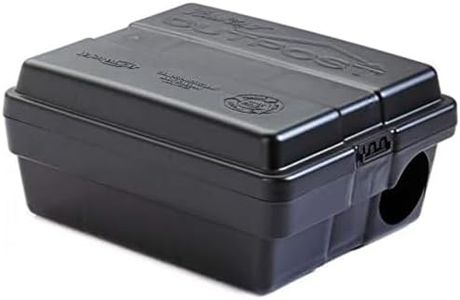
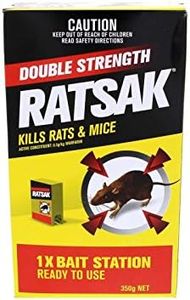
Application MethodThe application method describes how you distribute or install the poison, such as using bait stations, scatter bait, or enclosed trays. This is important for safety and effectiveness: bait stations help protect pets, children, and wildlife by limiting access only to rodents, while loose bait might be accessible to non-target animals. Choose an application method based on your safety concerns and the accessibility of the treatment area.
Secondary Poisoning RiskSecondary poisoning risk is the likelihood that other animals (like pets or predators) can be harmed by eating a poisoned rat, rather than the poison itself. Some poisons have a higher risk of harming non-target animals in this way. If you have pets, livestock, or valuable wildlife nearby, look for products labeled as having reduced secondary poisoning risk, which are generally considered safer in these environments.
Effect SpeedThe effect speed refers to how quickly the poison works after a rat consumes it. Some act within hours, while others may take several days. Quick-action poisons mean you'll see results sooner, but they may carry higher risks if non-target animals are accidentally exposed. Slower-acting poisons allow for rats to return to their burrows before dying, which can reduce the risk of dead rats appearing in open areas. Choose based on how rapidly you want results balanced against your safety or clean-up preferences.