We Use CookiesWe use cookies to enhance the security, performance,
functionality and for analytical and promotional activities. By continuing to browse this site you
are agreeing to our privacy policy
10 Best Outdoor Rat Traps
From leading brands and best sellers available on the web.By clicking on a link to a third party's website, log data is shared with that third party.
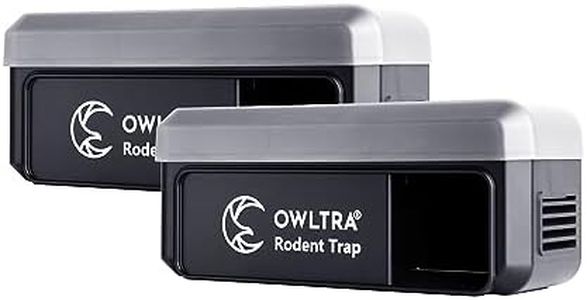
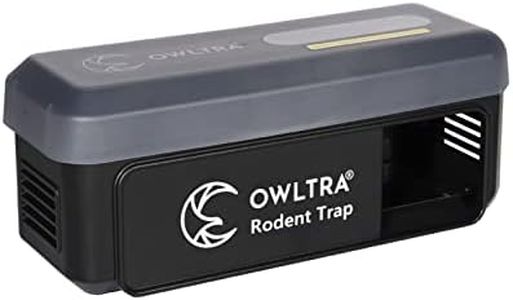
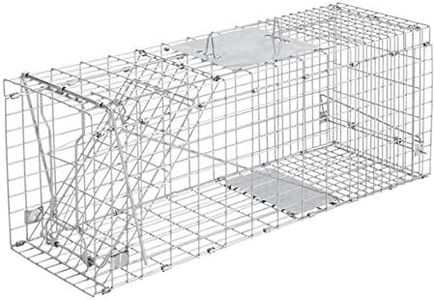
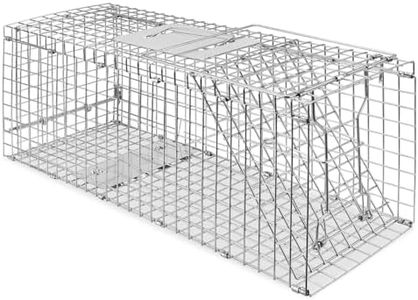
Related Products


Buying Guide for the Best Outdoor Rat Traps
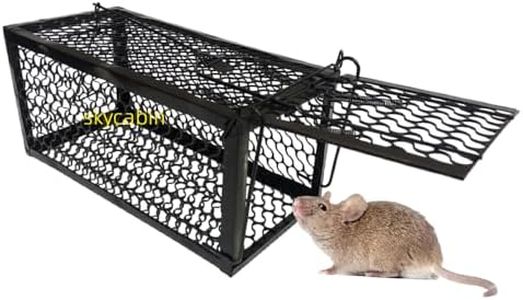
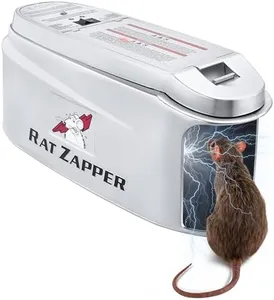
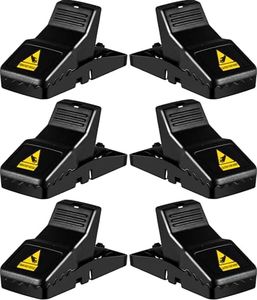
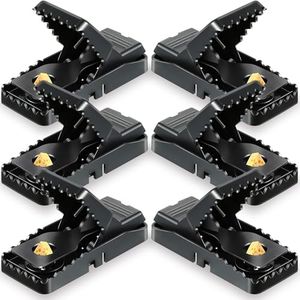
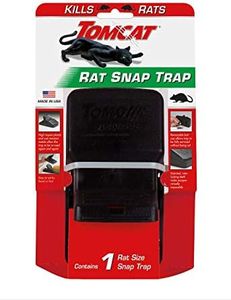
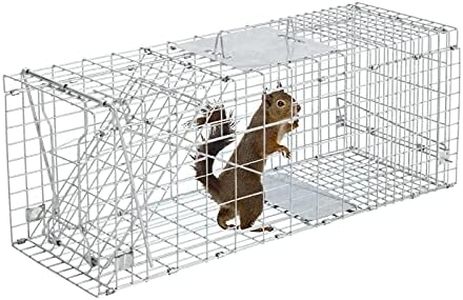
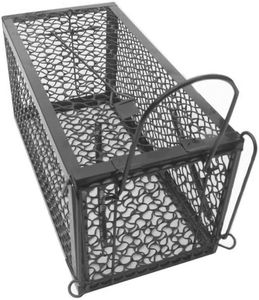
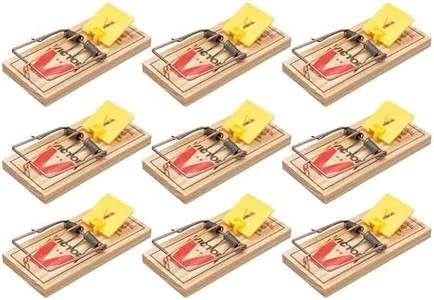
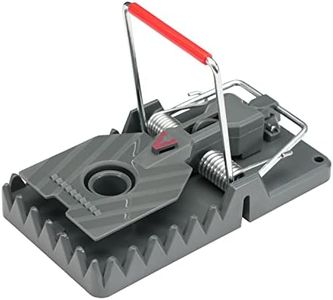
Choosing an outdoor rat trap requires you to consider both the environment and the seriousness of your rat problem. Outdoor spaces expose traps to variable weather and non-target animals, so your decision should blend effectiveness, safety, and ease of use. It helps to think about how often you’ll need to monitor the trap, whether you wish to release or kill the rats, and how visible or discreet you want the trap's placement to be. Taking time to match the trap’s features with your property and pest control philosophy will lead to better results and peace of mind.Trap TypeTrap type tells you how the trap works, and this is probably the most crucial choice you’ll make. There are snap traps, live traps, electronic traps, and glue traps. Snap traps kill rats instantly and are fast-acting, which is good if you want a quick solution, while live traps let you release the rats elsewhere if you prefer not to harm them. Electronic traps kill with an electric shock and are often reusable, and glue traps trap the rat without killing it right away. Pick a snap or electronic trap if you want a no-nonsense, lethal solution; pick live traps for a humane approach, and glue traps only if you don’t have pets or wildlife around and plan to check them frequently.
Weather ResistanceWeather resistance refers to how well the trap can handle rain, sun, and temperature swings outdoors. Basic plastic or wooden traps may break down quickly or stop working if they get wet, while those made with weatherproof coatings or rust-resistant metals work year-round. If you’re setting traps in exposed areas, look for mentions of durability, waterproof construction, or outdoor use on the packaging. If your outdoor space is sheltered, regular traps might suffice.
Size and Entry DesignThe size and entry design control what sort of animals can actually get inside and trigger the trap. Larger traps accommodate bigger rats, while smaller ones are better if your problem is mainly mice or small rodents. Some designs have only one entrance (single-entry) for targeted catching, while others have two entrances so they’re accessible from either side. Consider the typical rodent size in your area, and if you want to minimize catching unintended animals, look for entry designs that are not easily accessible to pets or larger wildlife.
Safety MechanismsSafety mechanisms are especially important if pets, children, or non-target wildlife may come into contact with the traps. Some traps have enclosed designs or special bars to make them safe around curious noses and fingers, while others pose more risk when set in busy yards. If you need more safety, look for traps that specifically advertise child- or pet-proofing features, or plan to place them in protected locations, such as locked boxes or hidden corners.
Ease of Use and CleaningEase of use and cleaning means how simple it is to set, monitor, empty, and maintain the trap. Some designs require handling dead rats or resetting complicated mechanisms, while others feature easy disposal or one-step setting, which is handy for those who prefer to avoid close contact. Removable trays or washable parts make cleaning easier and less unpleasant. If you want hassle-free setup and maintenance, seek out traps that promote tool-free operation and simple cleaning processes.
ReusabilityReusability distinguishes between single-use traps and those you can reset and use many times. Single-use traps can be discarded with the rat inside, making cleanup quicker but sometimes costlier over time, while reusable traps require more cleaning but may save you money and reduce waste. If you expect ongoing problems, a reusable trap might be wiser, but for one-off issues or if you dislike handling traps after use, a disposable version is a good choice.