10 Best Outdoor Sinks
From leading brands and best sellers available on the web.By clicking on a link to a third party's website, log data is shared with that third party.
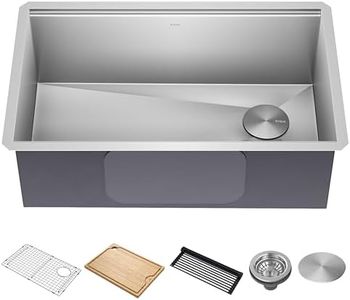
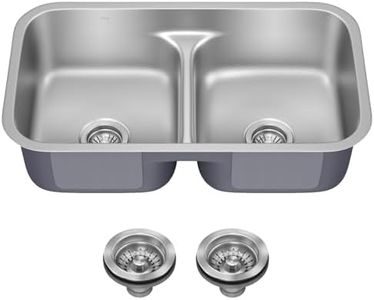
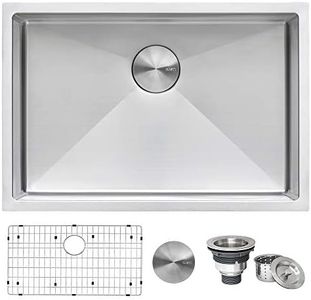
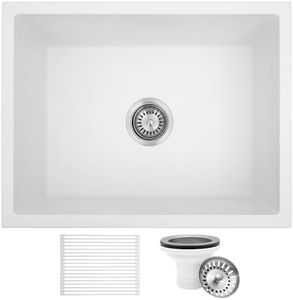
Related Products

Buying Guide for the Best Outdoor Sinks
Choosing an outdoor sink may seem simple, but getting the right one ensures your outdoor tasks—like gardening, cooking, or cleaning—are much more enjoyable and efficient. Begin by thinking about how often you'll use the sink, what you'll be washing, and where you’ll place it. The climate in your area and access to plumbing are also important factors to consider, as they influence maintenance and durability. Understanding the key features is the best way to select a sink that will last and suit your needs well.MaterialThe material of an outdoor sink influences how long it lasts, how much maintenance it requires, and how it matches your outdoor space. Common options include stainless steel, stone, and plastic. Stainless steel resists rust and is popular for modern looks, while stone blends naturally and provides durability but can be very heavy. Plastic options are lightweight and affordable but may not last as long when exposed to sunlight. If you expect heavy use or exposure to harsh weather, choose a sturdy, weather-resistant material to minimize future upkeep.
Sink Size and Bowl DepthThe size and depth of the sink bowl determines what you can wash and how comfortable the experience will be. Small sinks are suitable for light hand-washing or rinsing small vegetables, while deeper and wider bowls make it easier to wash large pots or garden tools. Think about what you plan to clean: if it’s mostly plant pots or barbecue grates, a larger, deeper sink is practical. For simple tasks, a compact sink saves outdoor space and is easier to install.
Mounting StyleMounting style refers to how the sink is installed, and it impacts both appearance and the complexity of setup. Freestanding sinks can be positioned anywhere and often come with their own base, ideal if you want flexibility. Wall-mounted sinks save space and look neater, but require a strong wall and can be harder to move later. Drop-in and undermount sinks need a counter or outdoor kitchen surface. Your choice should align with how permanent you want the setup to be and how you use your outdoor area.
Water Supply and Drainage CompatibilityA sink needs access to water and a way to drain it away. Some outdoor sinks connect directly to your home's plumbing for a permanent solution, while others attach to a garden hose for easier setup. Drainage can also be simple, like directing water into a bucket or the garden, or more complex with underground pipes. The right option depends on how often you'll use the sink, local plumbing regulations, and the ease of connecting to water where you want the sink.
Weather ResistanceWeather resistance is about how well the sink and its fixtures handle being outdoors year-round. This includes withstanding rain, sun exposure, and possibly freezing conditions. Look for rust-proof materials, UV protection, and frost-proof taps if you experience freezing weather. If your winters are harsh, a sink that’s easy to disconnect and store may last longer. Always consider your local climate when assessing this feature.
Extra FeaturesExtra features add convenience and flexibility to outdoor sinks. These can include built-in cutting boards, side shelves, towel bars, or even in-sink sprayers. Some sinks include storage space or hooks for gardening tools. If you perform multiple tasks outside—like food prep and potting plants—these extras can make your workflow smoother. Think about your outdoor routine to decide which, if any, extras would be genuinely helpful for you.