10 Best Outdoor Volleyball
From leading brands and best sellers available on the web.By clicking on a link to a third party's website, log data is shared with that third party.

Related Products

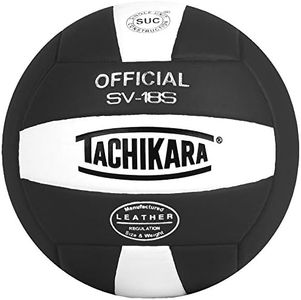


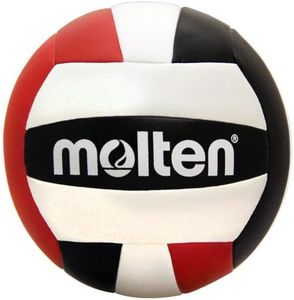
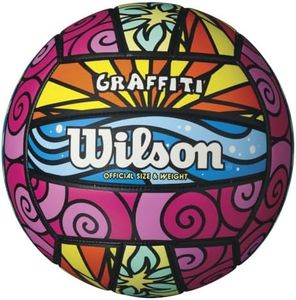
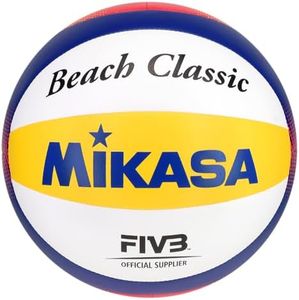
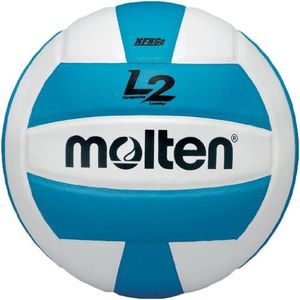

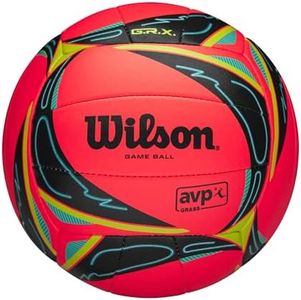
Buying Guide for the Best Outdoor Volleyball
When choosing an outdoor volleyball, it’s important to think about the places you’ll play, who will join you, and how often you’ll use it. The right volleyball can make your game more enjoyable, last longer, and help everyone play their best. Get to know the main features so you can select a ball that meets your needs, feels good in your hands, and stands up to outdoor conditions.MaterialThis spec refers to what the volleyball is made of, such as synthetic leather, composite leather, or rubber. Material matters because it affects the feel of the ball, how easy it is to control, and its durability outdoors. Synthetic and composite leathers are softer and are often used for more serious play, while rubber is more durable and better for casual or rough surfaces. For frequent, competitive play, choose synthetic or composite; for casual or beach play, rubber is a good pick.
Size and WeightThe official outdoor volleyball size is size 5, with a standard weight. This ensures the game feels natural and consistent. Using the correct size and weight is important for proper technique and comfort, especially if multiple ages or skill levels are involved. Stick to standard size if you’re playing with adults or teens; for younger kids, consider slightly smaller or lighter balls if available.
Water ResistanceOutdoor volleyballs need to be water-resistant because they’re often used in damp, rainy, or beach settings. Water resistance helps the ball remain light and maintain its shape even if it gets wet. If you plan to play in humid locations or at the beach, pick a ball with clear water resistance features; for dry grass or hard courts, standard outdoor balls will usually be enough.
Grip and TextureThis describes how the surface of the volleyball feels to the hands—whether it’s smooth, bumpy, or textured. Grip affects how well you handle the ball, especially when serving or passing. A grippier or more textured surface is better for beginners or younger players who need better control, while advanced players might prefer a smoother feel for quick movements.
Stitching and Panel ConstructionThis refers to how the volleyball panels are connected—either stitched or glued, and how many panels there are. This influences how durable the ball is and how consistent it feels when you hit it. Hand-stitched balls tend to be more resilient for rough surfaces, while machine-stitched or glued options can be good for lighter use. For serious outdoor play, hand-stitched or high-quality bonded panels are best.
VisibilityVolleyballs often come in bright colors or with special patterns. Visibility is important so players can easily keep track of the ball in sunlight or on busy outdoor courts. Pick a ball with bright, high-contrast colors if you often play outside in daylight, or in locations with variable lighting.