10 Best Oven Bake Clay
From leading brands and best sellers available on the web.By clicking on a link to a third party's website, log data is shared with that third party.
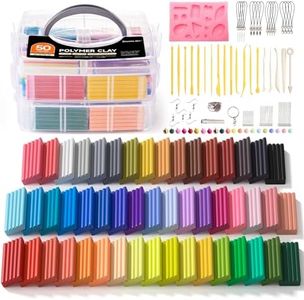
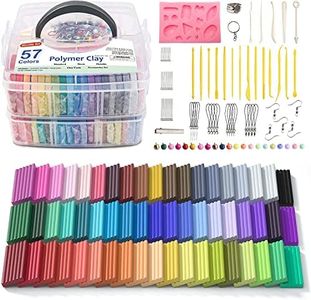
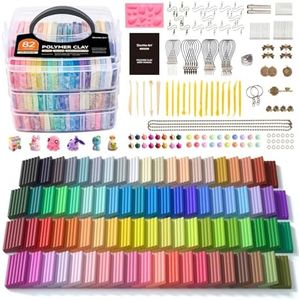
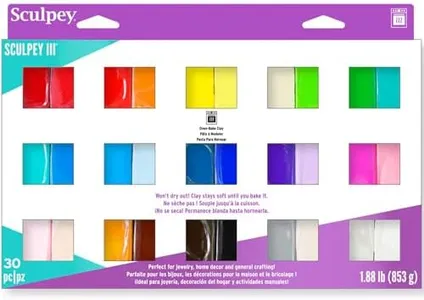
Related Products
Up to 44% off
Buying Guide for the Best Oven Bake Clay
Choosing the right oven-bake clay can make a big difference in your crafting experience, whether you're making jewelry, figurines, or decorative items. The ideal clay should match your project needs in terms of texture, strength, ease of use, and finished appearance. By understanding how each characteristic can affect your work, you’ll be able to select a clay that matches your skills and the results you want to achieve.Texture and FirmnessTexture and firmness refer to how soft or hard the clay feels when you handle it. This is important because softer clays are easier to shape and condition, making them great for beginners or intricate work, while firmer clays hold their shape better and are less likely to lose detail during sculpting and baking. Softer clays are ideal for kids or quick projects, medium firmness is a versatile choice suitable for many uses, and extra-firm clays are preferred for detailed sculptures and advanced projects. Consider what level of detail or structural strength you need for your project to decide on the appropriate texture.
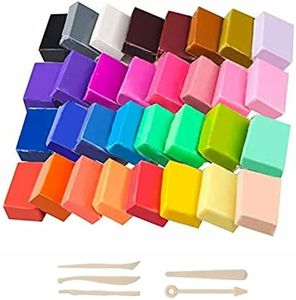
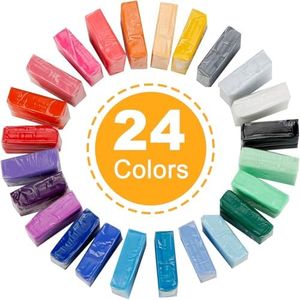
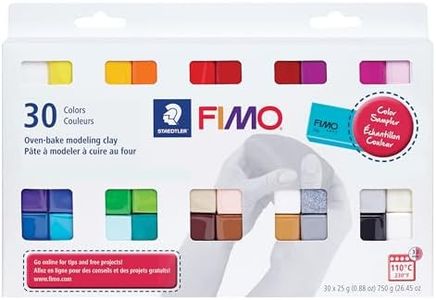
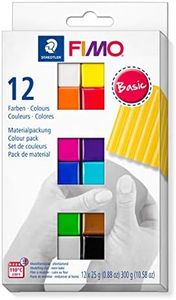
Color RangeOven-bake clays come in a variety of colors, which can influence whether you need to paint your finished piece or not. Having more color options can save time and expand your creative possibilities. Some clays are available in individual colors, while others might offer multipacks for more variety. If you plan to work on colorful or patterned projects, a wide color range is very useful, whereas if you intend to paint or glaze after baking, even a basic color may suffice.
Bake Temperature and TimeEach oven-bake clay has recommended baking temperatures and times, usually listed on its packaging. This is crucial to prevent burning or underbaking your project. Clays can range from lower to higher bake temperatures, usually between 110°C to 130°C (230°F to 266°F), with baking times from 10 to 30 minutes per 1/4 inch thickness. Projects that are thin or delicate benefit from clays with shorter, lower-temperature bake requirements, while sturdier or larger pieces may handle higher baking settings. Make sure your home oven can accurately produce the recommended settings for your chosen clay.
Strength and Durability After BakingOnce cured, some clays become more flexible and durable, while others may stay rigid and brittle. This matters if you are making wearable items like jewelry that might bend or drop, or decorative pieces that need resilience. Flexible clays that bend slightly without snapping are great for jewelry and small toys, whereas rigid clays may be more appropriate for display sculptures. Think about how you’ll use your finished piece when deciding the importance of strength and flexibility.
Ease of Sanding and PaintingSome oven-bake clays are easy to sand, carve, or paint after baking, which allows you to add fine details or smooth out imperfections. This is important if you plan to finish your project with extra touches post-baking. If you want a smooth, flawless result or are likely to change the color or add intricate designs, choose a clay known for its paintability and ease of post-bake finishing. If not, this may be less relevant for you.
Non-Toxic and Safety CertificationsSince oven-bake clay is often used by children and hobbyists, it's important to check for non-toxic labels and safety certifications. This ensures safe handling and peace of mind, especially for family projects or pieces that might come in contact with skin. Pick products clearly marked as non-toxic and suitable for your intended audience, particularly if kids or pets are involved.