10 Best Oven Safe Pots And Pans
From leading brands and best sellers available on the web.By clicking on a link to a third party's website, log data is shared with that third party.
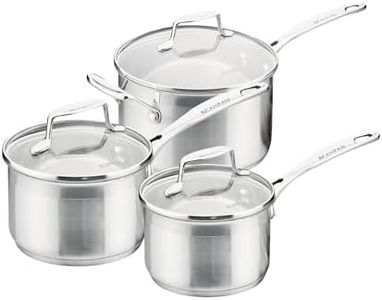
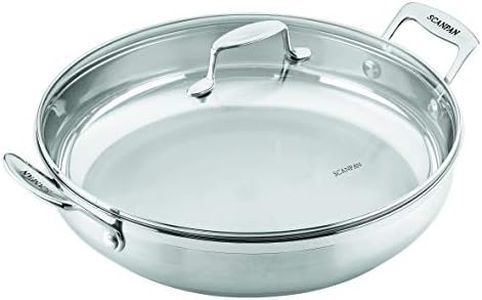
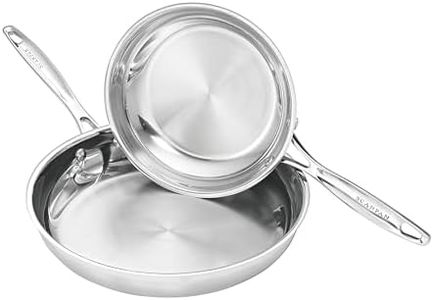
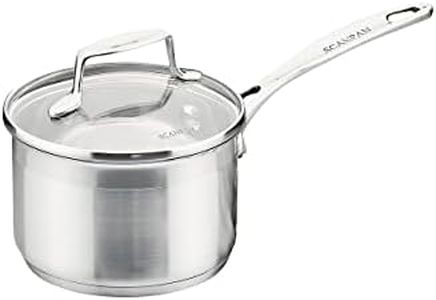
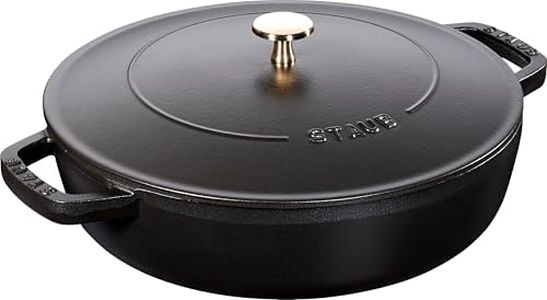
Related Products
Up to 63% off
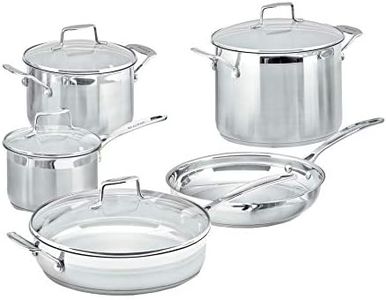

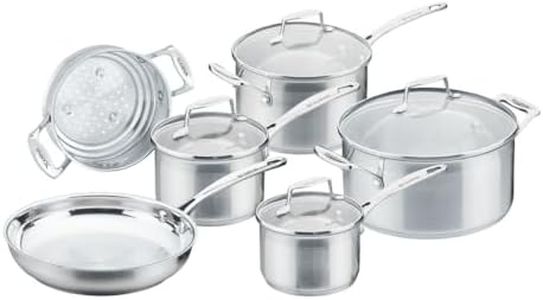

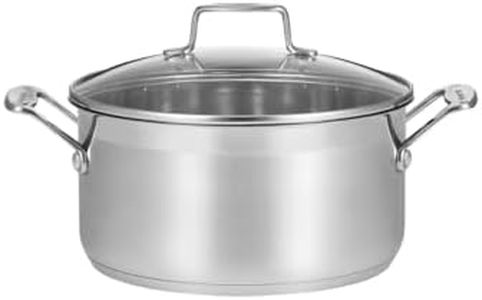


Buying Guide for the Best Oven Safe Pots And Pans
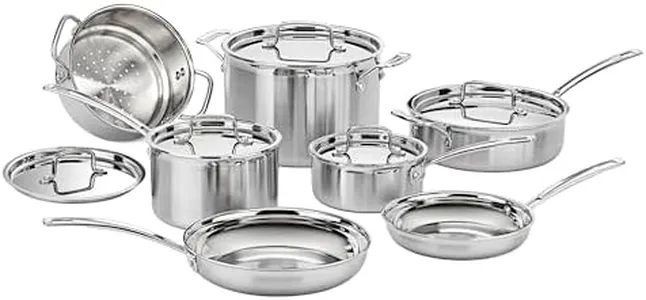
Choosing oven-safe pots and pans can make your cooking more versatile, as you can start dishes on the stovetop and finish them in the oven or use them for roasting and baking. The key is to focus on materials, handle construction, size, and design, as these all influence how well a piece of cookware will function in both environments. Knowing how and what you cook most often will help you find the right items for your needs.MaterialMaterial refers to what the pot or pan is made from, such as stainless steel, cast iron, or aluminum. This is important because different materials react differently to heat and affect how evenly the cookware performs. Cast iron and stainless steel are often chosen for their durability and ability to withstand high temperatures, making them excellent for oven use. When considering materials, think about your cooking habits: If you need excellent heat retention for slow-cooking or baking, cast iron might be your best bet. For versatility and lighter weight, stainless steel may be more suitable.
Oven-Safe Temperature RatingThe oven-safe temperature rating tells you how hot the pot or pan can safely get in the oven. This is vital because handles or lids made from certain materials might only tolerate lower temperatures. Typically, oven-safe ratings range from around 350°F to over 500°F. If you mostly reheat or finish dishes in the oven, a lower rating may suffice, but for broiling or baking at higher temperatures, you'd want cookware rated for the highest heats.
Handle ConstructionHandle construction concerns what the handles are made of and how they're attached. This is crucial because handles made from plastic or wood will generally not be oven-safe at higher temperatures, while metal handles are. Riveted or welded handles tend to be sturdier and less likely to fail under heat. If you often use the oven, choose pots and pans with solid metal handles, ideally without plastic or rubber grips, as these can melt or degrade.
Lid MaterialThe lid material refers to what covers your pot or pan, and it can affect overall oven safety. Glass lids usually have lower heat tolerance, while metal lids can withstand more. If you regularly need to cover food in the oven, select a pot or pan with a metal lid or a glass lid rated for oven use, making sure the temperature rating matches the cookware itself.
Size and ShapeSize and shape determine what you can cook and how efficiently space is used in your oven. Round and wide pans are better for roasting and shallow baking, while deeper, narrower ones are ideal for stews and braises. Consider what recipes you most often prepare and ensure the cookware fits comfortably in your oven to avoid crowding or uneven cooking.
Non-Stick CoatingsSome oven-safe pans come with non-stick coatings. These are great for easy food release and simple cleaning, but not all non-stick coatings can withstand high oven temperatures. Always check the manufacturer's specifications for the maximum oven temperature. If you're planning on baking or roasting at higher temperatures, opt for pans with coatings specifically labeled as high-heat safe or consider uncoated options for maximum durability.