We Use CookiesWe use cookies to enhance the security, performance,
functionality and for analytical and promotional activities. By continuing to browse this site you
are agreeing to our privacy policy
10 Best Packing Tape
From leading brands and best sellers available on the web.By clicking on a link to a third party's website, log data is shared with that third party.
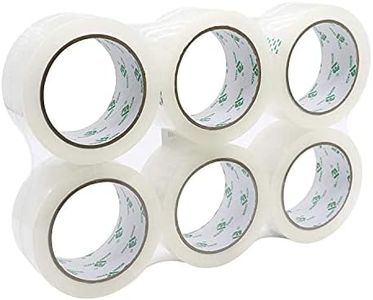
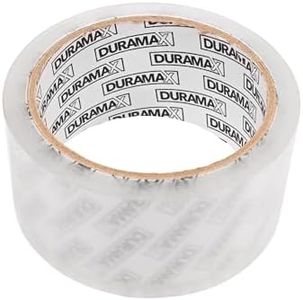
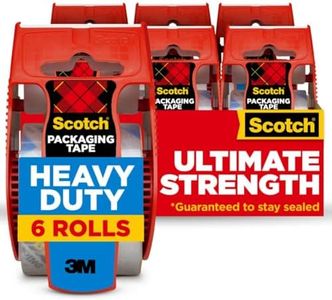
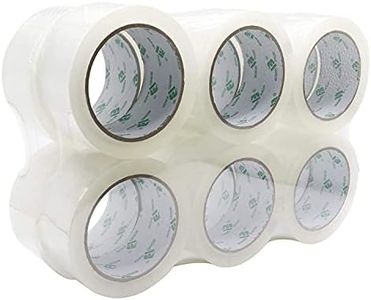
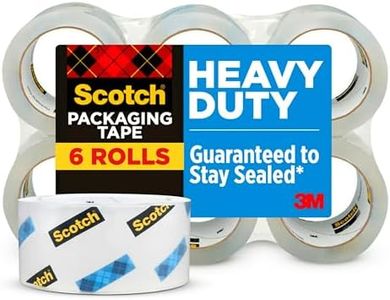
Related Products
Up to 10% off
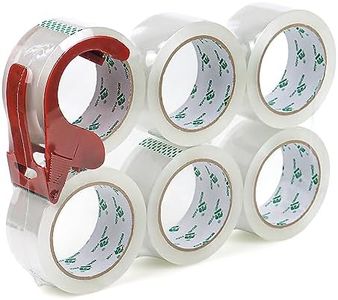
![36 Rolls Clear Packaging Sticky Packing Tape Thickness 45 Micron [48mm x 75 metres]](https://images-proxy.bestreviews.guide/mdC0L0BBynr6mvIKd2Vutnbjwr8=/0x300/https://m.media-amazon.com/images/I/41HpuPD0ksL._AC_CX679_.jpg)
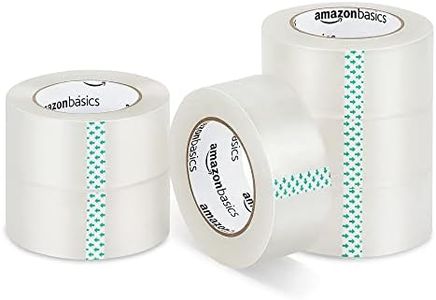
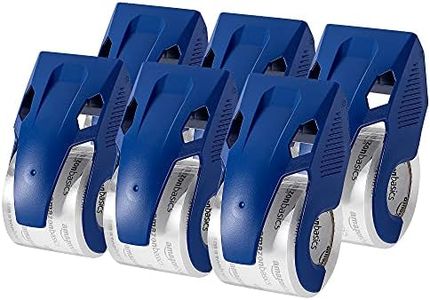
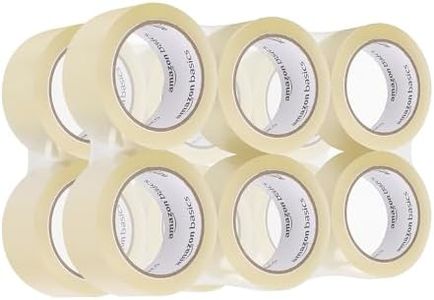
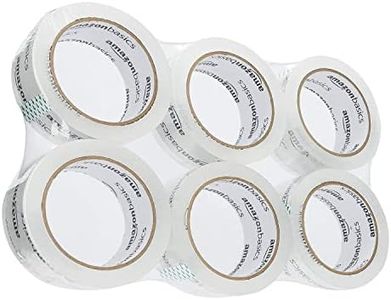
Buying Guide for the Best Packing Tape
Choosing the right packing tape can make your packing jobs much easier and more secure, whether you're moving house, shipping packages, or storing items. The key is to match the tape's qualities to your intended use. Consider what you'll be taping (light or heavy boxes, rough or smooth surfaces), the environment (hot, cold, humid, dusty), and how long you need things to stay sealed. Focusing on the tape's materials, adhesive strength, width, thickness, and special features ensures your boxes stay closed and your items are protected.MaterialPacking tape typically comes in plastic (usually polypropylene or PVC) or paper forms. Plastic tapes are much more common, offering strong resistance to tears and moisture, and are generally suitable for most shipping and storage situations. Paper tape, sometimes called 'kraft tape,' is environmentally friendly and can be written on easily but is less resistant to water. When deciding, think about whether you need extra toughness (plastic) or want something recyclable and easy to label (paper).
Adhesive TypeThe adhesive is what keeps your tape stuck to surfaces. Solvent-based adhesives are strong and work well in a variety of environments, including cold or damp settings. Acrylic adhesives are good for general-purpose use and hold up over time, often used for long-term storage. Hot melt adhesives stick quickly but may not hold as well during extreme conditions. Think about your storage and shipping needs: for mail and moving boxes, most tapes will work, but for long term or harsh environments, focus on acrylic or solvent-based types.
WidthPacking tape comes in different widths, with the most common being around 2 inches. Wider tape (over 2 inches) covers more surface area, making it better for heavier boxes or high-volume applications. Narrower tape is suited for small, lightweight packages or for those who need more precision. Choose wider tape if you're sealing big or heavy boxes to ensure a strong hold, and narrower tape for lighter or smaller items.
ThicknessThe thickness of packing tape is measured in mils (thousandths of an inch), ranging from about 1.5 mils for light-duty tapes up to 3 mils or more for heavy-duty types. Thicker tape is stronger and less likely to tear or break, making it good for heavy or valuable items. Thinner tape is best for everyday, light packing jobs. Select thicker tape for moving or shipping heavy boxes and thinner tape for lightweight, everyday use.
Tensile StrengthTensile strength refers to how much stress the tape can handle before breaking. It’s measured in pounds per inch (lb/in). Higher tensile strength tapes are tougher and hold heavier boxes closed, while lower tensile strength tapes suit lighter loads. If you’re packing heavy or overfilled boxes, look for higher tensile strength ratings; for normal mail or light moving, standard strength is enough.
Special FeaturesSome tapes come with extra features like being easy to tear by hand, UV resistant, printed warnings, or tamper-evident. Hand-tearable tapes are great if you don’t want to use a dispenser. UV resistance keeps the tape from degrading if stored in the sun or used outdoors. Printed tapes can act as warnings or labels. Consider if these features would be helpful for your specific need—like choosing tamper-evident tape for valuable shipments, or hand-tearable tape for convenience.