We Use CookiesWe use cookies to enhance the security, performance,
functionality and for analytical and promotional activities. By continuing to browse this site you
are agreeing to our privacy policy
10 Best Paint Sprayers For Cabinets
From leading brands and best sellers available on the web.By clicking on a link to a third party's website, log data is shared with that third party.

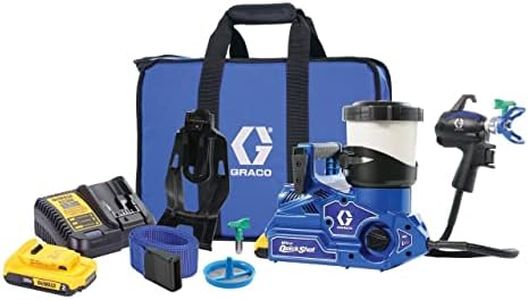
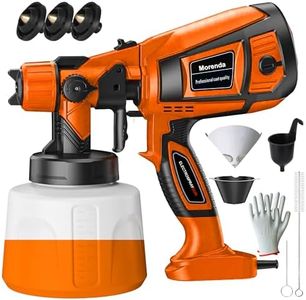
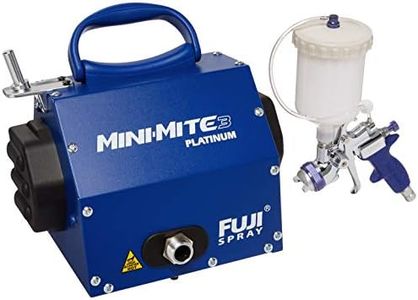
Related Products



Buying Guide for the Best Paint Sprayers For Cabinets
Choosing the right paint sprayer for cabinets can make your painting job faster, smoother, and more professional-looking. Since cabinets usually have smaller, detailed surfaces and may require a finer finish, it’s important to consider the sprayer’s precision, ease of use, and suitability for the type of paint you’ll be using. Think about the size of your workspace, whether it’s indoors, and how much control you want over the paint flow. Always prioritize ease of cleaning, as meticulous prep and clean-up are crucial for getting the best results with cabinets.Sprayer Type (Airless, HVLP, or Compressed Air)Sprayer type determines how paint is atomized and delivered to the surface. Airless sprayers push paint at high pressure, covering large areas quickly with thicker coats. HVLP (High Volume, Low Pressure) sprayers use a high volume of air to create a soft, fine spray, making them better for detail and reducing overspray — ideal for cabinets. Compressed air sprayers require an air compressor and can offer very fine results, but they are generally more complex and less portable. For most users refinishing cabinets, HVLP is favored for its control and finish quality, but smaller projects or professional environments may benefit from other types. Think about your experience level, the amount of detail required, and the size of your cabinet project to choose the sprayer type that matches your needs.
Nozzle/Tip SizeThe nozzle or tip size regulates how much paint is sprayed and in what pattern. Smaller tips deliver finer, more controlled spray fans, which are essential for detailed surfaces and edges such as cabinet doors. Larger tips are meant for thicker paints or bigger, flat surfaces and can be too much for intricate cabinetry, leading to runs or excessive paint buildup. If you want smooth coverage with minimal overspray, choose a sprayer that either comes with or allows you to fit smaller tips, especially when using thinner paints or stains. Consider what kind of paints you intend to use and if you might switch between finishes, as this also affects the optimal tip size.
Adjustability (Spray Pattern and Flow Control)Adjustability refers to the sprayer’s ability to modify spray pattern (horizontal, vertical, or circular) and paint flow. This flexibility is important for cabinetry, as different parts (flat surfaces, edges, corners) benefit from different patterns and amounts of paint. Being able to quickly change your pattern or reduce the flow prevents over-applying paint and ensures a cleaner finish. If you likely need to spray tricky areas or various shapes on your cabinets, look for a sprayer that offers easy, tool-free adjustments for both pattern and flow.
Ease of CleaningSince you’ll be switching paint colors or cleaning up after each use, a sprayer that’s quick and easy to disassemble and clean will save you time and frustration. Some sprayers have simple designs with fewer parts, making rinse-out fast, while others include features like self-cleaning systems or hoses that connect to the sink. For cabinets, where paint changes and finishing quality matter, the ability to thoroughly clean your sprayer will keep it in top shape and prevent unwanted color mixing or clogs. If you don’t want to spend ages cleaning, prioritize models noted for straightforward maintenance.
Portability and WeightPortability and weight refer to how easy the sprayer is to move around and handle during use. Lightweight, handheld models are suitable for smaller cabinet jobs and allow better control for precision work, but may have smaller paint containers and require frequent refilling. Heavier or stationary units perform well for larger, longer projects but can be less convenient in tight cabinet spaces. If your cabinets are in place or you’re working in a confined kitchen, a lightweight or handheld sprayer can help you reach all areas without too much fatigue.
Paint CompatibilityDifferent sprayers work best with specific paint types — some handle only thin materials like stains or enamels, while others are powerful enough for thicker latex paints. Using the wrong sprayer with your chosen paint can result in clogs, poor finishes, or extra thinning steps. Think about the types of paint or finish you plan to use on your cabinets, such as water-based paints, oil-based paints, or lacquers, and ensure the sprayer you choose is built to handle them for best results.