10 Best Pans To Sear Steak
From leading brands and best sellers available on the web.By clicking on a link to a third party's website, log data is shared with that third party.
#1
Winner

Related Products
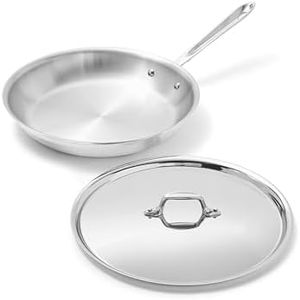
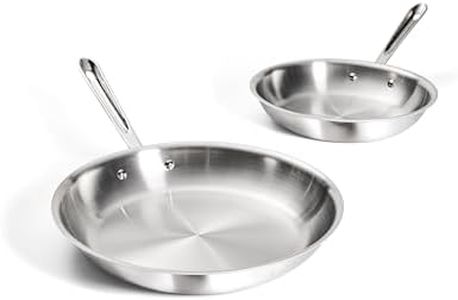
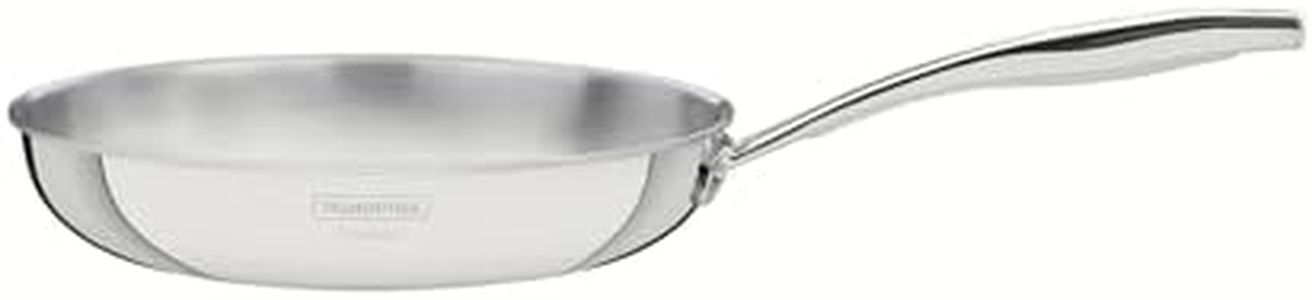
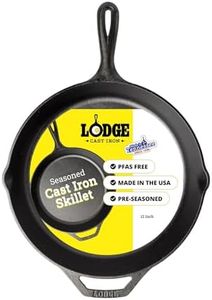
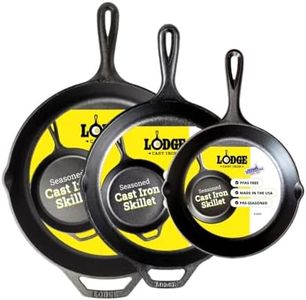
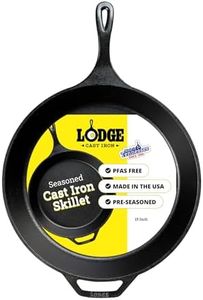
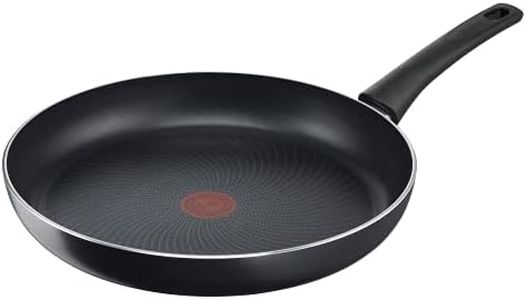
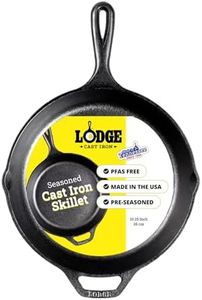
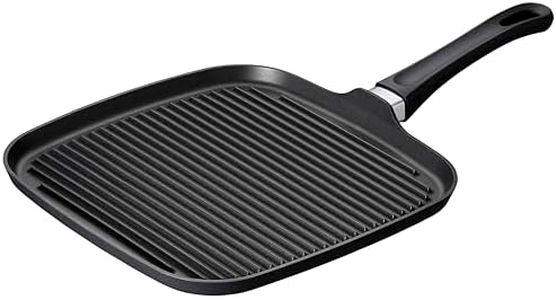
Buying Guide for the Best Pans To Sear Steak
Searing steak at home is all about getting a deep, flavorful crust and preserving the juicy inside. Not every pan can deliver those results because the right cookware ensures even heating and reaches high enough temperatures to form that perfect sear. When picking a pan to sear steak, it’s important to pay attention to a few key specifications that impact heat retention, durability, and ease of use. Knowing how each spec affects your cooking will help you select the best match for your kitchen style, so you’ll get that steakhouse-level crust every time.MaterialThe material of a pan is crucial because it determines how well the pan can get hot and stay hot, which is essential for a good sear. Cast iron holds and distributes heat very well, making it a classic choice for searing, though it's heavy and needs seasoning. Stainless steel heats up quickly and can create a great sear, but it doesn’t retain heat as long as cast iron. Carbon steel is similar to cast iron in performance but is often lighter and easier to handle. For searing, you'll want a pan made of material that can get very hot and maintain that heat, so think about how comfortable you are with caring for cast iron or if a lighter pan fits your daily habits better.
Surface FinishThe surface finish impacts how food interacts with the pan. Uncoated surfaces like plain cast iron or stainless steel are the best for building a thick, crispy sear, as they allow food to stick slightly and create more browning. Nonstick coatings, while easy to clean, are less effective for searing because they prevent that necessary sticking and typically can’t be used at the high temperatures needed to properly sear steak. If maximum crust is your goal, steer toward pans without nonstick coatings; choose nonstick only if ease of cleaning and lower-temperature cooking are priorities.
Thickness and WeightA thick and heavy pan will usually sear better because it doesn't lose heat quickly when you add cold steak, helping you get that perfect crust. Thin pans heat up fast but also cool down quickly and can cause uneven cooking or hot spots. For home cooks who plan to sear steak regularly, opting for a medium to heavy pan pays off in more reliable results, although those sensitive to weight may prefer mid-weight options for easier handling.
SizeSize matters because crowding the pan leads to steaming instead of searing, which prevents a good crust. For a single large steak, an 8 to 10-inch pan is typically enough; for cooking two, a 12-inch pan is better. Consider how many steaks you usually cook at once and the size of your stovetop burners, so your chosen pan is large enough to avoid crowding yet fits your cooking space.
Oven-Safe TemperatureOven safety is important if you like to finish your steak in the oven after searing for an even cook or thicker cuts. Not all pans can tolerate high oven temperatures—some have plastic handles or nonstick coatings that limit their use in hot ovens. If finishing steaks in the oven is part of your cooking process, make sure the pan can handle at least 400°F (200°C) or higher; otherwise, focus on stovetop performance alone.
Ease of MaintenanceCaring for the pan affects how often you’ll want to use it. Cast iron and carbon steel need regular seasoning to keep their surface nonstick and rust-free, which requires a bit more effort. Stainless steel is easier to maintain and doesn’t require seasoning, but might need extra scrubbing to get clean. If you don’t want to spend time on upkeep, stainless steel might be more appealing, whereas those who enjoy a ritual might prefer cast iron or carbon steel.