10 Best Patio Flooring Options
From leading brands and best sellers available on the web.By clicking on a link to a third party's website, log data is shared with that third party.


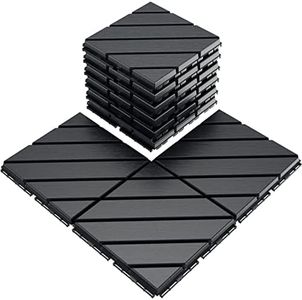
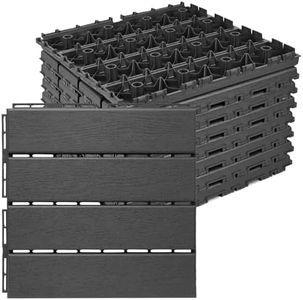
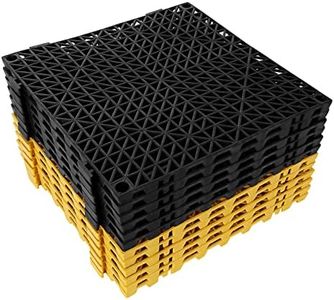
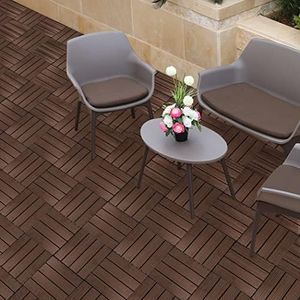
Buying Guide for the Best Patio Flooring Options
Choosing the right patio flooring is about balancing looks, durability, maintenance, and comfort. Your perfect choice depends on how you plan to use the patio, your climate, and your desired style. Start by thinking about whether your patio will be used for dining, relaxing, entertaining, or just as a path or accent. Consider factors such as slip resistance, heat retention, and ease of cleaning, as well as compatibility with your home's design. This will help you focus on the materials and qualities that best align with your needs.Material TypeThe material of your patio floor is one of the most important choices. Common materials include concrete, natural stone, brick, tile, wood, and composite decking. Each material varies in appearance, durability, texture and feel underfoot. Concrete is solid, versatile and easy to clean, but can get hot or crack over time. Natural stone gives a premium, unique look but usually requires sealing and costs more. Brick is classic and easy to repair but may need regular maintenance. Tiles are stylish and easy to clean but can become slippery when wet. Wood and composites are comfortable and warm-looking, but wood requires more upkeep against weather. Choose your material based on the combination of look, durability, comfort, and maintenance that suits your intended patio use and local climate.
Slip ResistanceSlip resistance measures how safe the surface is when wet or dirty. Some materials and finishes are naturally rough, while others are smooth and slippery, especially after rain or near a pool. For safety, especially in areas that may be exposed to water, choosing a material or finish with higher slip resistance is vital. Look for textured surfaces or specially manufactured 'non-slip' finishes. If you have children, elderly people, or a pool nearby, prioritize this spec highly. For dry, covered patios, you might have more flexibility, but safety should still be a consideration.
Weather ResistanceWeather resistance is about how well the patio floor stands up to sun, rain, snow, and temperature changes. Some patio surfaces like stone, porcelain tiles, or sealed concrete withstand the elements better than untreated wood or some unglazed tiles, which might crack, warp, or fade. If you live in an area with harsh winters or lots of sunlight, prioritize materials rated for outdoor and all-weather use. For mostly mild climates, weather resistance may not need to be top of your list, but always consider how outdoor exposure will affect your chosen material.
Maintenance NeedsMaintenance refers to how much ongoing work is required to keep your patio flooring looking good and performing well. Some surfaces, such as composite decking or sealed concrete, are low-maintenance, only requiring occasional cleaning. Others, like natural wood, may need annual sealing, staining, or protection from pests, while certain stones may require regular sealing to prevent staining and discoloration. Think about how much time you want to invest in upkeep—choose a low-maintenance option if you prefer less work, or a higher-maintenance one if you're willing to regularly care for your patio to achieve a specific look.
Comfort and TemperatureComfort and temperature concern how the patio flooring feels under bare feet and how hot or cold it gets during different seasons. Some surfaces, particularly darker stones and concrete, can get very hot in the sun, making them uncomfortable to walk on, while others like wood, composite, or light-colored tiles tend to stay cooler. If you plan to use the patio barefoot or have kids playing, comfort is especially important. Evaluate where the sun falls on your patio and how you plan to use the space to choose a surface that's pleasant year-round.
Aesthetic VersatilityAesthetic versatility describes how well the flooring option can match your patio’s style and blend with your home's design. Some materials, like tiles and composites, come in a wide array of colors, shapes, and patterns, allowing for highly customized looks. Natural stone and brick offer classic appeal, while concrete can be stamped or colored for added style. Think about the overall look you want—from modern and sleek to rustic or traditional—and pick a flooring that complements your vision, harmonizing with existing landscaping and home architecture.