We Use CookiesWe use cookies to enhance the security, performance,
functionality and for analytical and promotional activities. By continuing to browse this site you
are agreeing to our privacy policy
10 Best Personal Weather Station
From leading brands and best sellers available on the web.By clicking on a link to a third party's website, log data is shared with that third party.
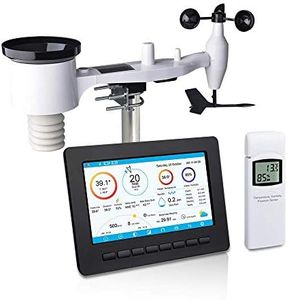
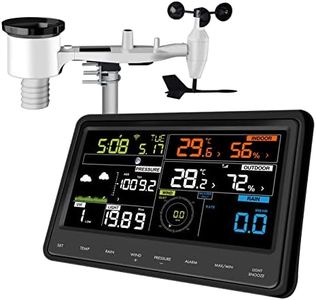
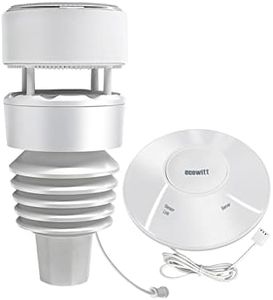
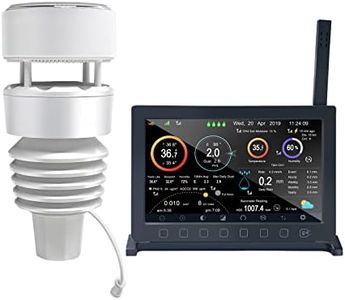
Related Products

Recommended lists


Buying Guide for the Best Personal Weather Station
Choosing a personal weather station for your home or property can help you keep an eye on local climate, plan your day better, or even contribute to your interest in meteorology. When shopping for a weather station, it's helpful to think about what features matter most to you, how easy the system is to install and use, and how you want to access your weather data. By understanding a station’s strengths and limitations, you can make sure it matches your needs, whether you want basic temperature data or comprehensive environmental monitoring.Sensor Types and FunctionsThis refers to the environmental conditions the weather station can measure—commonly temperature, humidity, rainfall, wind speed and direction, and sometimes atmospheric pressure, UV index, or even soil moisture. The range of sensors is important because it determines how much weather detail you can observe. If you only need basic temperature and humidity, a simpler station will do; but for gardening, agriculture, or hobbyist meteorology, you might want more sensors. Think about what information will actually help you day-to-day or fits your interests, and choose a station with the matching sensor types.
Data AccuracyData accuracy is how close the readings are to the true environmental conditions. This matters because inaccurate data can mislead you, especially if you’re making plans or decisions based on the information. Accuracy is often listed in the station’s specifications, and more accurate sensors are usually found in higher quality or specialized stations. If you just want a general idea of local weather, basic accuracy may suffice, but for gardening or critical monitoring, look for tighter tolerance values (for example, within 1 degree for temperature).
Connectivity and Data AccessThis describes how you get your weather readings—by looking at a built-in display, connecting to a smartphone or computer, or using cloud services. Connectivity options range from simple standalone displays to Wi-Fi or Bluetooth connections that let you check data remotely or share it online. If you want to view data away from home or use weather data with smart home systems, look for Internet or app connectivity. For those who just want quick local checks, a basic display is often enough.
Power SourceThe power source can be batteries, solar, mains electricity, or a mix. This matters for both convenience and reliability. Battery or solar powered stations are often easier to install (no wires needed) and are good for remote outdoor locations, but may need occasional maintenance. Mains-powered options need to be placed near outlets but might be more stable long-term, especially if you never want to worry about replacing batteries. Think about where you plan to install the sensor and how often you’re willing to maintain it.
Range and PlacementRange refers to the maximum distance the outdoor sensors can communicate with the display or base unit. This is important if you have a large property or there are walls and obstacles between your sensors and where you want to read the data. Short-range stations (under 100 feet) are fine for small homes or apartments, while larger yards may need several hundred feet of wireless range. Make sure the reported range fits your actual installation needs, and consider possible signal interference from buildings or trees.
Ease of Installation and MaintenanceA weather station’s complexity will affect how easy it is to set up and maintain. Some units are simple, with few parts and straightforward installation, while others with many sensors and advanced features may take more time or require mounting equipment. Also, consider maintenance like changing batteries or cleaning sensors. If you’re looking for trouble-free use, go for user-friendly systems with clear instructions; more complex setups might suit enthusiasts willing to put in more effort.
Data Logging and HistoryData logging refers to the ability of the weather station to record and store past readings, sometimes over days, weeks, or even years. This is valuable if you want to track trends, compare seasons, or analyze unusual weather over time. Some stations save data internally, while others use app-based or cloud storage. Decide if reviewing long-term patterns is important for your purposes, such as gardening, research, or local climate study, and look for stations that offer the appropriate amount of history storage.