7 Best Personalized Cutting Boards
From leading brands and best sellers available on the web.By clicking on a link to a third party's website, log data is shared with that third party.
Buying Guide for the Best Personalized Cutting Boards
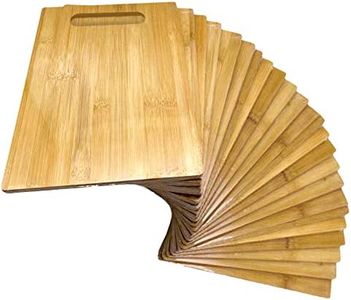
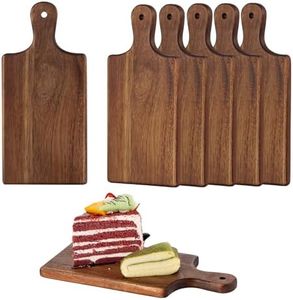
Personalized cutting boards are both practical tools and unique gifts that add a personal touch to any kitchen. When shopping for one, you'll want to consider how the board will be used, how it will look on display, and how effectively it will handle everyday chopping tasks. Key specs like material, size, shape, engraving method, and maintenance requirements all influence the durability, appearance, and functionality of your personalized cutting board. Understanding what each feature brings to the table will help you select the board that best fits your needs, whether it’s for daily food prep, serving, or as a meaningful gift.MaterialMaterial refers to what the cutting board is made from, which is crucial for both function and appearance. The most common choices are wood, bamboo, and plastic. Wood boards (like maple, walnut, or cherry) are durable, gentle on knives, and look elegant, but need regular oiling. Bamboo is eco-friendly and harder than most woods, making it more resistant to scratches, although it can be harsher on knife edges. Plastic boards are easiest to clean and are dishwasher-safe, but may not have the same premium look or feel. If you want a board mainly for display or gifts, wood is usually preferred; for heavy kitchen use, consider how much care and upkeep you’re willing to provide.
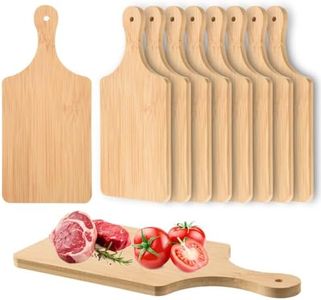
SizeSize describes the length and width of the board, which affects how much food you can prep at once and how easily the board fits in your kitchen or on your counter. Small boards work well for slicing fruits or cheese and are easier to store, while medium boards are ideal for daily meal prep. Large boards give you lots of space for chopping and can double as serving trays, but may be heavy and harder to maneuver. Consider what types of food you typically prepare and how much counter space you have when picking the right size.
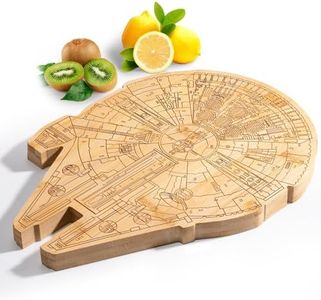
ShapeThe shape of a cutting board can impact its usability and style. Traditional shapes include rectangular and square boards, which provide the most chopping space and are easy to store. Round, oval, or specialty-shaped boards are sometimes chosen for presentation or decorative value. If you want a board mainly for prepping food, stick to basic shapes for practicality; if the board will be used for entertaining or as a gift, a unique shapemight add a special touch.
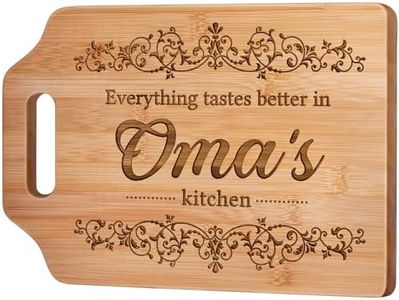
Personalization and Engraving MethodThis spec refers to how the personalization is added to the board, such as laser engraving, etching, or inlay work. Laser engraving is precise and popular for names, dates, or designs, and generally produces a lasting mark. Etching may offer a more subtle look, while inlays use different materials for a colorful effect. Consider whether the engraving is decorative only or in a spot affected by cutting—if you want the message or image to last, make sure it's placed away from the main cutting area or opt for a board with a display side and a cutting side.
Care and MaintenanceCare and maintenance requirements affect how much time you'll spend looking after your cutting board. Wooden and bamboo boards generally need regular oiling to prevent them from cracking, and should not be soaked in water or put in a dishwasher. Plastic boards are dishwasher-safe and need less maintenance but may stain over time. Think about your willingness to perform upkeep and whether you want a board that's mostly for show, daily use, or both—as that will impact which maintenance routine fits your lifestyle best.