9 Best Pet Friendly Roach Killer
From leading brands and best sellers available on the web.By clicking on a link to a third party's website, log data is shared with that third party.
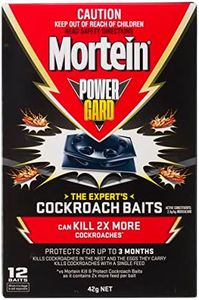
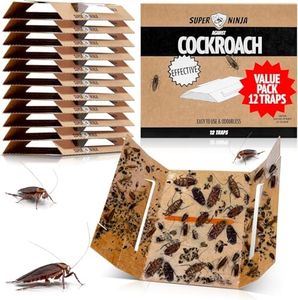
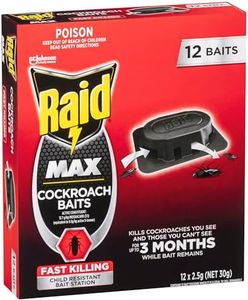
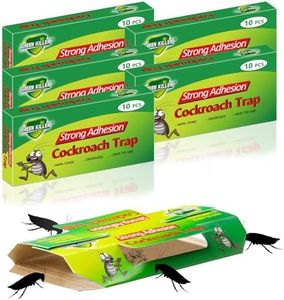
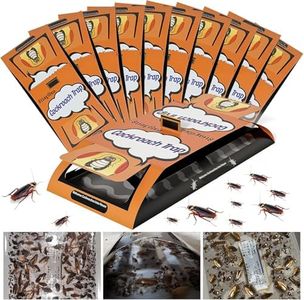
Buying Guide for the Best Pet Friendly Roach Killer
When choosing a pet-friendly roach killer, your priority is to achieve effective pest control while ensuring the safety of your pets. Pets can be more vulnerable to chemicals than humans, so it's important to focus on solutions that eliminate roaches without introducing harmful toxins into your living space. It's also crucial to be aware of how the product needs to be applied, and to follow all safety instructions to prevent accidental exposure to your animals. Understanding the key specs and how they relate to both pest control and pet safety will help you make an informed choice.Active IngredientThe active ingredient in a roach killer is the compound that does the actual work of killing or repelling roaches. This spec is important because some substances can be highly toxic to pets, while others are considered much safer. There are chemical-based actives (like pyrethroids), natural options (such as boric acid or diatomaceous earth), and plant-derived compounds (like essential oils). Chemical actives tend to work quickly but may pose risks to animals, especially if ingested or if pets have allergies. Natural substances may be less potent but generally safer, and some essential oils can be toxic to certain pets (like cats). To pick the right one, consider the types of pets you have and any known sensitivities, and opt for an active ingredient that is specifically labeled as safe for use around your animals.
Application MethodThis refers to how the roach killer is delivered—such as sprays, baits, powders, or traps. The application method matters for both efficacy and pet safety, because products that are easily accessible to pets are more likely to be chewed or licked. Sprays and powders can linger on surfaces or in the air, while baits and traps are often enclosed and less likely to be touched by pets. If your pets are curious or prone to exploring, enclosed bait stations or traps are usually safer choices than loose powders or sprays. For the best fit, think about your home's layout, your pet's habits, and the places where roaches are most active.
Residue DurationResidue duration is how long the product remains effective after it’s been applied. Some options provide a quick kill with minimal residue, while others offer ongoing protection by leaving a layer that kills roaches over time. This spec can impact pet safety—long-lasting residues on floors or surfaces might expose your pets for an extended period. If your pets have free range in treated areas, look for shorter-acting formulas or those that are safe to touch once dry. Choose a product that matches how often and where you’ll need to reapply, keeping your pets’ behaviors in mind.
Odor and SensitivitySome roach killers have strong scents, either from chemicals or natural oils, which could be irritating to pets, especially birds or animals with sensitive respiratory systems. Odor-free or low-scent options can make your home more comfortable for both pets and people. If your animals are sensitive or if you have birds, reptiles, or small mammals, opting for unscented or low-odor products helps reduce the risk of respiratory irritation. Consider this spec carefully if any household members—human or animal—are prone to allergies or sensitivities.
Label Certification and Safety WarningsLook for labels that explicitly state the product is pet-safe or pet-friendly. These certifications mean that the manufacturer has considered animal safety in either formulation or packaging design. Additionally, safety warnings and usage instructions will specify how to use the product safely around pets. Always read these carefully, as some products are only safe if pets are kept away during application and until the product dries or settles. For your peace of mind, choose products with clear pet-related safety information and always follow the instructions closely.