10 Best Pie Irons
From leading brands and best sellers available on the web.By clicking on a link to a third party's website, log data is shared with that third party.
Related Products


Buying Guide for the Best Pie Irons
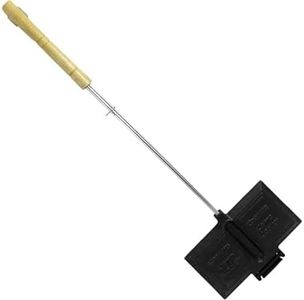
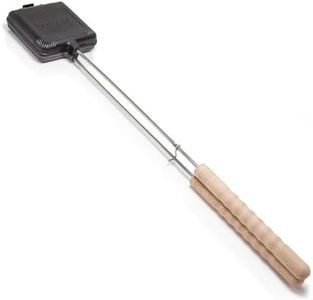
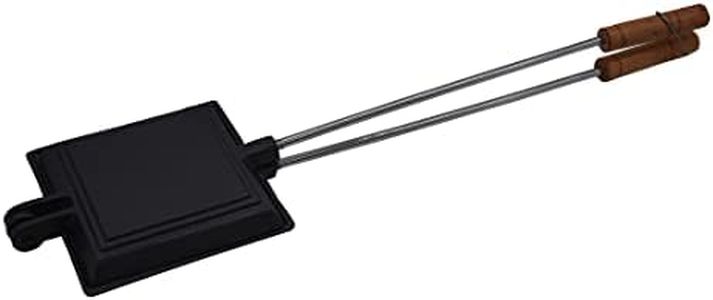
Pie irons, also known as campfire sandwich makers, are a fun and practical addition to any outdoor cooking kit. They allow you to make toasted sandwiches, desserts, and many creative meals over a campfire or barbecue. To pick the best pie iron for you, think about how often you’ll use it, where you’ll be cooking (campfire, grill, home), and the types of foods you want to prepare. Choosing the right features will help you enjoy easier cooking, tastier results, and a safer experience.MaterialMaterial refers to what the pie iron is made from, usually cast iron or aluminum. Cast iron holds heat very well, cooks food evenly, and can last for decades if cared for, but it is heavier and requires seasoning to keep it rust-free. Aluminum is lighter and easier to handle, heats up quickly, and doesn’t need seasoning, but it may not brown foods as well and usually won’t last as long. If you want traditional results and don’t mind extra care, cast iron is the way to go; for lighter packing and easier cleaning, aluminum might suit you better.
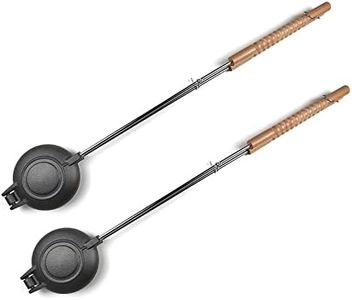
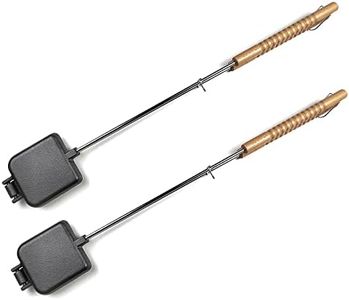
Shape and SizePie irons come in many shapes, with square and round being most common, and a range of sizes that usually fit standard bread slices but can be smaller or larger. The shape determines what kind of food fits best—a round iron is great for pies, while a square one is perfect for sandwiches. Larger irons allow for bigger sandwiches or extra ingredients, but can be heavier and harder to handle. Pick a size and shape based on your usual recipes; if you love thick stuffed sandwiches, a deeper or larger iron is ideal, while smaller ones are lighter to carry and easier for kids.
Handle Length and TypeThe handle length is how far the handle extends from the cooking part, ensuring your hands stay safe from campfire heat. Short handles are easier to pack, but they bring your hands closer to the fire, while longer handles offer more protection but can be harder to store. Removable handles can help with storage. Also consider handle material—wooden handles stay cool, while metal ones might need protection. For frequent campers or family use, a long-handled, heat-resistant pie iron improves safety and comfort; for shorter trips or backpacking, a compact design may be better.
Nonstick CoatingSome pie irons have a nonstick coating to make cleaning easier and help food release cleanly. While this is convenient, nonstick coatings may scratch or wear off over time, especially with metal utensils, and they’re less durable under extreme heat. Cast iron pie irons naturally become more nonstick with seasoning, while aluminum ones may rely more on coatings. If easy cleanup is a priority and you don’t plan on using metal tools or very hot fires, a nonstick option can be helpful. For durability and traditional use, go with plain cast iron and commit to occasional seasoning.
Latching MechanismSome pie irons come with a latch or locking mechanism that holds the two halves together, keeping food securely inside while flipping or rotating. This is especially useful for stuffed or juicy recipes. Irons without a latch may still work fine but require more attention to keep the halves aligned. If you plan to make thick or messy sandwiches, or want to involve kids in cooking, a latch can help avoid spills and make the iron easier to handle over the fire.