10 Best Pillows That Dont Go Flat
From leading brands and best sellers available on the web.By clicking on a link to a third party's website, log data is shared with that third party.
Related Products
Up to 21% off
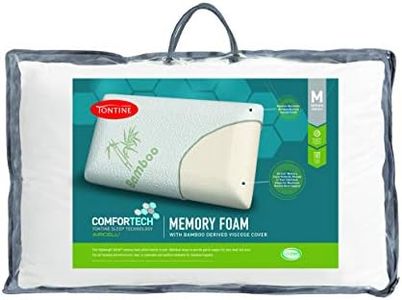
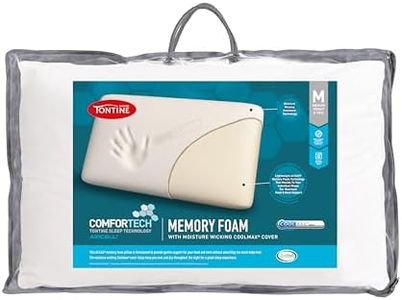
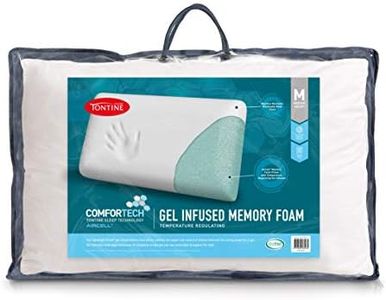
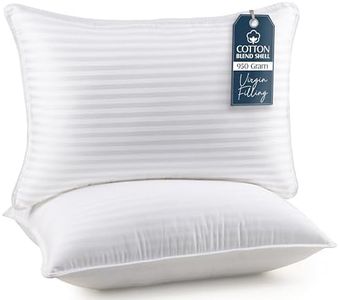
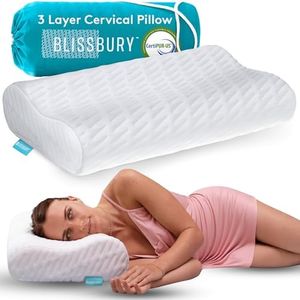
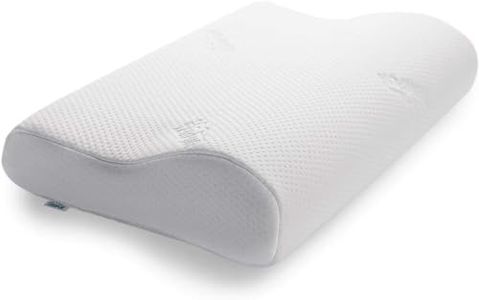


Buying Guide for the Best Pillows That Dont Go Flat
Choosing the right pillow is essential for a good night's sleep. If you're looking for a pillow that doesn't go flat, it's important to understand what properties help a pillow keep its shape and support over time. Your sleeping position, personal comfort preferences, and any health considerations (like neck or back pain) should all guide your decision. Remember that the right pillow offers both comfort and support, so it's not just about lasting longer but also about providing you with restful sleep tailored to your needs.Fill MaterialFill material refers to what the inside of the pillow is made of, and it is a major factor in how well the pillow maintains its shape. Common materials include memory foam, latex, polyester, and down alternative. Memory foam and latex are denser and usually hold their shape much longer, making them great options if you want a pillow that resists going flat. Polyester or down alternatives can come in higher-density options but may still compress more quickly. Think about whether you prefer a cushier, moldable pillow (like down alternative) or a more supportive, firmer feel (like memory foam or latex), and choose your fill material accordingly.
Loft (Height or Thickness)Loft is the thickness or height of the pillow when it’s not compressed. This matters because a pillow with enough loft is less likely to go flat under your head’s weight. Pillows generally come in low (thin), medium, or high (thick) lofts. Side sleepers usually benefit from a higher loft to fill the space between the shoulder and head, while stomach sleepers need a lower loft for neck comfort, and back sleepers are typically comfortable with medium loft. Pick a loft that matches your sleeping position but also be aware that a pillow with high-quality, resilient materials will maintain its loft longer.
FirmnessFirmness describes how hard or soft the pillow feels. Firmer pillows tend to keep their shape and provide more support, resisting flattening over time, while softer pillows can compress quickly. Firmness ranges from soft, medium, to firm. Side sleepers might opt for a firmer pillow to keep the neck in alignment, while back and stomach sleepers could go for medium or softer options, as appropriate. When aiming to avoid a flat pillow, leaning towards at least medium firmness with supportive materials is generally wise.
Durability and ResilienceDurability and resilience refer to how well a pillow bounces back to its original shape after being used. High-quality pillows built from resilient materials (like solid memory foam or natural latex) are less likely to flatten even after long-term use. Consider looking for descriptions or reviews that mention the pillow’s ability to maintain its form, and think about how often you'll use the pillow—if it's daily, pick a more durable material.
BreathabilityBreathability is how well air passes through the pillow, affecting both comfort and shape retention. Materials that trap less heat (like ventilated memory foam or latex) often perform better over time since they avoid getting compressed from excess humidity and warmth. If you sleep hot, or your pillow tends to become warm, choose a breathable material, which can also help your pillow stay fluffy longer.