We Use CookiesWe use cookies to enhance the security, performance,
functionality and for analytical and promotional activities. By continuing to browse this site you
are agreeing to our privacy policy
10 Best Pitbull Toys
From leading brands and best sellers available on the web.By clicking on a link to a third party's website, log data is shared with that third party.
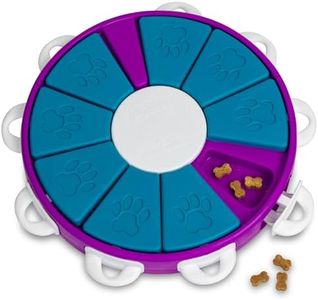
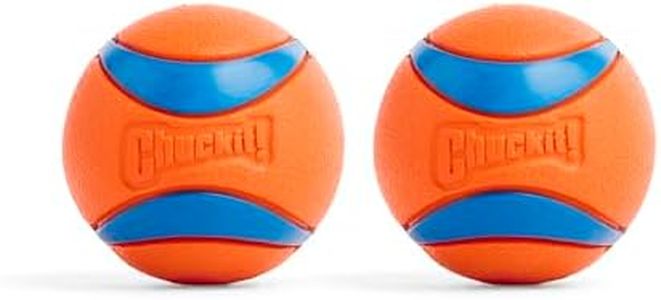
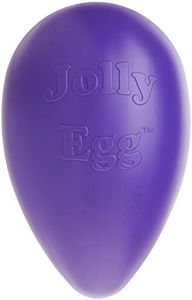
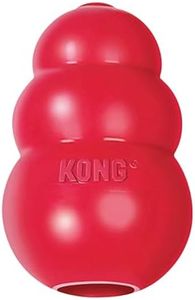
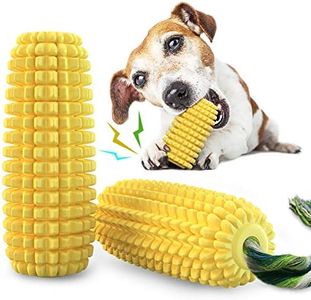
Related Products
Up to 10% off
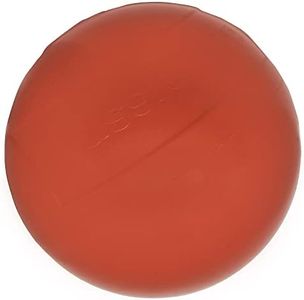
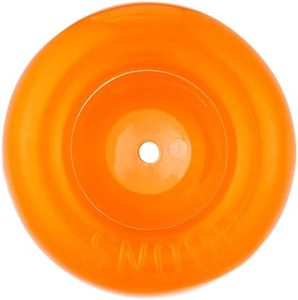
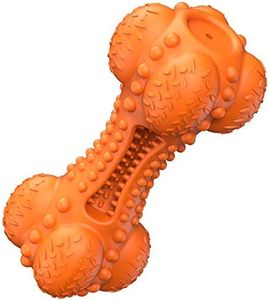
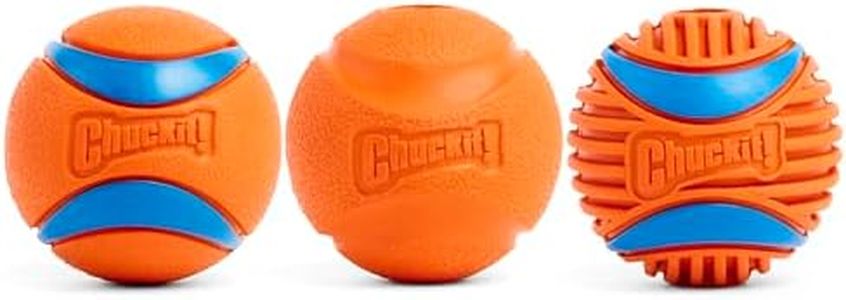
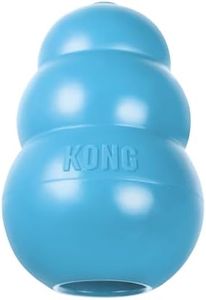
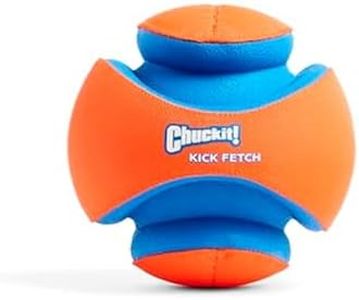
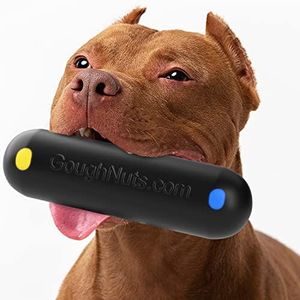
Buying Guide for the Best Pitbull Toys
When choosing toys for a Pitbull, your main goal is to find something durable, safe, and engaging. Pitbulls are known for their strong jaws and enthusiasm when playing, which means flimsy toys are likely to be destroyed quickly and could even pose a choking hazard. The right toy not only entertains but also helps with dental health, mental stimulation, and curbing any destructive chewing habits. Understanding the features and materials that make a toy suitable for strong chewers will help you provide a safer, longer-lasting, and more enjoyable playtime for your dog.DurabilityDurability refers to how well a toy can withstand chewing and rough play. This is especially important for Pitbulls because their strong jaws can quickly destroy softer or cheaply made toys. Toys made from thick, tough rubber or nylon tend to be more durable. When navigating durability, consider if the toy is labeled 'indestructible' or for 'power chewers.' If your dog destroys toys within minutes, prioritize those that are specifically designed to be extra tough. Choosing a toy with high durability ensures it will last longer and stay safe for your dog to play with.
MaterialThe material of a toy affects both its safety and longevity. Common materials include rubber, nylon, rope, and, less frequently, hard plastics. Softer plastics and plush materials are generally unsuitable for Pitbulls, as they can be chewed apart and swallowed. Opt for natural rubber or durable synthetic materials which can withstand powerful jaws and won't easily splinter or break into dangerous pieces. Choose the material based on your Pitbull's chewing style—aggressive chewers need extra-strong materials, while lighter chewers might enjoy something a bit softer.
SizeSize refers to the overall dimensions of the toy. It's important because a toy that's too small can be a choking hazard, especially for large dogs like Pitbulls. Conversely, a toy that's too large might not be fun or easy for your dog to play with. Look for toys that are larger than your dog's mouth, so it can't be swallowed, but still easy to carry or chew. Always follow manufacturer recommendations about size for your breed and consider your dog's personal play habits when making your choice.
Function and InteractivityThis refers to what the toy is designed to do—some are for chewing, others are for fetching, tug-of-war, or dispensing treats. This matters because different dogs enjoy different types of play, and Pitbulls often benefit from toys that give mental and physical stimulation. For instance, treat-dispensing toys can keep a dog entertained and challenge their mind, while ropes and rings are great for tug. Think about your dog’s favorite activities when choosing the function; an energetic dog who loves chasing balls will appreciate fetch toys, while a dog that likes problem-solving might enjoy a puzzle or treat-dispensing toy.
SafetySafety encompasses the toy’s construction and design—meaning it should have no small or loose parts, sharp edges, or toxins. This is crucial because Pitbulls are likely to chew aggressively and could ingest pieces that break off from the toy. Always check for certifications indicating non-toxic materials and regularly inspect toys for signs of damage or wear. Prioritize toys that maintain integrity during tough play and lack detachable elements. To pick the safest options, monitor how your dog interacts with new toys and remove any that are worn or at risk of coming apart.
Ease of CleaningEase of cleaning describes how simple it is to wash and maintain the toy's hygiene. Toys can collect dirt, slobber, and bacteria, which is why it's important that they can be cleaned easily. Some materials, like rubber, are dishwasher safe, while others, like rope, may be washable in the laundry. Frequent and easy cleaning is essential for your dog’s health, especially for toys that involve food. Pick toys that fit your willingness and ability to clean them regularly, and check instructions on how best to care for each type.