10 Best Pneumatic Staple Guns
From leading brands and best sellers available on the web.By clicking on a link to a third party's website, log data is shared with that third party.
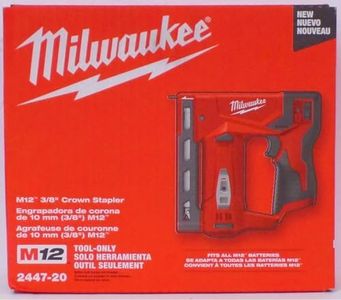
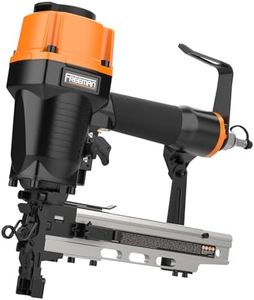
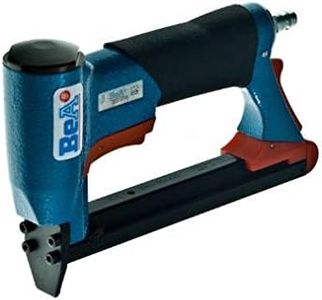
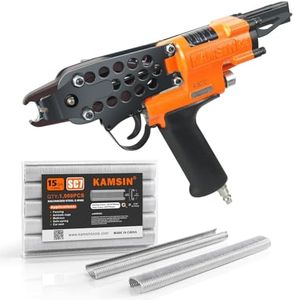
Related Products
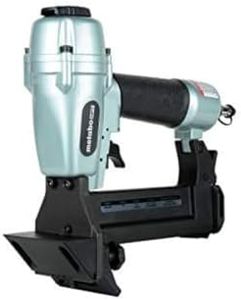
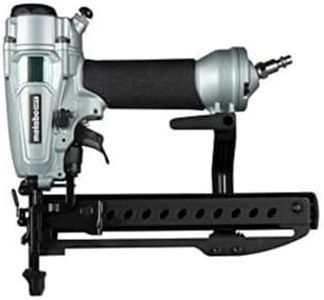
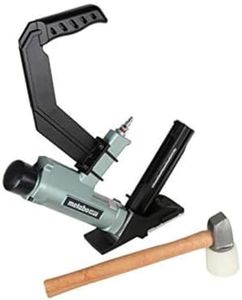
Buying Guide for the Best Pneumatic Staple Guns
Choosing the right pneumatic staple gun can make your projects quicker, easier, and more enjoyable, whether you’re working on upholstery, woodworking, or home repairs. The best approach is to think about the type of tasks you'll be using the staple gun for and match your choice to those needs. Instead of jumping straight to brands or flashy features, it's important to understand the basic specifications that define a staple gun's performance and suitability for different users. This way, you’ll be able to confidently compare options and pick a tool that will serve you well for years to come.Staple Size CompatibilityStaple size compatibility refers to what lengths, widths, and wire gauges of staples the gun can use. This is important because using the right size ensures secure fastening and prevents jams or damage. Lighter-duty guns usually handle shorter, thinner staples for delicate tasks like upholstery or crafting, while heavy-duty models support longer, thicker staples for projects like framing or fence construction. Before deciding, consider the materials and thickness you'll typically be working with. Pick a gun that is compatible with staples suited for your main jobs—going for more versatility is helpful if you tackle a wide variety of projects.
Operating Pressure RequirementThis is the range of air pressure, measured in PSI (pounds per square inch), that the staple gun needs to work properly. The operating pressure is crucial because it ensures that staples are driven securely into your material without misfires or damage. Light-duty tools may function well at lower pressures of 60-100 PSI, suitable for thinner materials, while heavy-duty guns might require higher pressures up to 120 PSI or more for thick, tough surfaces. Always check that your air compressor meets or exceeds your tool's pressure requirements, and match the range to the toughness of your jobs.
Magazine CapacityMagazine capacity is the number of staples the gun can hold at once. A higher capacity means fewer reloads, which is time-saving for big projects but may make the tool bulkier. Smaller magazines are lighter and easier to handle, making them better for occasional use or small, precise jobs. If you work on large pieces or repetitive tasks, a larger magazine keeps your workflow smooth; but for occasional or light use, a smaller, lighter tool can feel more comfortable.
Weight and ErgonomicsWeight and ergonomics relate to how heavy the tool is and how comfortable it feels in your hand. Lighter staple guns reduce fatigue, especially if you're working overhead or over long periods, while a heavier tool may be more stable but harder to maneuver. Good ergonomics means the handle is comfortable, the trigger is easy to pull, and operating the tool doesn’t strain your wrist. For lengthy or detailed projects, prioritize a tool that feels right in your hand and is easy to control.
Jam Clearing MechanismThis feature describes how easily you can clear staples if the gun jams. Efficient jam clearing mechanisms reduce downtime and frustration during use. Some staple guns offer tool-free jam releases, so you can fix a jam quickly without needing extra equipment, while others may require tools for clearing. If you expect heavy use or are new to pneumatic tools, choosing a model with an easy jam clearing system is a smart move to keep your project running smoothly.
Trigger TypeTrigger type determines how the staple is fired—either by a single trigger pull for each staple (sequential) or by holding the trigger for rapid, continuous firing (contact/bump fire). Sequential triggers are safer and more precise, making them better for careful tasks or beginners. Contact triggers are faster and suit high-volume, repetitive jobs, but require more caution. Choose based on your project type—safety and control for detailed work, or speed for big, simple projects.