10 Best Pocket Monocular
From leading brands and best sellers available on the web.By clicking on a link to a third party's website, log data is shared with that third party.
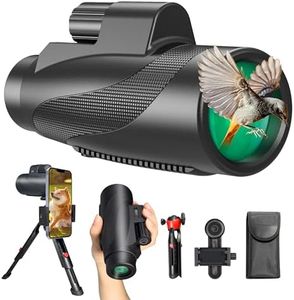
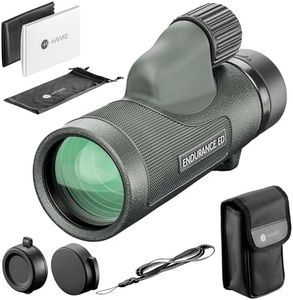
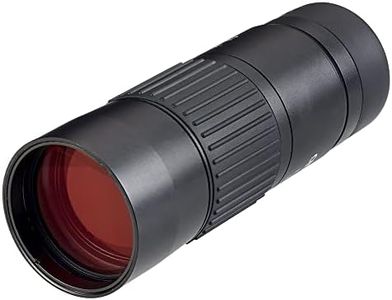
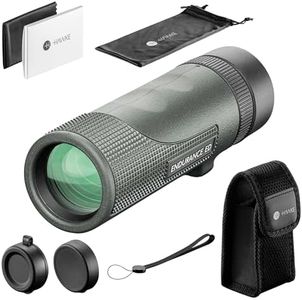
Related Products
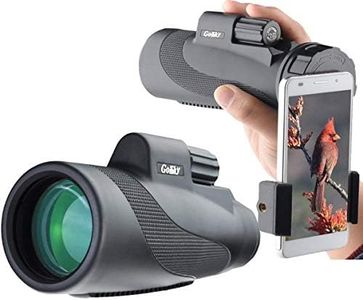
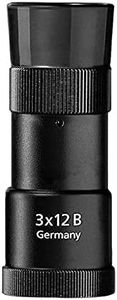
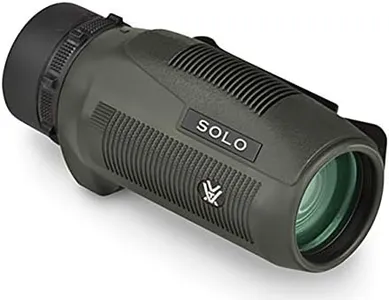
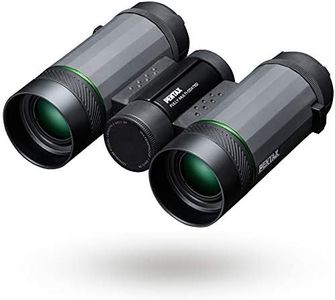
Recommended lists


Buying Guide for the Best Pocket Monocular
Choosing a pocket monocular is all about balancing portability, ease of use, and performance. Pocket monoculars are great for hiking, birdwatching, sports events, or any time you need a lightweight and convenient way to get a closer look. When shopping, pay special attention to how comfortably the monocular fits in your hand and pocket, as well as how easy it is to focus and handle. Understanding the key features will help you pick a monocular that suits your needs and activities.MagnificationMagnification refers to how much larger an object will appear through the monocular compared to the naked eye. For example, '8x' means objects appear eight times closer. This is important because higher magnification brings distant objects nearer, which is useful for birdwatching or viewing sports, but higher magnification can also mean a narrower field of view and more image shake if your hands aren’t steady. Generally, magnifications of 6x to 8x are common in pocket monoculars and offer a good balance between reach and steady viewing. Go for lower magnification if you want a wider view and steadier image, or higher magnification if you need the maximum reach—but only if you don’t mind a potentially shakier image.
Objective Lens DiameterThe objective lens diameter, usually given in millimeters (mm), tells you how wide the front lens is. A bigger diameter lets more light in, making images appear brighter, especially in low light. Common sizes for pocket monoculars range from 20mm to 32mm. If you plan to use your monocular during dusk or indoors, opt for a slightly larger objective lens, but remember this can make the monocular bigger. For daytime use and maximum portability, a smaller diameter is usually fine.
Size and WeightSince the key benefit of a pocket monocular is portability, its overall size and weight matter a lot. A truly pocket-sized monocular is compact enough to fit easily in a small bag or large pocket and light enough not to be a hassle to carry around. Smaller and lighter models are easier to handle on the go, but sometimes a little extra bulk can mean better image quality. Think about where and how you’ll carry it: if you want something for everyday carry, prioritize compactness; if you’re less concerned about pocket space, a larger monocular may offer better performance.
Field of ViewField of view refers to the width of the area you can see through the monocular from a certain distance, usually stated as meters at 1,000 meters or feet at 1,000 yards. A wider field of view is helpful for tracking moving subjects like birds or players at a sports event, but often comes with lower magnification. Decide what’s more important to you: seeing more of the scene at once (wider field) or seeing finer details further away (narrower field but higher magnification).
Focus SystemThis describes how you adjust the clarity of what you see. Monoculars usually have a focusing wheel or ring. Simpler focusing systems are easier for fast, one-handed use, which is handy if you’re on the move. If you expect to use your monocular quickly, like during a hike or at a game, look for smooth and easy-to-reach focusing mechanisms. Try out the feel if you can, as comfort and speed make a difference in real-life use.
Water and Fog ResistanceWater and fog resistance are important if you plan to use your monocular outdoors, especially in unpredictable weather. Some monoculars are sealed to keep out rain, dust, or even water splashes, and some are filled with gas to prevent internal fogging. If you’ll use your monocular mainly outside or near water, prioritize models labeled as water- or fog-resistant. If you’ll only use it indoors or in dry weather, this feature is less critical.