10 Best Pool Brush Heads
From leading brands and best sellers available on the web.By clicking on a link to a third party's website, log data is shared with that third party.

Related Products
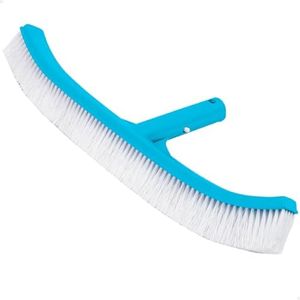
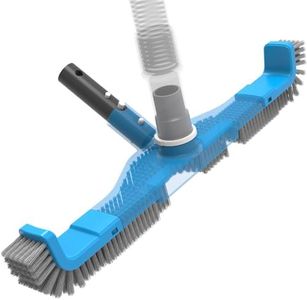
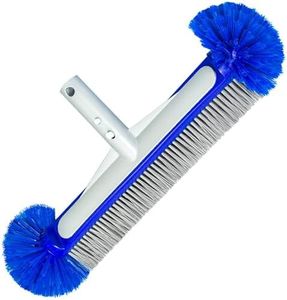
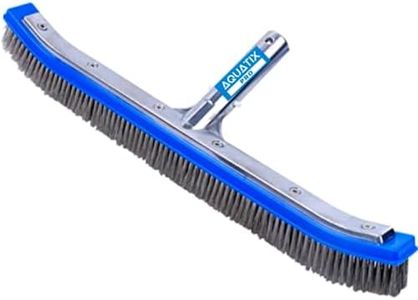
Buying Guide for the Best Pool Brush Heads
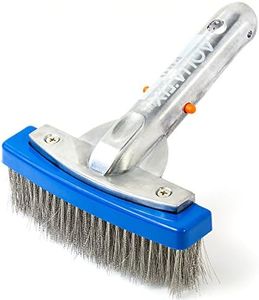
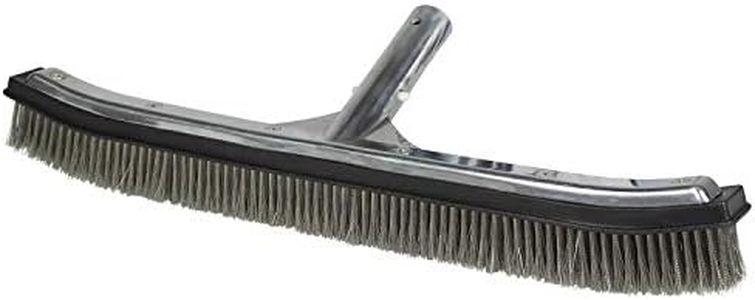
Choosing the right pool brush head is essential for keeping your swimming pool clean and free of algae, dirt, and debris. The right brush can make pool maintenance easier, help protect your pool’s surfaces, and ensure thorough cleaning. To pick the best brush head, consider your pool’s surface material, the type of debris you commonly encounter, and how often you plan to brush. Understanding the main features and specs will help you match a brush head to your unique situation.Bristle MaterialThe bristle material determines how gentle or aggressive the brush is on your pool surface. Nylon bristles are soft and suitable for delicate surfaces like vinyl or fiberglass pools as they prevent scratching. Stainless steel bristles are much stiffer, making them great for removing stubborn algae or stains on concrete or gunite pools, but they can damage softer surfaces. Polypropylene bristles offer a middle ground and work well for general cleaning on most surfaces. To pick the right bristle, start by identifying your pool’s finish; go gentle for softer surfaces, and choose more robust bristles if you have a tough, resistant pool surface that needs heavy-duty scrubbing.
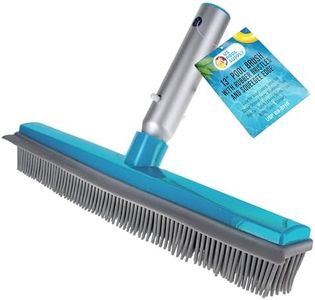
Brush WidthBrush width affects how much surface area you can clean in one pass and how easy it is to maneuver the brush in your pool. Narrow brushes (around 12 inches) are easy to handle and work well in tight corners or steps but take longer to clean large areas. Medium-width brushes (15-18 inches) provide a good balance between coverage and maneuverability. Wide brushes (over 18 inches) cover more area quickly, making them great for large pools, but they can be harder to control. Choose a size that matches your pool’s size and shape; smaller brushes are ideal for detail work, while larger ones save time on big, open surfaces.
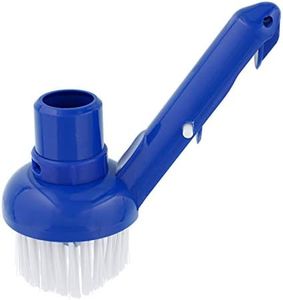
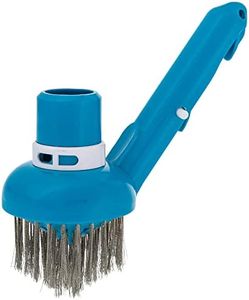
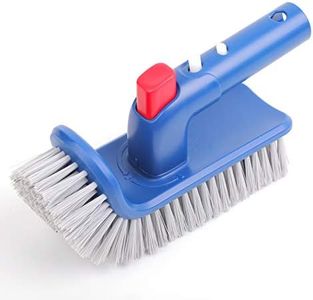
Brush ShapeBrushes come in various shapes, including rectangular, curved, and triangular designs. Rectangular brushes are standard and efficiently clean flat surfaces. Curved brushes have rounded edges to help reach into pool corners and along curves. Triangular brushes are excellent for cleaning steps, tight spots, and odd angles. If your pool has many corners and steps, a curved or triangular brush may be more suitable. For mostly flat, open surfaces, a rectangular brush is likely to be the most effective and quickest option.
Handle CompatibilityMost brush heads attach to telescopic handles, but it's important to check the compatibility before you buy. Some brushes have universal mounts, while others need specific connection types. Ensuring compatibility allows for easier use and avoids frustration. If you already have a handle, make sure the brush head will fit it; if not, you may need to get a matching handle. Think about the reach you need as well, especially for deeper pools, as some handles can extend much farther.
Attachment MethodBrush heads connect to handles in different ways, such as snap-locks, clips, or screws. Snap-lock and clip-on types are quick to attach and detach, making it simple to switch heads. Screw-on attachments are more secure but take a bit longer to change out. Choose an attachment method that matches your preference for convenience and how often you plan to switch between different cleaning heads. Frequent brushers may value quick-change systems, while occasional users might be fine with more permanent attachments.