10 Best Portable Beach Chairs
From leading brands and best sellers available on the web.By clicking on a link to a third party's website, log data is shared with that third party.
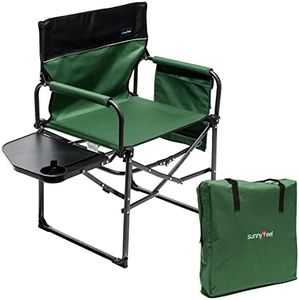
Related Products
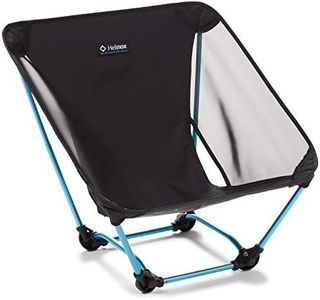

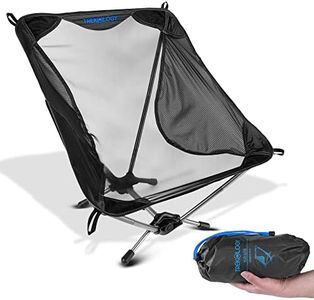
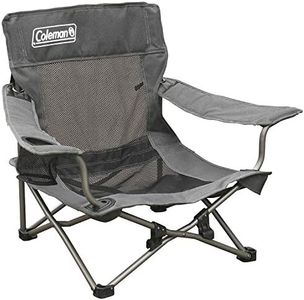
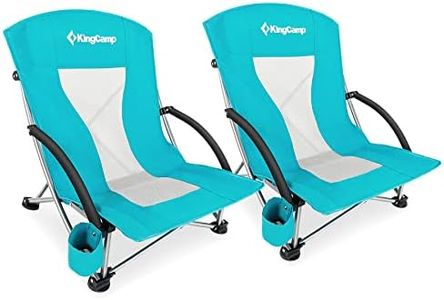
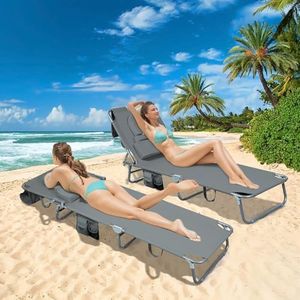
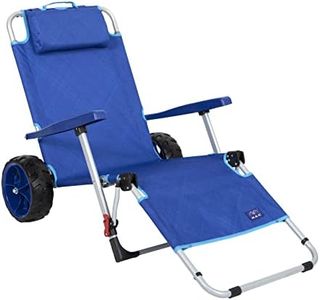
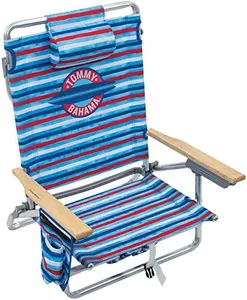
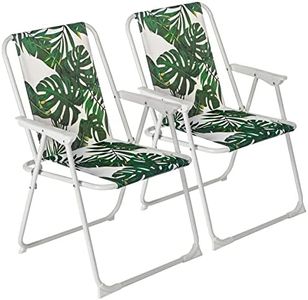
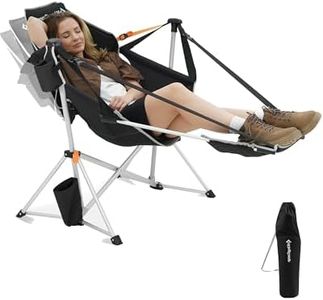
Buying Guide for the Best Portable Beach Chairs
Choosing the best portable beach chair means finding a balance between comfort, durability, ease of carrying, and features that suit your unique beach style. With so many types available, focusing on the main aspects can help you find a chair that meets your needs for sunny relaxation, convenience, and adaptability. Think about where and how often you’ll use it, your preferred sitting position, and any extra functions you might value. Let's look at which features make the most difference.Weight & PortabilityThis is about how easy the chair is to carry from your car or home to the sand, and back. A lighter chair is easier to transport, especially if you need to walk a distance, but lighter models might sacrifice some comfort or stability. Heavier ones usually offer more padding and sturdier frames but can be more of a hassle to haul. If you plan on walking a long way or have limited carrying ability, a lighter chair with a shoulder strap or backpack-style straps can be ideal. For short trips or if you prefer more comfort and don’t mind a bit of extra weight, a heavier, more padded model may suit you better.
Seat HeightSeat height refers to how high off the ground the seat is. Low-profile chairs, 5-10 inches off the sand, allow you to stretch out your legs and are more laid back—great for sunbathers and those who like to feel close to the beach. Higher chairs (13-18 inches) are easier to get in and out of, which is helpful for anyone with knee or back concerns, or for older adults. Your comfort and mobility should guide your choice—if you want that close-to-the-sand feel go lower, if you want easier access, pick higher.
Frame MaterialBeach chairs are commonly made from aluminum or steel frames. Aluminum is lighter and naturally resists rust, making it a popular choice for beachgoers who prioritize easy carrying and durability in salty air. Steel frames offer more strength and sturdiness, but are heavier and may rust over time if not cared for properly. If you expect to use your chair often on the coast, aluminum might be a better match, while steel works if you want that extra sturdiness and don’t mind the added weight or occasional maintenance.
Fabric TypeThe fabric on a beach chair can determine how comfortable, breathable, and long-lasting it is. Polyester is common, offering strong durability and resistance to fading, while mesh options provide more breathability and quicker drying time if the chair gets wet. If you plan to use the chair frequently or in hot climates, look for breathable, fast-drying fabrics. For occasional or gentle use, most standard synthetic materials will suffice.
Recline PositionsMany beach chairs allow you to adjust the backrest angle. Some offer just a couple of settings, while others can fully recline almost flat. More recline options add versatility, letting you sit upright for socializing, lean back for reading or fully lie down for sunbathing. If you know your favorite beach activity (napping, chatting, or sitting up for a meal), choose accordingly; frequent relaxers and sunbathers often prefer a wider range of recline.
Extra FeaturesFeatures like cup holders, pockets, headrests, footrests, canopies, or arm rests can make your beach experience more enjoyable. Think about what will genuinely improve your lounging—do you want shade, a place for your drink, or a head pillow? Opt for only the extras that match your habits, as more features can add weight or make the chair bulkier.