10 Best Portable Dust Collectors
From leading brands and best sellers available on the web.By clicking on a link to a third party's website, log data is shared with that third party.
Related Products

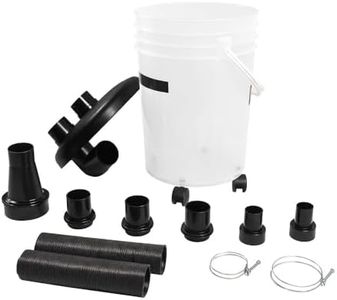
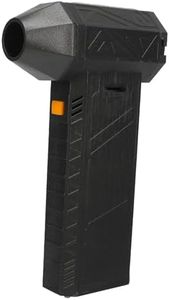
Buying Guide for the Best Portable Dust Collectors
When shopping for a portable dust collector, it's essential to focus on how and where you'll use the machine. Portable dust collectors are designed to remove airborne dust and debris from woodworking shops, garages, construction sites, or other workspaces. The right model will make your workspace cleaner and safer, while also being easy to move around. Consider the tasks you’ll be performing, the volume of dust created, and how much space you have. Being clear about your usage needs will help you prioritize the most important features for your situation.Airflow (CFM)CFM stands for Cubic Feet per Minute and measures how much air the dust collector moves. This is important because higher airflow means it can collect more dust from your workspace and do so faster. Small, light-duty units may have a CFM of 300–600, suitable for hand tools or light woodworking. Mid-range units (around 700–1000 CFM) are good for small to medium workshops with multiple tools. Heavy-duty units push beyond 1000 CFM and can support bigger machines or commercial spaces. To choose the right airflow, think about how many and what types of machines you'll connect—more powerful tools and larger amounts of dust require higher CFM.
Filtration (Micron Rating)Filtration is the dust collector’s ability to trap small particles. The lower the micron rating, the smaller the particles it can capture—important for air quality and health. Entry-level units may filter down to 5–30 microns, good for larger dust but less effective for fine particles. Advanced units filter down to 1 micron or even less, ideal for capturing fine, potentially harmful dust. If you’re concerned about breathing clean air, especially in enclosed spaces or if you create a lot of fine dust like sanding, look for lower micron ratings.
PortabilityPortability covers how easy it is to move the dust collector. Smaller, lightweight models often come with handles and small wheels, making them simple to tote around a tight workspace or transport between sites. Larger units may have heavier frames and bigger wheels, designed to be rolled but less convenient to carry. Consider where you’ll be using the collector; if you need to move it often, prioritize lighter and more compact options.
Bag or Container CapacityThe dust collector’s bag or drum holds the collected debris. A larger bin means you can work longer before emptying it, which is convenient for big projects or high-volume applications. Small units may have bins under 2 gallons, suitable for occasional or light use. Mid-sized units offer 4–10 gallons and fit most home shops. Larger containers above 10 gallons handle heavy-duty use or shared workspaces. Choose based on how often you want to empty the collector and the typical job size.
Noise Level (Decibels)Noise level reflects how loud the dust collector is during use, measured in decibels (dB). Quieter units can run under 70 dB, similar to normal conversation, while bigger, more powerful units might hit 85 dB or above. If you’ll be working in close quarters or sensitive environments, or if you prefer quieter operation for comfort, opt for a lower-decibel model. Otherwise, higher noise levels might be acceptable in well-ventilated or isolated workshops.
Power SourceMost portable dust collectors are powered by electricity and typically plug into standard outlets, though some might be battery-powered or need a higher-voltage connection for larger models. Consider your workspace: if you have readily accessible outlets, corded units offer constant power. Battery-powered models offer more mobility but often have less power and may need frequent recharging. Choose based on where you’ll need to use it and how far you’ll need to move from power sources.