10 Best Portable Reverse Osmosis Water Filters
From leading brands and best sellers available on the web.By clicking on a link to a third party's website, log data is shared with that third party.
Related Products
Up to 7% off
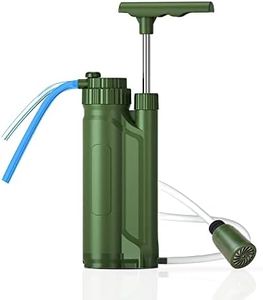
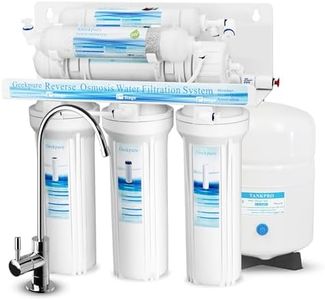
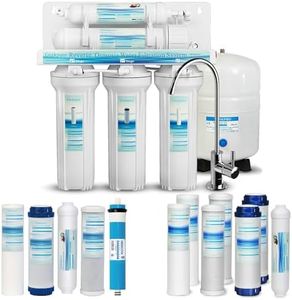
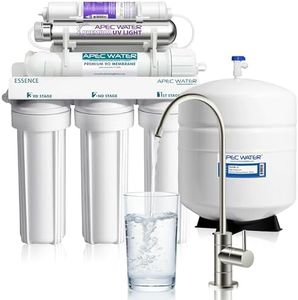
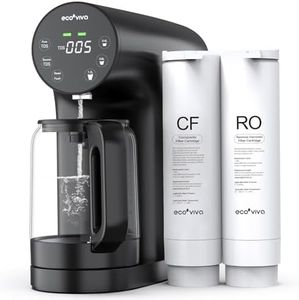

Buying Guide for the Best Portable Reverse Osmosis Water Filters
Choosing a portable reverse osmosis (RO) water filter can seem overwhelming, but it becomes much easier once you understand what matters. Portable RO filters are designed to remove many types of contaminants from water, making them popular for camping, travel, emergencies, or even daily use where water safety is a concern. The key to finding the right one is to match the filter’s capabilities with your personal needs, considering how and where you plan to use it.Filtration StagesFiltration stages refer to how many steps the water goes through to remove impurities. More stages usually mean better filtration, as different filters target different contaminants like sediments, chemicals, and microorganisms. Entry-level models may have two or three stages, handling basic sediment and chlorine, while advanced ones might include four or five stages, adding activated carbon and specialized RO membranes for comprehensive purification. If you’re using water from natural sources like rivers or lakes, or in areas with questionable supply, more stages offer better safety. For just improving tap water taste and odor, fewer stages might be enough.
Filter CapacityFilter capacity tells you how much water the device can treat before its filters need replacing. Capacities are usually measured in gallons or liters. Small, lightweight filters are best for occasional personal use or short trips, handling a few gallons before needing a change. Larger capacity filters can support small groups, extended use, or emergencies, lasting for hundreds of gallons. Consider how many people will use the filter and how long you’ll be away from replacement options to choose a suitable capacity.
Flow RateFlow rate describes how quickly the filter can produce purified water, often measured in liters per hour or minutes per bottle. Faster flow rates are convenient for groups or cooking, while slower rates might be acceptable for single users or light needs. Some compact RO filters may trade speed for portability, taking several minutes to fill a bottle. Think about your patience and group size—if you often need a lot of water quickly, prioritize higher flow rates.
Portability and WeightPortability and weight are crucial if you plan to carry the filter, especially during hiking or backpacking. Lightweight, compact models are easier to transport but may have smaller capacity and fewer features. Heavier units might offer more robust filtration and higher output; they suit car camping or emergency kits. Match the weight and size of the filter to your travel style and carrying comfort.
Ease of Use and MaintenanceEase of use means how simple it is to assemble, operate, and clean the device. Some filters are pump-action, requiring manual work, while others use gravity or squeeze systems, needing less effort. Maintenance refers to how easily you can clean or replace filters. If you’re not keen on DIY or often on the move, pick a model known for intuitive operation and that offers clear instructions for filter changes.
Contaminant Removal ClaimsRO filters differ in what they can remove, with some designed for broader contaminant ranges than others. Check if the product provides verified tests or certifications for removing bacteria, viruses, heavy metals, or chemicals. If you expect to deal with untreated or potentially dangerous water, pick a filter with broad certifications. For city water, removal of chlorine and bad taste may be your main concern.