We Use CookiesWe use cookies to enhance the security, performance,
functionality and for analytical and promotional activities. By continuing to browse this site you
are agreeing to our privacy policy
10 Best Power Pressure Washers
From leading brands and best sellers available on the web.By clicking on a link to a third party's website, log data is shared with that third party.

Related Products
Up to 8% off
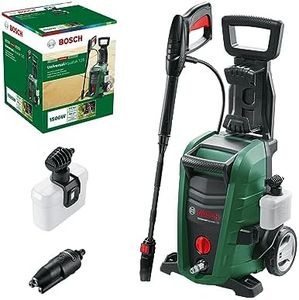
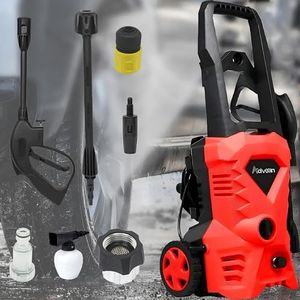
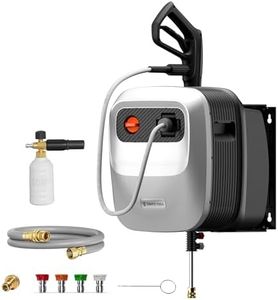
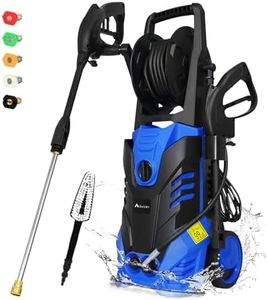


Buying Guide for the Best Power Pressure Washers
Choosing the right power pressure washer is all about understanding your cleaning tasks and matching them with the right machine. These handy tools can make outdoor cleaning much quicker and more effective, but picking the right model means looking closely at several important features. When you compare pressure washers, think about what you will clean most often—are you tackling tough driveway stains, washing cars, or simply cleaning outdoor furniture? Knowing your main use case will help you focus on the specs that matter most and avoid buying a machine that’s either overkill or underpowered for your needs.Pressure (PSI)PSI stands for pounds per square inch, and it measures how strongly water comes out of the pressure washer. Higher PSI means the machine delivers more force, which is great for removing stubborn dirt and grime, while lower PSI is more gentle and suitable for delicate surfaces. Generally, machines under 2,000 PSI are considered light-duty (good for cars, outdoor furniture, and fragile surfaces), 2,000–3,000 PSI are medium-duty (driveways, fences, decks), and over 3,000 PSI are heavy-duty (tough stains, paint stripping). You should pick a PSI that matches the surfaces you’ll clean most often—don’t go too high if you mainly wash cars or wish to avoid damage to surfaces.
Water Flow (GPM)GPM stands for gallons per minute, which is how much water flows through the washer. A higher GPM means more water is used, which can help rinse dirt away faster and cover bigger areas in less time. Light tasks like washing garden tools or windows can be done with lower GPMs (around 1–1.5 GPM), while bigger projects like cleaning patios or driveways are easier with higher GPMs (2 GPM and above). Consider how large an area you’ll clean and whether you want to finish jobs quickly when thinking about the right GPM.
Power Source (Electric vs. Gas)Pressure washers can be electric or gas powered. Electric models are quieter, easier to maintain, and best for small to medium tasks near a power outlet. Gas models are typically more powerful and don’t need to be plugged in, making them better for heavy-duty projects or jobs away from electricity. However, gas washers tend to be louder and need more maintenance. If you’re mostly working around the house and want easy operation, electric is a good fit. If you need the most power or work in remote areas, gas might be better.
Portability and SizeThe size and portability of a pressure washer affect how easy it is to move and store. Compact models are lighter and easier to carry but might lack power for big jobs. Larger models often have wheels and handles, which help move them around, but they take up more space. Think about your storage area and whether you’ll need to move the washer up and down stairs or lift it into a vehicle. Choose a model that fits your storage space and is light enough for you to handle safely.
Nozzle Types and AdjustabilityNozzles control the shape and pressure of the water spray, from narrow, powerful jets to wider, gentler sprays. Many pressure washers come with interchangeable nozzles or an adjustable nozzle that lets you change the spray pattern. Using the right nozzle helps you clean efficiently without damaging surfaces. For example, a 0-degree nozzle is very powerful but best for small, tough spots, while a 40-degree nozzle is gentle for rinsing cars. Make sure your pressure washer comes with (or can use) a variety of nozzles so you can adjust the spray to your cleaning task.
Hose Length and Build QualityThe hose length determines how far you can move from the machine while cleaning, and better build quality means a longer-lasting, less kink-prone hose. Short hoses (under 20 feet) work for small patios or close-up jobs, while longer hoses (25 feet or more) are best for bigger areas where range matters. If you have a large area to clean or need to reach higher places, a longer and more durable hose will give you the flexibility and reliability you need.