We Use CookiesWe use cookies to enhance the security, performance,
functionality and for analytical and promotional activities. By continuing to browse this site you
are agreeing to our privacy policy
10 Best Printable Fabric Sheets
From leading brands and best sellers available on the web.By clicking on a link to a third party's website, log data is shared with that third party.
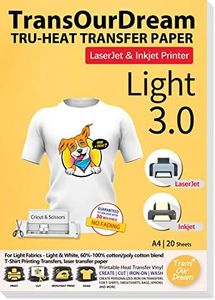
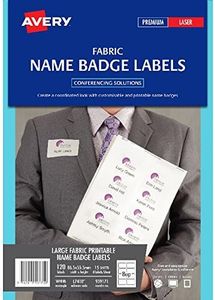
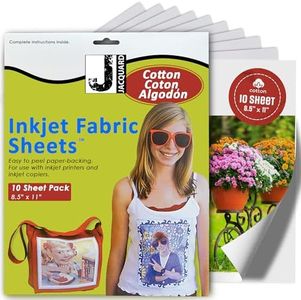

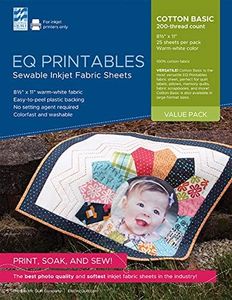
Related Products
Up to 15% off
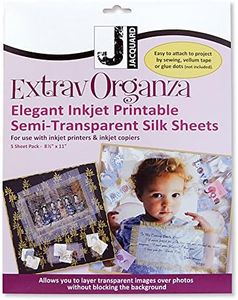
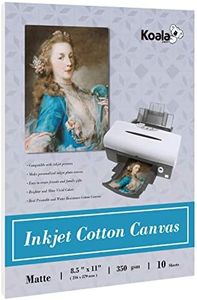
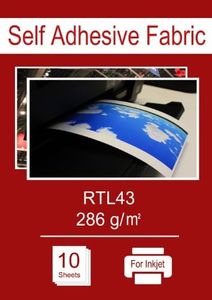
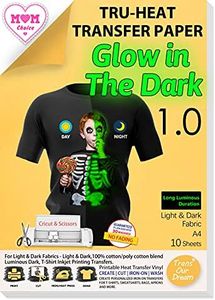
Buying Guide for the Best Printable Fabric Sheets
When choosing printable fabric sheets, it's important to first consider what kind of project you’re undertaking. Printable fabric sheets allow you to create custom-designed fabric pieces using an inkjet printer, making them perfect for personalized crafts, quilting, labels, and art projects. You should think about how the fabric will be used – whether it needs to be washable, ironed onto other materials, used as a patch, or simply showcased as art. Understanding your end goal will help you navigate the different features and specifications of fabric sheets to find the best fit for your project.Fabric TypeFabric type refers to the kind of material that’s used for the printable sheet. Common options include cotton, silk, and polyester blends. Cotton is the most popular because it absorbs ink well and feels like regular fabric, making it great for quilting or sewing projects. Silk offers a more delicate and luxurious finish, ideal for high-end crafts or art. Polyester or blends often provide added durability and may resist wrinkling. When choosing, think about the texture and appearance you need: if you want something to blend into traditional fabric projects, cotton is best. If you need a smooth, shiny look, silk or blends may be preferable.
Backing TypeBacking type refers to the material that supports the fabric sheet as it goes through the printer. Most printable fabric has either a paper or plastic backing that’s peeled away after printing. Paper backings are easy to tear off and often work well for everyday crafting, while plastic or fusible backings can add extra stability or allow for easy ironing onto other fabrics. If you plan to sew or handle the fabric a lot after printing, a sturdy backing may help prevent distortion. Choose a backing type that matches how you’ll use the sheet after printing.
Ink CompatibilityInk compatibility indicates whether the fabric sheets are designed for use with inkjet or laser printers. Most print-at-home fabric sheets are made for inkjet printers, which use water-based inks that soak into the fabric. Attempting to use a sheet not rated for your printer may cause poor results or damage. Check what type of printer you have and match it to the sheet: if you have an inkjet printer (most home printers), look for sheets marked 'inkjet compatible.' If you only have access to a laser printer, you’ll need specifically labeled sheets.
WashabilityWashability tells you whether the printed fabric can be washed without the design fading or running. Some printable fabric sheets are only meant for decorative use and should not be laundered, while others are treated to be hand or machine washed. Sheets labeled as 'washable' are great for clothing, quilts, and anything that might get dirty, while non-washable sheets are suitable for scrapbooking or wall art. Think about whether your finished project needs to survive washing or if it will stay dry and clean.
Sheet SizeSheet size is the dimensions of each printable fabric sheet. Standard sizes match printer paper, such as 8.5x11 inches. Larger or smaller sizes can be less common and may not work with all printers. The right size depends on your project: for small labels or patches, standard letter size is easy to work with and simple to cut down after printing; if your project needs bigger pieces, check if your printer can handle larger sheets.
ThicknessThickness refers to how sturdy or flexible the fabric sheet is. Thinner sheets drape more naturally and are easier to sew into projects like quilts or clothing, while thicker sheets hold their shape better and can be easier for crafts like card-making or fabric postcards. For projects that require layering or easy sewing, thinner sheets work best. For items that need structure or will stand alone, thicker sheets are more suitable.