We Use CookiesWe use cookies to enhance the security, performance,
functionality and for analytical and promotional activities. By continuing to browse this site you
are agreeing to our privacy policy
10 Best Printer For Artists
From leading brands and best sellers available on the web.By clicking on a link to a third party's website, log data is shared with that third party.
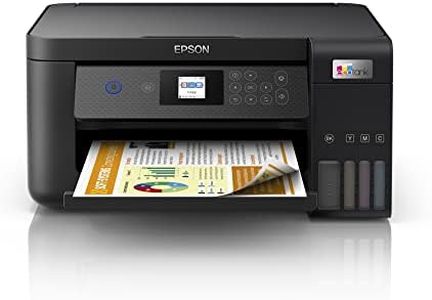
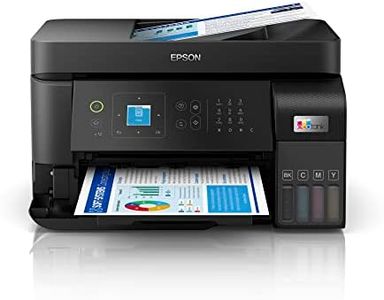
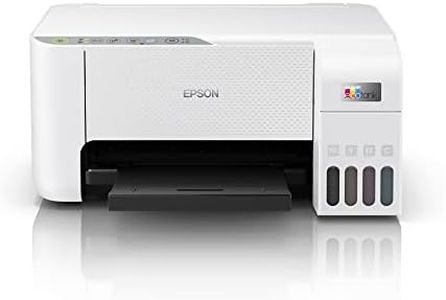
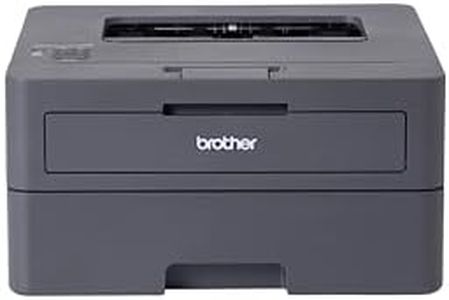
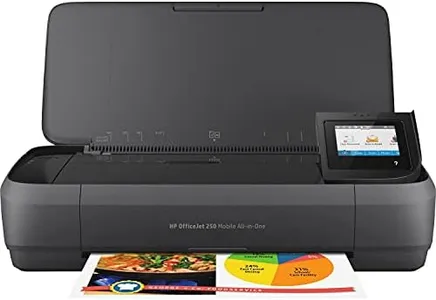
Related Products
Up to 15% off
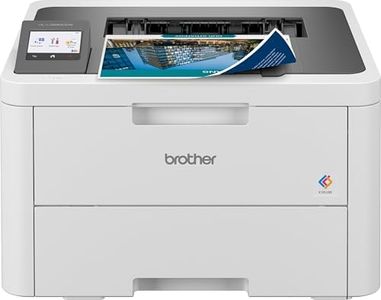
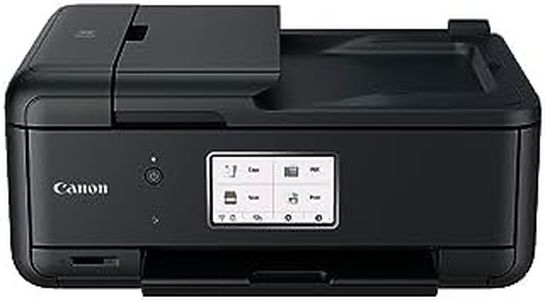
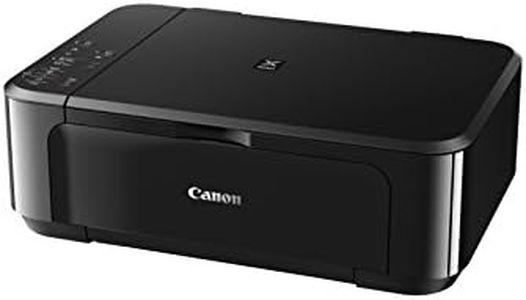
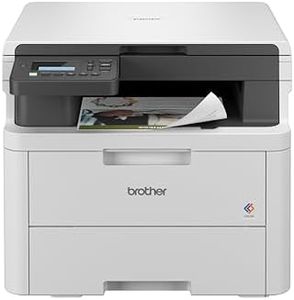
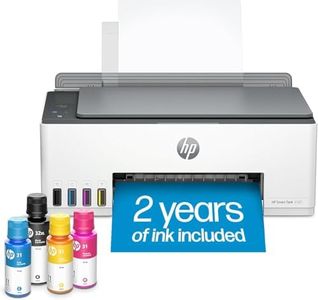
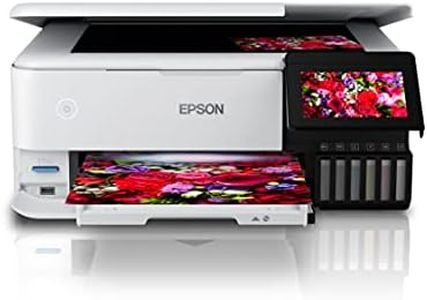
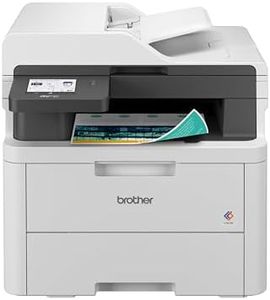
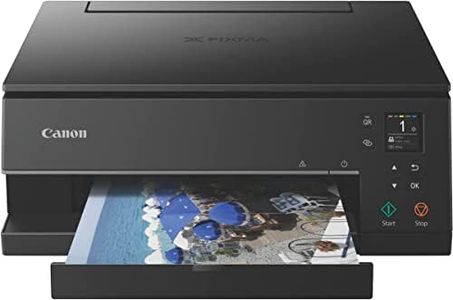
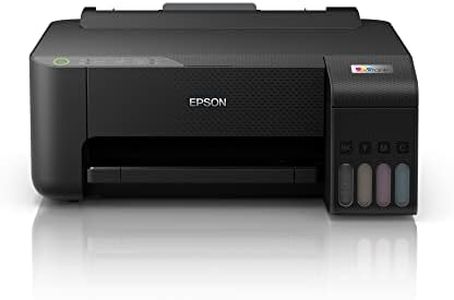
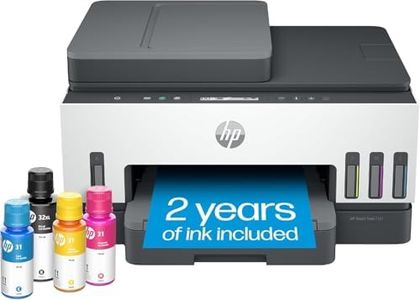
Recommended lists

Top rated
Printer For Ink Costs
Buying Guide for the Best Printer For Artists
Choosing a printer as an artist is all about ensuring your creative work is reproduced with the quality, color accuracy, and material versatility you need. When picking an artist's printer, you have to think beyond typical document printers. Consider not only how your artwork will look in print, but also the types of media you want to use, from glossy photo paper to textured watercolor paper. Factors like print quality, color fidelity, media size, and ink types play a huge role in the final result.Print Resolution (DPI)Print resolution is measured in DPI, or dots per inch, and it represents how many tiny ink dots a printer can lay down in one inch. This matters because higher DPI generally means sharper, more detailed prints, which is especially important for detailed artwork or photography. Printers can have resolutions ranging from around 600 x 600 DPI (enough for basic graphics) to 4800 x 2400 DPI or even higher (great for fine art and gallery prints). If you focus on sketches or line art, a moderate DPI might be fine, but for high-detail paintings or vibrant digital art, aim for a printer with the highest DPI possible.
Color Accuracy and GamutColor accuracy refers to how closely a printer can match the original colors of your artwork, while color gamut is the range of colors a printer can produce. A wider gamut lets you print richer, more vibrant colors. Some printers use more ink colors (such as 6-10 inks instead of the basic 4) to increase both gamut and smoothness. If you need color reproduction that is true to your work, look for models marketed towards photographers or graphic artists, as these have advanced color systems. However, if your artwork is monochrome or doesn’t need subtle color gradations, a standard color printer may suffice.
Media CompatibilityMedia compatibility means which types and sizes of paper or other materials the printer can handle. Artists often need to print on heavy cardstock, textured paper, or large-format sheets. Some printers only take regular printer paper, but others support specialty media like canvas, fine art paper, or sizes beyond standard A4/Letter, sometimes up to A3, A2, or even roll-fed options. If your art requires unique materials, verify the printer can handle them reliably, both for thickness and surface texture.
Ink Type (Dye vs. Pigment)Ink type usually falls into dye-based or pigment-based categories. Dye inks tend to produce very vibrant colors and smooth blends but may not be as resistant to fading over the years. Pigment inks, on the other hand, are more archival, meaning prints last longer without fading and can resist water and smudging better. If your prints are meant for sale, exhibitions, or long-term display, pigment ink printers are preferred for their longevity. For more casual or experimental works, dye inks could be enough.
Size and Build QualityThe size of the printer—both what it can print and its physical footprint—is important. Large format printers can handle bigger artworks but take up more space, while compact models are easier to fit into a home studio but may only handle small prints. Build quality matters when you need consistent results over time and will be using the machine heavily, especially with thick or specialty media. Pick a size that fits your workspace and meets your most common print size needs.
Connectivity and Workflow FeaturesHow you connect to and control your printer can impact your workflow. Some printers offer only USB connections, while others support Wi-Fi, Ethernet, or direct-from-camera printing. Features like touchscreens, memory card slots, or mobile printing apps can make your creative process smoother. If you work from multiple devices or want flexibility in where you print from, look for these convenience features. For solo desktop setups, simpler connectivity may be all you need.