10 Best Pro Trick Scooters
From leading brands and best sellers available on the web.By clicking on a link to a third party's website, log data is shared with that third party.
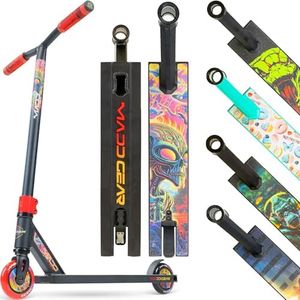
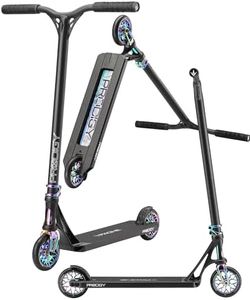
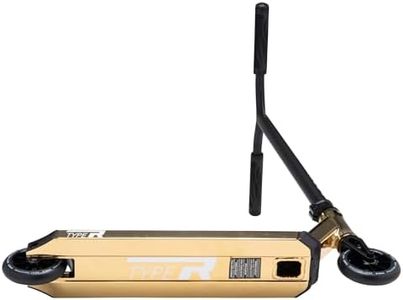
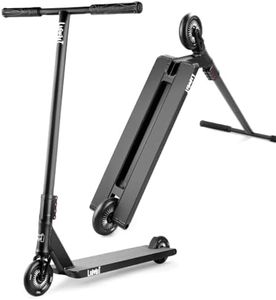
Related Products
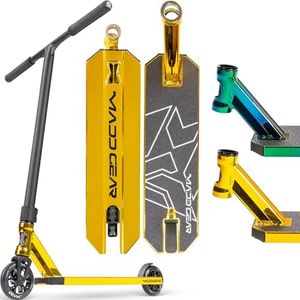
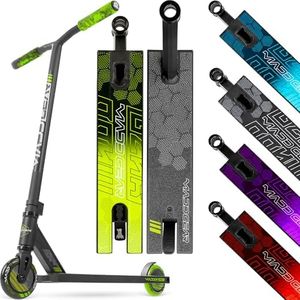

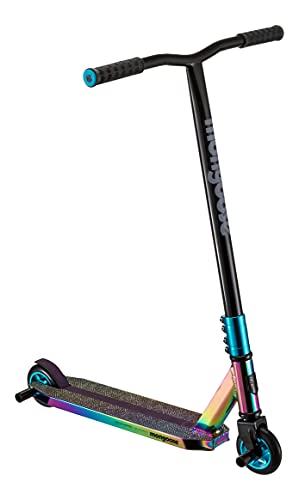
Buying Guide for the Best Pro Trick Scooters
Choosing a pro trick scooter can be really exciting, especially if you enjoy freestyle riding, tricks, or riding at a skatepark. The right scooter will not only help you perform better but also make sure you’re safe and comfortable while riding. Understanding the main parts and what they do will help you pick a scooter that matches your skills, size, and riding style. Let’s break down the essential features you should look at and why they matter.Deck Size and MaterialThe deck is the platform where you place your feet, and its size and material are important for balance and trick performance. A wider, longer deck offers more foot space and better stability, which is good for beginners or riders doing street tricks. A narrower, shorter deck is lighter and easier to maneuver, favored by experienced riders or those focusing on flips and fast tricks. Most decks are made from aluminum for a lightweight yet strong build; heavier materials are generally best avoided.
Bar Height and WidthThe scooter’s handlebars (bars) come in different heights and widths, which affect your control and comfort. Bars too tall or too short can cause discomfort or affect your balance. As a simple rule, the bars should reach somewhere between your waist and hips when you stand on the scooter. Wider bars give more stability; narrower bars are better for quick spins. You should match the height and width to your body size and trick style: taller riders and street style prefer stability (wider/higher), while park riders may go lower and narrower for easier stunts.
Compression SystemThe compression system holds the bars and fork securely. Its quality decides how stable the scooter feels and how well it absorbs impact. Common types are IHC, HIC, and SCS. Simpler ones are easier to maintain and suitable for beginners, while more advanced systems are for experienced riders who land heavy tricks and need extra strength. Pick a reliable, easy-to-maintain system if you’re starting, and upgrade as you progress.
Wheel Size and HardnessScooter wheels differ in diameter (size) and hardness. Smaller wheels (100-110mm) are light and spin faster, making them best for quick tricks and skateparks. Larger wheels (120mm or above) roll smoother and faster, better for street riding. Harder wheels last longer and are faster but can be less comfortable on rough ground, while softer wheels give better grip but wear out faster. Choose based on where you’ll ride most – park or street – and your trick style.
Fork and Headset QualityThe fork connects your front wheel to the rest of the scooter, and the headset lets the bars spin smoothly. Strong, lightweight forks and sealed headsets are a top choice for those doing many tricks, as they handle more stress and allow smooth bar spins. Beginners can start with standard setups, but as you get better, look for higher-quality forks and sealed headsets for improved performance.
WeightThe overall weight of the scooter makes a big difference in how it feels when riding and doing tricks. Lighter scooters are great for technical tricks and younger riders, as they're easier to lift and whip. Heavier scooters are more stable and durable for bigger, older riders or those doing high-impact tricks. Think about your strength and the kind of riding you’ll do most so you don’t end up with a scooter that holds you back.