10 Best Professional Photo Scanners
From leading brands and best sellers available on the web.By clicking on a link to a third party's website, log data is shared with that third party.
Related Products
Up to 9% off
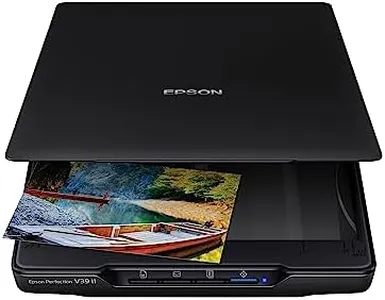
Buying Guide for the Best Professional Photo Scanners
Choosing a professional photo scanner is all about matching the device's abilities to the quality and speed you need for your specific projects. Professional photo scanners are designed to create high-quality digital versions of printed photos, film, or slides. When selecting one, focus on the features that matter most for the type and condition of photographs you plan to scan, the level of detail you require, and the volume of work you expect to process. Understanding the main specifications will help you make a confident choice that suits your workflow and expectations.Optical Resolution (DPI)Optical resolution refers to the amount of detail a scanner can capture, measured in dots per inch (DPI). This is important because it determines how sharp and detailed your scanned images will appear. Scanners usually offer a range such as 1200 DPI, 2400 DPI, or higher. Lower ranges (up to 1200 DPI) are good for basic photo archiving, while higher resolutions (2400 DPI and above) are better if you plan to enlarge scans or capture small details like film grain or fine textures. Choose a higher DPI if you need museum-quality reproductions or are working with small originals like slides; for typical photo prints, standard DPI may suffice.
Color Depth (Bit Depth)Color depth, expressed in bits, indicates how many colors and subtle tones a scanner can capture. Higher color depth (like 48-bit) means you get richer colors and smoother gradations, which is vital for professional photo restoration or archival work. If your projects require high-quality color accuracy or you plan on editing or correcting your scans in detail, opt for a scanner with higher color depth. For everyday photo digitization, standard color depth (24-bit) is usually adequate.
Scan SpeedScan speed is how quickly a scanner processes each image, often measured in seconds per scan or pages per minute. This is especially important if you're digitizing large batches of photos. Slower speeds are acceptable if you prioritize maximum quality for each scan, but if you work with high volumes or on tight deadlines, choosing a scanner with faster processing can save a lot of time. Consider your typical workflow—single masterpieces or hundreds of family photos—and choose a speed that matches your patience and productivity needs.
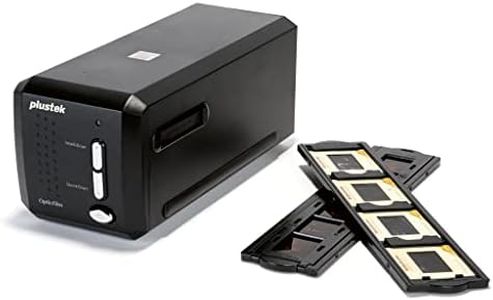
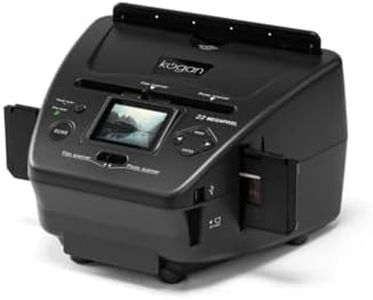
Film and Slide HandlingSome professional photo scanners also offer the ability to scan negatives or slides in addition to printed photos. This usually involves dedicated holders or adapters and higher optical resolution. If you have a collection of 35mm film, slides, or other film formats, look for a scanner with this feature, as not all scanners support film scanning. If your work is only with printed photos, this feature is less important.
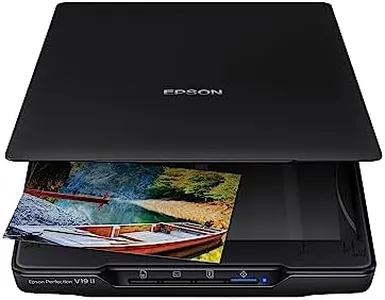
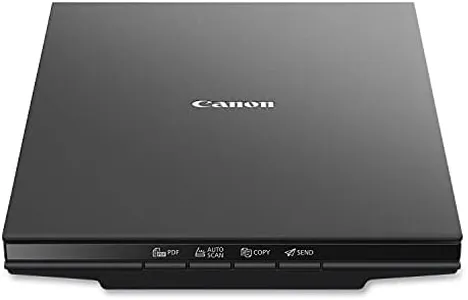
Flatbed vs. Sheet-fed DesignPhoto scanners come in flatbed or sheet-fed designs. Flatbed scanners have a glass surface and are best for delicate, oversized, or odd-shaped photos, as you simply lay them flat to scan. Sheet-fed scanners are faster for standard-sized prints but may not handle fragile or thick originals well. If you expect to scan a variety of media, a flatbed offers more flexibility, but if you always scan standard-sized, undamaged prints and need speed, sheet-fed may be right for you.
Software and ConnectivityThe software included with a scanner affects ease of use, editing options, and compatibility with your computer. Better software can help automate corrections, restore colors, or remove dust spots. Connectivity refers to how the scanner connects to your computer, such as via USB or Wi-Fi. Choose a scanner that works seamlessly with your devices and operating system. Consider what level of editing you want to do during scanning and ensure the scanner’s software supports your typical workflow.