We Use CookiesWe use cookies to enhance the security, performance,
functionality and for analytical and promotional activities. By continuing to browse this site you
are agreeing to our privacy policy
10 Best Puppy Food For Labs
From leading brands and best sellers available on the web.
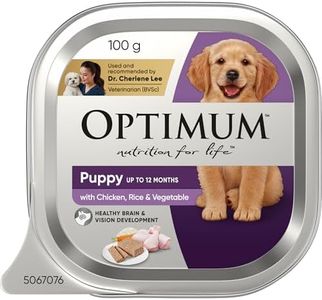
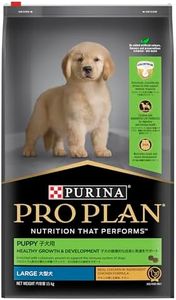
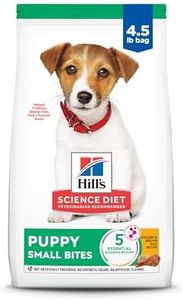
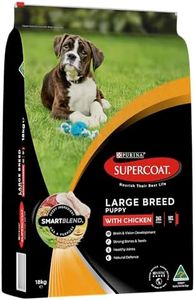
Related Products
Up to 10% off
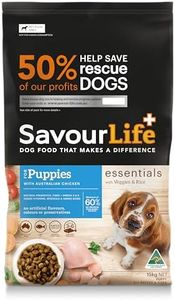

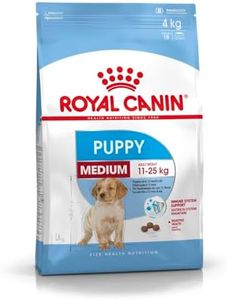
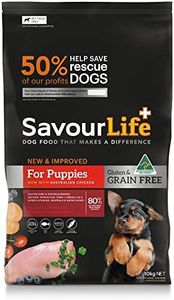
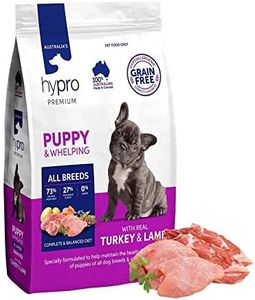
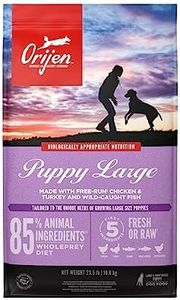

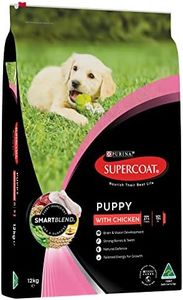
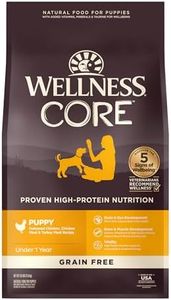
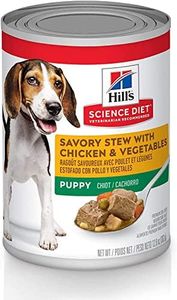


Buying Guide for the Best Puppy Food For Labs
When choosing puppy food for Labrador Retrievers, it's important to understand that your puppy's early nutrition sets the foundation for lifelong health. Labs are energetic, fast-growing, and prone to certain issues like hip dysplasia and obesity, so the right food should support healthy growth without overfeeding. Evaluating puppy food is about more than just grabbing a bag that says 'puppy'; you'll want to read labels and pick food that’s appropriate for your puppy’s breed size, activity level, and any specific health considerations.Protein ContentProtein provides the building blocks for growth and muscle development in puppies. For Labradors, who are large, active dogs, a diet rich in high-quality animal protein is essential. Puppy foods often range from about 22% to over 30% protein. Foods at the lower end (around 22%) are generally adequate for less active or smaller breed puppies, while formulations with 25-30% are better for large, high-energy breeds like Labs. Look for foods where real meat is listed as the first ingredient, and match higher protein numbers to higher energy or rapid growth phases.
Fat ContentFat is a concentrated source of energy and also supplies important fatty acids for healthy skin and coat. Puppy foods typically have fat content in the range of 8% to 18%. For rapidly growing Labradors, look for food in the middle-to-higher end of this spectrum, but be careful—too much fat can speed up growth too much, leading to joint issues. If your Lab puppy is highly active, higher fat is okay; for more calm or slower-growing puppies, a moderate fat amount is best.
Calcium and Phosphorus RatioThese minerals are vital for bone development, which is especially important in large breeds like Labradors prone to joint problems. However, too much or too little can cause health issues. The ideal calcium-to-phosphorus ratio in puppy food for Labs is between 1:1 and 1.5:1, with calcium levels typically around 1-1.5%. Always check that your puppy food is specifically formulated for large breeds, as this ensures the right balance for controlled bone growth.
Kibble Size and TextureBecause puppies are learning to chew and have smaller jaws, the size and hardness of the kibble matter. Large breed puppy foods come in larger, crunchier pieces that encourage slow eating and help clean teeth. Pick a food that matches your puppy’s ability—kibble that is too hard may be difficult for young puppies to chew. As your Lab grows, you may opt for larger sizes for dental benefits.
Nutritional CompletenessA complete puppy food meets all the nutritional requirements for growth without the need for supplements. Look for statements on packaging like 'complete and balanced for growth' to ensure your puppy is getting all the vitamins, minerals, and nutrients necessary. This is especially important for Labs, as nutritional imbalances can affect their growth and development.
Special AdditivesSome puppy foods include extras like DHA (a fatty acid for brain development), glucosamine (for joint health), or probiotics (for digestion). While these aren't strictly required, they can be beneficial for Labs, which are intelligent, energetic, and prone to joint concerns. If your puppy has special needs (like sensitive digestion or family history of joint problems), these additives could sway your decision.