10 Best Reclining High Chairs
From leading brands and best sellers available on the web.By clicking on a link to a third party's website, log data is shared with that third party.

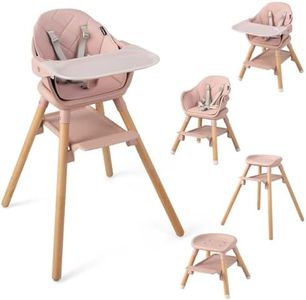
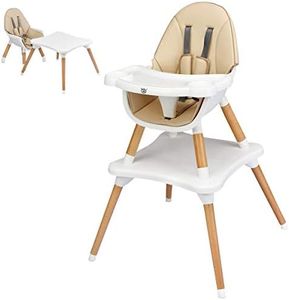
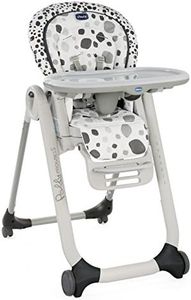
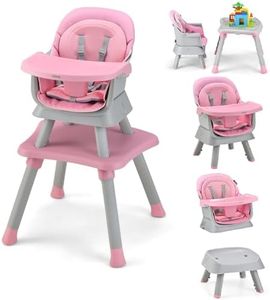
Related Products
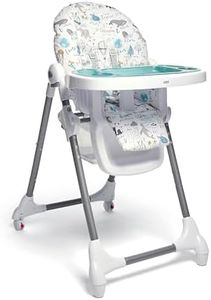
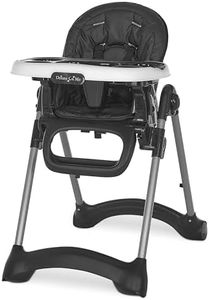
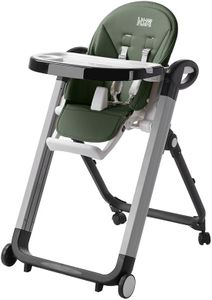

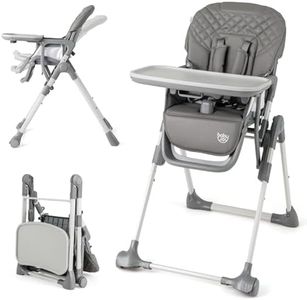
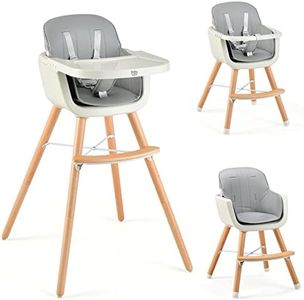
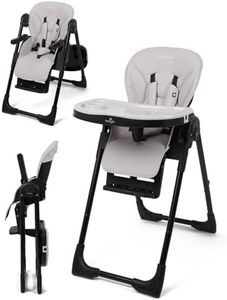
Buying Guide for the Best Reclining High Chairs
Choosing a reclining high chair involves considering both your baby's comfort and your own convenience. These high chairs are designed to support infants and toddlers at meal times, and the reclining feature allows for different seating positions—from bottle feeding younger babies to upright eating for older children. Before you decide, think about how you'll use the chair day-to-day: where it will go, how often you'll need to clean it, and how long your child might use it. Look for a design that fits your lifestyle and offers the adjustability and safety you need as your baby grows.Reclining PositionsReclining positions refer to how far the seat can lean back and how many angle options the chair provides. This is important because younger babies often can't sit upright safely, and a reclined seat can support bottle feeding or allow them to nap. High chairs usually offer anywhere from 2 to 5 recline settings. Chairs with fewer positions are often simple and straightforward, while chairs with more settings give you more flexibility but may be more complex to operate. Choose the number of positions based on your baby’s age and whether you want to use the chair from the newborn stage onward or just for older infants who can already sit up.
AdjustabilityAdjustability means how you can change the height, footrest, or tray position to suit your baby's size and the height of your dining table. A chair with multiple height options can be used at different tables or counters in your home, making it more versatile. If your child is tall for their age or you plan to use the chair for several years, choosing a model with a wide range of adjustments will ensure comfort as your child grows. Prioritize adjustability if you want the chair to adapt to different situations and last longer.
Harness TypeA harness keeps your child secure in the chair. There are commonly 3-point or 5-point harnesses. The 5-point harness offers straps over the shoulders, waist, and between the legs, making it safer for very young or active babies. The 3-point harness secures at the waist and between the legs, which is fine for older toddlers who sit well. Think about your child’s age and activity level: if you have a wiggly or very young child, a 5-point harness is a safer choice.
Ease of CleaningEase of cleaning is all about how simple it is to wipe down the chair and remove food crumbs. Some high chairs offer removable trays and machine-washable seat covers, while others have fewer seams and crevices where messes can get stuck. If you value speed and convenience, or if your child tends to make a lot of mess, a model that’s easy to take apart and clean will save a lot of hassle. Consider your willingness to clean daily and look for features that match your preference.
Foldability & StorageFoldability describes whether the high chair can be collapsed and stored away when not in use. Some high chairs fold flat or into a compact shape, while others are designed to stay out all the time. If you have a small kitchen or dining area, the ability to easily fold and store your high chair can make a huge difference. If space is not a concern or you plan to use the chair often, then foldability may not be as important.
Weight and PortabilityWeight and portability refer to how heavy the chair is and how easily it can be moved from room to room. Lightweight models are easier to shift around but may feel less sturdy, while heavier designs often stay put but can be harder to move. If you plan to use the chair in different parts of your home, or need to travel with it, a lighter and more portable design is beneficial. For stationary use in one place, a sturdier chair may be preferable.