10 Best Recreational Bike Helmets
From leading brands and best sellers available on the web.By clicking on a link to a third party's website, log data is shared with that third party.


Related Products
Up to 15% off

Buying Guide for the Best Recreational Bike Helmets
When shopping for a recreational bike helmet, your main priority is safety, but comfort and style also matter. The ideal helmet blends protection, good fit, and ventilation to keep you safe and comfortable during casual rides. Understanding the key features will help you choose a helmet that's right for your head, your riding habits, and the conditions where you'll be cycling.Safety CertificationsSafety certifications are badges or labels indicating the helmet meets specific safety standards, like CPSC in the US or EN 1078 in Europe. This is important because it means the helmet has been tested and proven to provide adequate protection in the event of a fall or crash. Always check for the certification relevant to your region. If a helmet does not display a recognized safety certification, it's best to avoid it, as safety should never be compromised. Your guiding point simply: never choose a helmet without proper certification, regardless of your riding style.
Fit and SizingFit and sizing refer to how well the helmet sits on your head, which greatly affects both comfort and safety. A helmet that's too loose or tight won't protect you effectively. Helmets come in different sizes, often measured in centimeters or as small, medium, and large. Most have adjustable retention systems (like dials or straps) for a custom fit. To pick the right one, measure around the largest part of your head and compare with the sizing chart provided. Remember, everyone’s head shape is a little different; try on several helmets to find one that feels snug but comfortable.
VentilationVentilation refers to the vents or holes on a helmet that allow air to flow over your head and keep you cool. More vents usually mean better airflow, which is great for warm weather or longer rides, but can make a helmet lighter and sometimes less protective in rare cases. For casual, recreational biking, you'll want a balance: enough vents to keep you comfortable, particularly if you ride in warm conditions, but not so many that the helmet feels flimsy. Let your usual riding environment guide you—more vents for hot climates, fewer if you ride in cooler areas.
WeightHelmet weight is how heavy the helmet feels when you wear it. Lighter helmets are generally more comfortable for longer rides because they put less strain on your neck, but ultra-lightweight isn't always necessary for recreational use. Most standard recreational helmets are reasonably light, offering a good balance of comfort and durability. If you find your helmet feels heavy or uncomfortable after just a short ride, consider looking for a lighter option. Your choice here should be guided by how long you typically ride and your personal comfort preferences.
AdjustabilityAdjustability means the ways you can tweak or change the helmet’s fit, such as adjusting the chin strap or tightening a back dial. Good adjustability ensures the helmet sits properly every time you ride, increasing both safety and comfort. Some helmets offer simple sliding straps, while others feature advanced dial systems for quick and precise adjustments. If you intend to share your helmet between family members, or just want extra comfort, opt for a model with comprehensive adjustability features. Always check that adjustments are easy to make and hold their setting firmly.
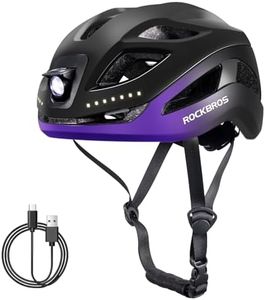
Visibility FeaturesVisibility features on a helmet (like bright colors, reflective elements, or even built-in lights) help make you more noticeable to drivers and other cyclists, especially in low-light or busy areas. This extra visibility is a safety boost, particularly if you ride in the early morning, evening, or shaded paths. If you regularly cycle in areas with traffic or low light, look for these features to enhance your safety. If all your riding is in daylight on quiet paths, they’re less essential but always a nice bonus.
Comfort PaddingComfort padding refers to the soft foam pads inside the helmet, which can improve comfort and help absorb sweat. Some helmets have removable and washable pads, which is helpful if you ride frequently or want to keep things fresh. Thicker or moisture-wicking pads often add to overall comfort. If your head is sensitive or you plan on wearing the helmet for longer rides, look for models with plush, removable, and washable padding.