10 Best Respirator For Chemicals
From leading brands and best sellers available on the web.By clicking on a link to a third party's website, log data is shared with that third party.
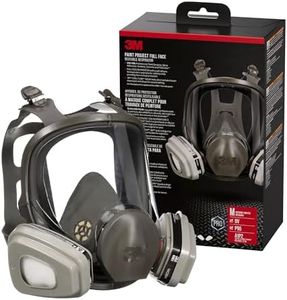
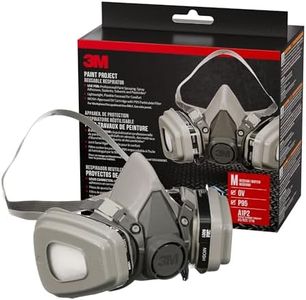
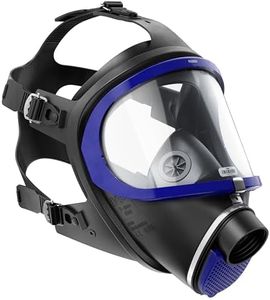

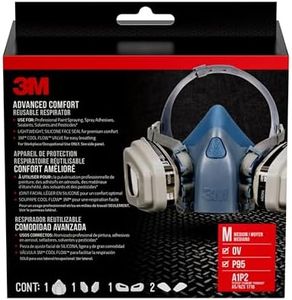
Related Products


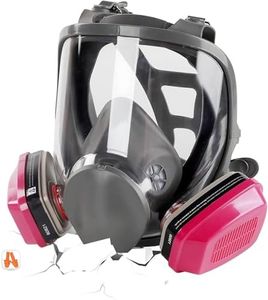
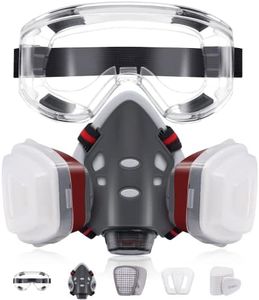
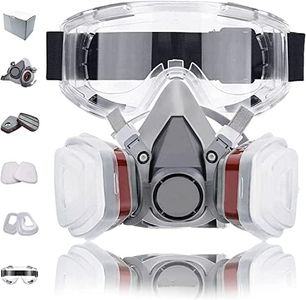

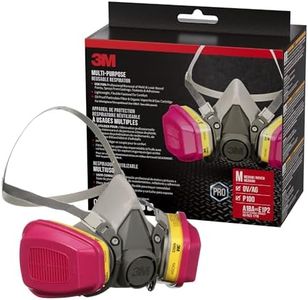
Buying Guide for the Best Respirator For Chemicals
Choosing a respirator for chemicals is an important decision that can directly affect your health and safety. It's essential to understand your specific working environment, as different chemicals and concentrations require different types of protection. The right respirator should provide enough filtration or protection to keep you safe from harmful gases, vapors, and particles, while also being comfortable enough to wear for the duration of your task. Consider where and how long you'll be using it, whether the area is well-ventilated, and what types of chemicals you'll be exposed to. Understanding some key specifications will help you pick a respirator that truly fits your needs.Respirator TypeRespirator type refers to the overall design and how it protects you. The two main types are air-purifying respirators (APRs) and supplied-air respirators. APRs filter contaminants from the air, while supplied-air types provide clean air from an external source. For most chemical tasks outside of highly hazardous environments, APRs like half-face and full-face masks are common. Supplied-air respirators are better for extremely toxic or low-oxygen areas. If you know you'll be working with strong chemicals or in poorly ventilated spaces, leaning toward a full-face or supplied-air system is safest. For occasional, lighter exposures, a half-face APR may suffice.
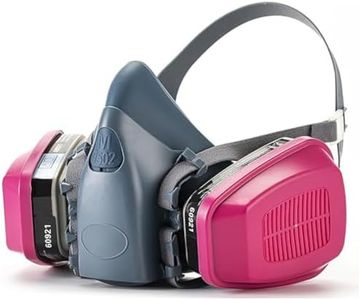
Filter or Cartridge CompatibilityFilters and cartridges are the replaceable parts that clean the air you breathe. Chemical filters are designed for specific vapors and gases, and they often come color-coded for types of chemicals such as organic vapors, acid gases, or ammonia. It's vital to pick a respirator that supports cartridges designed for the exact chemicals you'll encounter. Multi-gas or combination cartridges are available for varied environments but always check compatibility. If you only expect to work with a single type of chemical, a specific cartridge suffices, but for working with many types, look for a unit that uses combo or interchangeable cartridges.
Fit and SizeA good fit ensures that air does not leak around the edges of the mask. Respirators come in various sizes and designs to fit different face shapes. A poor fit compromises the effectiveness of the respirator, regardless of filter quality. It's important to try different models or sizes if possible and perform a seal check as instructed. Individuals with facial hair or glasses may need to pay extra attention. If you plan on wearing the respirator for long periods, comfort and a good seal should be your top priorities; for short-term use, fit is still crucial but might be easier to accommodate.
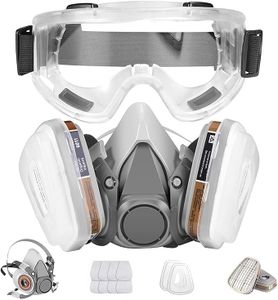
Facepiece CoverageFacepiece coverage refers to how much of your face the mask protects. Half-face respirators cover your nose and mouth, while full-face respirators protect the entire face, including your eyes. Full-face versions provide more comprehensive protection, especially if the chemicals can irritate your eyes or skin. Consider full-face if you are dealing with highly irritating or toxic fumes, splashes, or if you want eye protection built in. Choose a half-face option for lower-risk situations where only breathing protection is needed and separate eye protection is used.
Filter or Cartridge Replacement IndicatorsSome respirators have indicators to signal when it's time to change the filter or cartridge. Others rely on you noticing increased breathing resistance or manufacturer recommendations on replacement timing. Indicators are helpful for ensuring ongoing protection, especially for new users or longer tasks. If you may have trouble tracking usage times or your work can unexpectedly expose you to high concentrations, these indicators add a reassuring layer of safety. For short, predictable jobs, manual tracking may be enough.
Comfort and WearabilitySince you might need to wear a respirator for extended periods, comfort features like soft seals, adjustable straps, and lightweight design make a big difference. Uncomfortable respirators are more likely to be taken off or adjusted improperly, reducing protection. Consider models with padded straps or soft face cushioning if you'll wear the mask for long tasks or in hot environments. For brief use, simpler designs could be suitable, but never compromise too much on comfort, as it affects both safety and usability.