10 Best Reusable Coffee Cups
From leading brands and best sellers available on the web.By clicking on a link to a third party's website, log data is shared with that third party.
Related Products
Up to 30% off
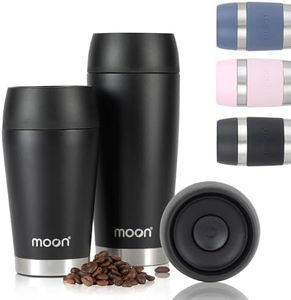
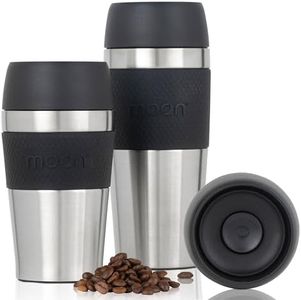
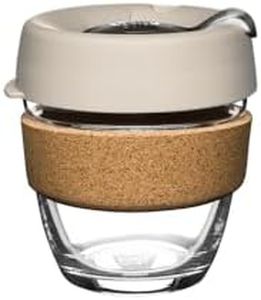
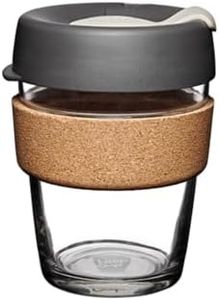
Recommended lists
Top rated
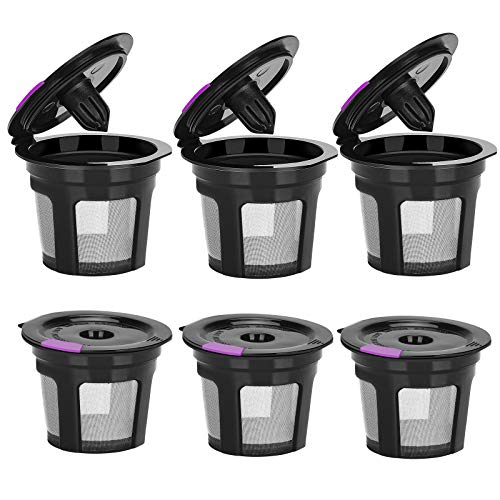
Reusable K Cups
Buying Guide for the Best Reusable Coffee Cups
Choosing the right reusable coffee cup is a smart move for both the environment and your daily routine. When selecting your cup, it's important to focus on features that impact convenience, comfort, and how well the cup keeps your coffee just the way you like it. Understanding the key aspects will help you find a cup that fits your lifestyle—whether you're commuting, working at a desk, or sipping slowly at home.MaterialThe material of a reusable coffee cup is key because it affects insulation, durability, weight, and the taste of your drink. Common options include plastic, stainless steel, and glass. Plastic is lightweight and affordable but may not retain heat well and can affect taste over time. Stainless steel offers excellent insulation and durability, making it ideal for those who like their drinks hot for long periods or tend to drop things. Glass cups provide a pure taste and are easy to clean but are heavier and more fragile. Think about your daily habits: if you’re on the go or need a tough cup, stainless steel may be best; if you value taste and don’t mind a little extra weight, consider glass.
Size/CapacityThe size or capacity of a coffee cup determines how much liquid it can hold and affects portability and convenience. Common sizes range from small (8-10 oz), medium (12-16 oz), to large (18 oz and above). Smaller cups are easy to carry and perfect for espresso or a quick coffee, while medium sizes suit standard coffee servings and balance portability with capacity. Larger cups work for those who like bigger drinks or don’t want frequent refills, but they might be bulky. To choose, think about your typical coffee serving size and how much you want to carry around.
InsulationInsulation refers to how well the cup keeps your drink hot or cold. Some cups are single-walled, offering little insulation and making them more suitable for quick consumption. Others are double-walled or vacuum-insulated, which keep drinks hot or cold for hours and also prevent the outside of the cup from getting too hot or cold to the touch. If you often take your time finishing coffee, want to avoid spills and temperature loss during travel, or if you drink iced beverages, a well-insulated cup is very useful. For those drinking quickly, basic insulation may be enough.
Lid DesignThe lid design matters for spill prevention and ease of drinking. Some lids simply snap on, while others screw on or have locks to prevent leaks. Drinking openings also vary—some have a sipping hole, others a flip top or a push-button mechanism. For people who move around a lot or carry coffee in a bag, a secure leak-proof lid is crucial. If you mostly drink while seated, a simple lid may suffice. Consider your travel habits and preferences for convenience versus security.
Ease of CleaningHow easy it is to clean your cup affects its ongoing use and hygiene. Some cups are dishwasher safe, while others need handwashing. Cups with fewer parts and wide openings are easier to clean by hand. More complex mechanisms or narrow openings can trap residue over time. If you dislike handwashing or want convenience, look for dishwasher-safe options or simple designs. For thoroughness and regular use, make sure it’s easy to take apart and clean all components.
Grip and ComfortGrip and comfort focus on how the cup feels in your hand and how easy it is to hold. Some cups come with silicone or rubber sleeves for extra grip and to protect your hand from heat, while others have textured surfaces or handles. The best choice depends on whether you value a lightweight cup you can easily grip, need protection from hot surfaces, or prefer the classic mug feel. Consider how you’ll carry the cup and if you want added comfort or protection.