10 Best Roadside Emergency Car Kits
From leading brands and best sellers available on the web.By clicking on a link to a third party's website, log data is shared with that third party.
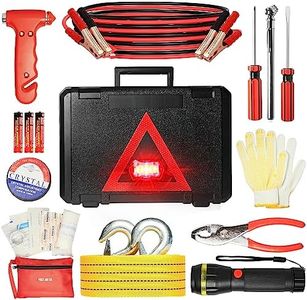
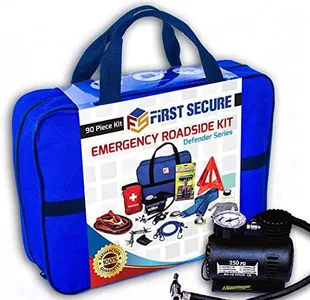
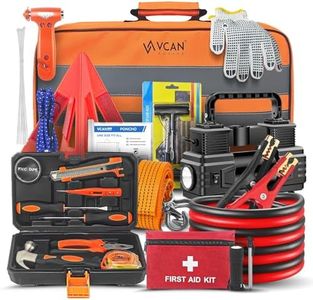
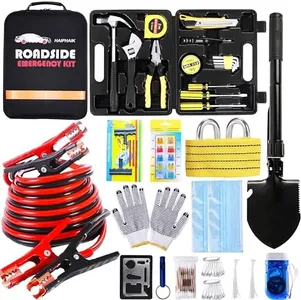
Related Products
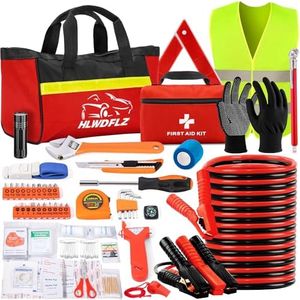
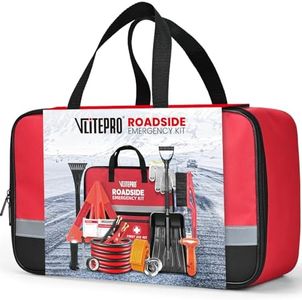

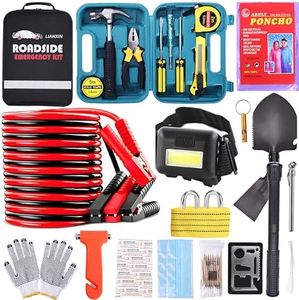
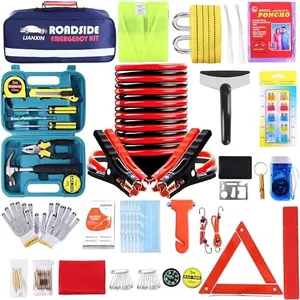
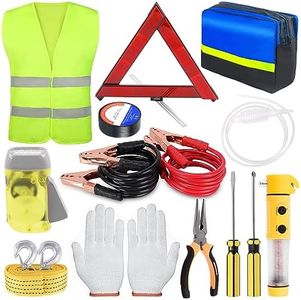
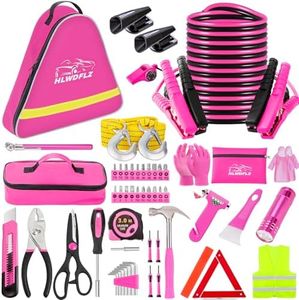
Buying Guide for the Best Roadside Emergency Car Kits
Selecting a roadside emergency car kit is all about being prepared for unexpected situations when you’re on the road. The right kit can help you deal with breakdowns, flat tires, or even minor injuries until proper help arrives. When shopping for a roadside emergency kit, it's important to consider what situations you may realistically encounter and who will be using the kit. The best kit gives you peace of mind without being too bulky or missing any crucial items.Contents & EssentialsThe contents of a roadside emergency kit refer to the range of tools and supplies included, like jumper cables, first aid items, flashlights, reflective triangles, and tire repair tools. This is an essential factor because a more well-stocked kit means you’re equipped for a variety of situations. Kits range from very basic (with just a few items) to comprehensive (with many different tools and aids). If you’re only worried about minor inconveniences, a smaller kit may suffice. However, if you travel long distances or drive in remote areas, choose a kit with more comprehensive contents to handle a wider array of emergencies.
Portability & SizePortability and size relate to how easy it is to store and carry the kit in your car. Kits can be compact (easy to stash under a seat or in a small trunk space) or large (requiring more room but providing more tools). If space in your car is limited or you move the kit between vehicles, a smaller, more portable kit might be best. For those with bigger vehicles or who want to be prepared for all scenarios, a larger kit may be worth the extra space it takes up.
Quality of ComponentsThe quality of components refers to how well-made and durable the tools and supplies in the kit are. This matters because low-quality items may fail when you need them most. Kits can have basic, budget-quality items or more robust, heavy-duty tools. Consider your likely usage: if you want items that last through frequent use or harsh conditions, look for a kit known for sturdy and reliable components. If your main concern is emergency backup and only occasional use, basic quality may be acceptable.
First Aid SuppliesFirst aid supplies in a roadside kit determine how well you can handle minor medical issues until help arrives. Kits may offer minimal aid (bandages and some wipes) or more complete medical supplies (antiseptics, scissors, and a wider variety of bandages and medical tools). If you drive with children, elderly people, or in remote areas, more comprehensive first aid options are a wise choice. For short commutes in urban areas, basic first aid may be enough.
Visibility and Safety ItemsVisibility and safety items include things like reflective triangles, high-visibility vests, flares, or LED lights that make you and your vehicle visible to others, especially in low-light conditions. These are important for protecting yourself from oncoming traffic if you break down on the roadside. Kits with only minimal or small reflectors suit city driving where lighting is good, while those who drive at night, on highways, or in rural areas should prioritize kits with larger, more visible safety items.
Ease of UseEase of use relates to how straightforward it is to use the items in the kit, particularly in stressful or urgent situations. Some kits come with instructions or are designed for simple, intuitive use. If you aren’t mechanically inclined or are buying for someone who may be new to car maintenance, look for kits that include clear instructions and user-friendly tools to make dealing with emergencies less intimidating.