10 Best Roasting Pans With Lid
From leading brands and best sellers available on the web.By clicking on a link to a third party's website, log data is shared with that third party.



Related Products
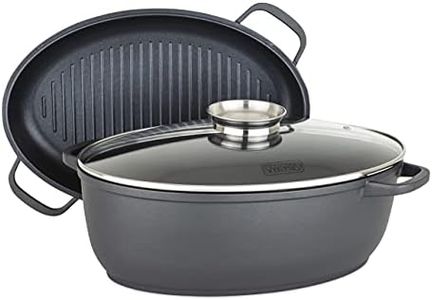
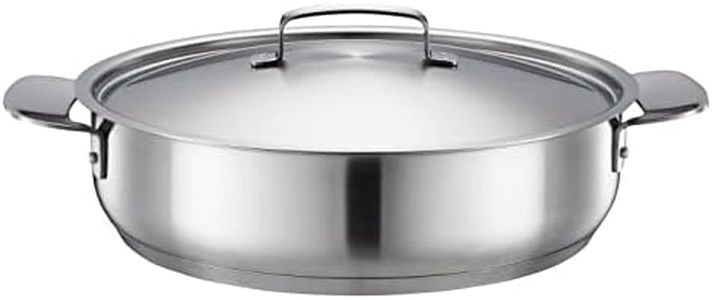

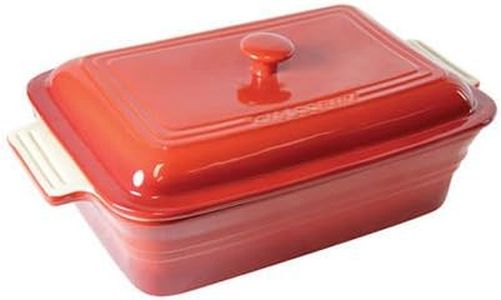




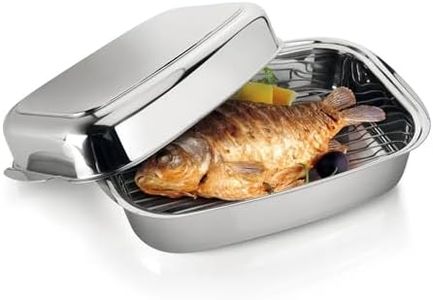
Buying Guide for the Best Roasting Pans With Lid
Choosing the right roasting pan with a lid can truly elevate your cooking, making it easier to produce delicious roast meats, vegetables, and even casseroles. The right pan will efficiently transfer heat, offer versatility, and its lid will help retain moisture and flavor during cooking. By understanding the key specifications, you’ll match a roasting pan to your kitchen, cooking style, and typical meal sizes, ensuring it meets your needs for years to come.MaterialThe material of a roasting pan affects how evenly it cooks food and how durable it is. Common materials include stainless steel, aluminum, cast iron, and enameled steel. Stainless steel pans tend to be lightweight, resist rust, and avoid reacting with acidic foods, making them a solid all-around choice. Aluminum heats quickly and evenly but is usually less durable unless it has a nonstick or anodized coating. Cast iron provides excellent heat retention for slow roasting, and if enameled, it’s easy to clean and resists rust. When choosing the material, consider what and how often you roast—go for stainless steel or enameled cast iron if you want longevity and the easiest cleaning.
Size and CapacitySize is measured by the length and width of the pan, while capacity refers to how much food it can hold—often expressed in quarts or as an indication of what size bird it can accommodate. Small pans (around 14 inches or less) are best for small families or single-person meals. Medium pans (15-16 inches) suit most households, fitting up to a 12-14 pound turkey. Large pans (17 inches or more) are for big gatherings or whenever you roast large turkeys or multiple items together. Base your choice on the number of people you commonly cook for; a pan that’s too big can result in juices burning, while too small won’t fit your food comfortably.
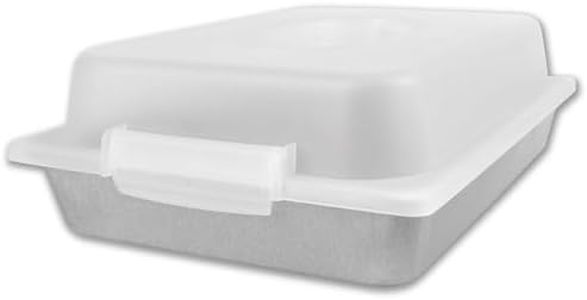
Lid DesignThe lid matters because it retains moisture and can help food cook more evenly. Some lids are domed, providing extra space for large cuts and encouraging heat circulation; others are flatter, which helps with browning and can sometimes serve as a second pan. Some are transparent so you can monitor food, while most are solid and made from the same material as the pan. If you often cook meats that dry out, a well-fitting lid is essential; pick one with a dome for flexibility or with self-basting bumps inside if you want to skip frequent basting.
HandlesHandles should be sturdy, easy to grip, and ideally large enough to grab with oven mitts. Some pans offer riveted handles, which are stronger and longer-lasting, while others have fold-down or integrated handles for saving storage space. If you prioritize safety and ease of lifting, especially when handling heavy dishes, seek out a pan with large, firmly attached handles.
Versatility and Oven CompatibilityCheck whether the pan is compatible with stovetops (for making gravy right in the pan) and safe for use under a broiler or on induction burners. Some pans are designed only for oven use, while others offer multi-surface compatibility. If you like deglazing or making sauces directly in the pan, or if you use various cooking surfaces, make sure to check for this feature.
Ease of CleaningA roasting pan’s surface determines how easy it is to clean. Nonstick coatings help prevent burnt-on food but can wear over time and may require gentle utensils. Stainless steel and enameled surfaces are usually dishwasher safe and easier to scrub. If frequent cleaning is a concern, nonstick or enameled pans are often the best options for low-maintenance care.