10 Best Robot Vacuums And Mop
From leading brands and best sellers available on the web.By clicking on a link to a third party's website, log data is shared with that third party.
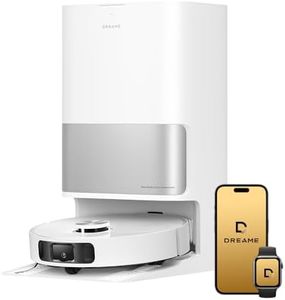
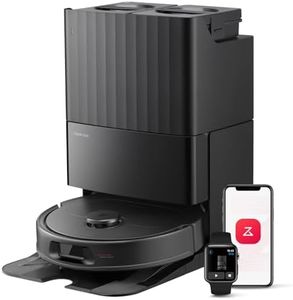
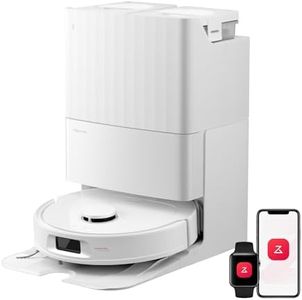
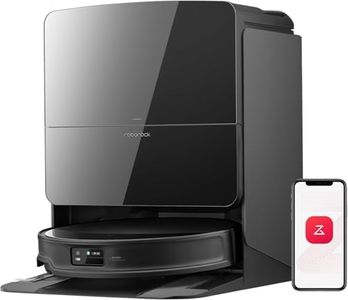
Related Products
Up to 49% off
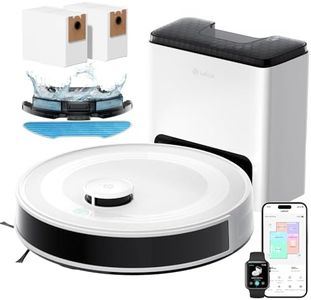
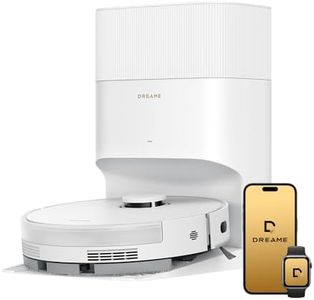
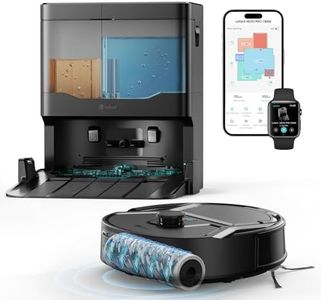
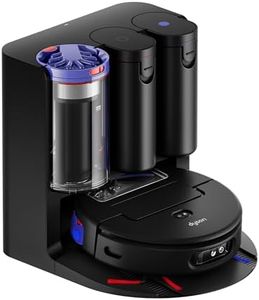
Buying Guide for the Best Robot Vacuums And Mop
When choosing a robot vacuum and mop, it's important to match the capabilities of the device to your home's needs and your lifestyle. Think about the layout and size of your home, the type of flooring you have, and how often you need to clean. Some models excel at basic dust pickup, while others offer true hands-free mopping and advanced mapping features. Before deciding, consider whether you want more automation, higher cleaning performance, or easier maintenance. Always check compatibility with your home—things like thresholds, rugs, and delicate floors matter. By understanding the key features, you can find a robot that keeps your floors clean with minimal effort.Suction PowerSuction power refers to how strongly the vacuum can pick up debris from your floors. It's important because higher suction generally means more effective cleaning, especially on carpets or with pet hair. Suction is usually measured in Pascals (Pa), and robots might offer a range from around 1000 Pa for basic models up to over 4000 Pa for heavy-duty cleaning. For mostly hard floors and light dust, lower suction is fine. For homes with rugs, carpets, or pets, stronger suction is better. Think about your specific cleaning needs: do you have lots of fluffy carpets or mostly hardwood? This will guide you to the right level of suction.
Mopping FunctionalityThe mopping feature allows robots to clean hard floors with water, sometimes combined with cleaning solutions. The effectiveness varies—some use simple damp cloths while others have vibrating or spinning mop pads. If you want a quick light wipe-down after vacuuming, a basic mopping system is enough. For scrubbing stuck-on stains or keeping floors truly spotless, look for models with active scrubbing or pressurized mops. Consider whether you need mopping for routine cleaning or only for occasional spills, and be aware if your floors are water-sensitive, as some robots allow you to control the dampness or avoid certain areas.
Navigation and MappingNavigation refers to how the robot finds its way around your home. Basic models roam randomly, while advanced ones use lasers or cameras to map your space and plan efficient cleaning routes. Good navigation is important for thorough cleaning and avoiding obstacles or getting stuck. Mapping features allow you to set virtual boundaries or select specific rooms to clean. If you have a complex, multi-room home, advanced mapping plus virtual controls are a huge help. In small open spaces, simple navigation is often sufficient. Assess how much control and precision you want in your robot's cleaning paths.
Battery Life and RechargeBattery life determines how long the robot can clean before returning to its dock to recharge. This is crucial for larger homes, as a longer battery means more area covered in one session. Most robots run between 60 and 180 minutes per charge. Some can recharge and automatically resume cleaning, which is useful for big or multi-story homes. If you have a smaller space, any standard battery is likely to suffice, but choose a longer runtime if you want truly hands-off operation across large areas.
Dustbin and Water Tank CapacityThe dustbin holds debris, while the water tank stores liquid for mopping. Larger bins and tanks mean less frequent emptying or refilling, which is more convenient in bigger homes. For smaller apartments or frequent cleaners, a compact capacity is enough. If you want to avoid daily maintenance, look for larger tanks or automated emptying stations. Match the capacity to your typical mess level and how often you want to do maintenance.
Floor Type CompatibilityNot all robot vacuums and mops are safe or effective on every floor type. Some are better suited for hard floors, others for carpets, and some can handle both. If your home is mostly hardwood, tile, or laminate, most robots will work fine. For thick carpets, make sure the vacuum has strong suction and a motorized brush. If you have delicate wooden floors, ensure the mop function allows control over water flow. Check what mix of floors you have and choose a robot that can safely and efficiently clean your surfaces.
Smart Features and App ControlSmart features include scheduling, remote control via phone apps, voice assistant compatibility, and customization of cleaning areas or modes. These features can make operation much easier, especially if you want to schedule cleaning when you're not home or customize for different rooms. If you prefer set-it-and-forget-it convenience or like integrating gadgets into your smart home system, choose a model with app and voice features. For minimal, button-based control, a simpler model is fine.
Maintenance and Self-CleaningMaintenance covers tasks like emptying bins, cleaning filters, and changing mop pads. Some robots now offer self-emptying bins or self-cleaning mops, reducing the hands-on work required. If you dislike regular robot upkeep, look for devices with higher automation. Consider how much time you're willing to spend maintaining the robot, and if you have allergies, opt for self-emptying features that minimize dust exposure.