10 Best Robot Vacuums With Mop
From leading brands and best sellers available on the web.By clicking on a link to a third party's website, log data is shared with that third party.
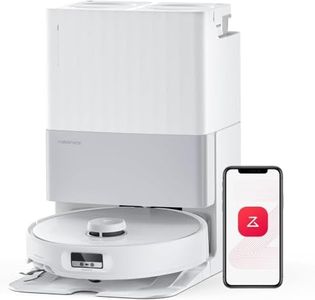
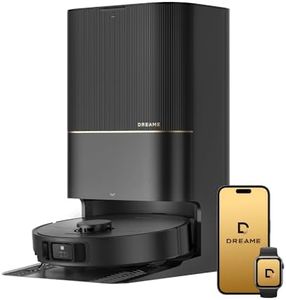
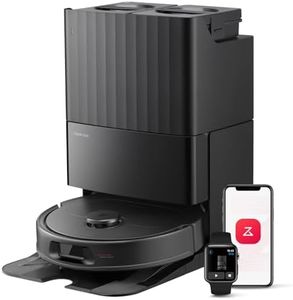
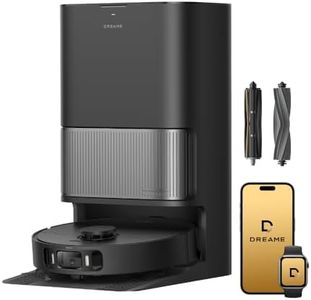
Related Products
Up to 60% off
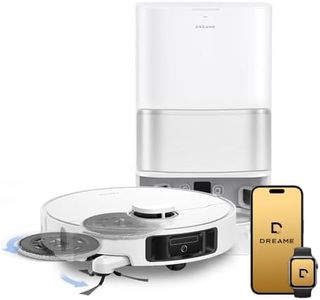
Buying Guide for the Best Robot Vacuums With Mop
Shopping for a robot vacuum with a mop can be both exciting and confusing because there are so many features and choices. It's important to start by understanding your own cleaning needs and the type of floors in your home. Think about how often you want to use the robot, the kind of dirt or messes you have, and any special requirements, like dealing with pet hair or allergies. Knowing these basics helps you focus on what's valuable for you, instead of being distracted by fancy extras that you might never use. The best way to choose is to compare the key features and understand what they mean for your daily life.Suction PowerSuction power tells you how strongly the vacuum can pick up dirt and debris. It's especially important if you have carpets or pet hair, because a stronger motor helps pull up more from deep fibers. You'll often see this measured in pascals (Pa). Lightweight use, such as just dust and crumbs on hard floors, may only need basic suction, but thick rugs or lots of shedding pets call for higher suction. Consider your flooring and the kind of messes you regularly face—if you mainly have hard floors and little dirt, you don't need the highest setting.
Mopping System TypeThere are different mopping systems in robot vacuums—some just drag a wet cloth, while others use vibrating or spinning actions for deeper cleaning. Basic wipe mops are good for surface dirt and light stains, but if you often have sticky spills or dried messes, a robot with an active scrubbing mop will do a better job. Think about your lifestyle: if you have children or kitchens with frequent spills, a more advanced system might be worth it.
Navigation and MappingNavigation and mapping refer to how well the robot finds its way around and remembers your home’s layout. More basic models wander randomly, which can mean missed spots, while advanced ones use lasers or cameras for systematic, thorough cleaning. If your home has lots of rooms or furniture, smarter mapping saves time and keeps the robot from getting stuck. People with open floor plans or simple spaces might be fine with basic navigation, but complex homes benefit from precise mapping.
Water Tank CapacityThe water tank size determines how long the robot can mop before it needs to be refilled. Smaller tanks may require frequent attention if you have lots of hard flooring, while larger ones can clean more space at once. Think about the size of your home and how much mopping you need—if you have only a small kitchen or bathroom, a compact tank is enough. For larger areas or whole-house mopping, a bigger tank saves you trips to refill.
Floor Type CompatibilityNot all robots are equally good on every surface; some mop better only on tile, while others are safe for wood or laminate. It’s important because certain water systems or scrubbing motions can damage delicate floors. Check what your robot is designed for—if you have mixed or sensitive floors, be sure the mop can either be adjusted or is marked as safe for those surfaces. Match the vacuum’s features to your home’s actual flooring.
App Controls and SchedulingApp controls let you start, stop, and schedule cleanings from your phone, and can also let you set no-mop or no-vacuum zones. Advanced controls are more convenient if you have specific times or places you want cleaned, or want notifications about finished jobs. If you like hands-off automation and tech, look for models with smartphone or smart home integration. For those who just want a robot that runs at the press of a button, simpler controls are fine.
Automatic Dirt DisposalSome robot vacuums come with docks that automatically empty the dustbin, so you don’t have to do it after every run. This is handy if you don’t want to handle dust often or have allergies. People busy or away from home might find this feature very convenient, but for occasional use or homes with less dirt, manual emptying isn't too much trouble.
Battery Life and ChargingBattery life tells you how long the robot can clean before needing to recharge. Large homes or heavy messes need longer running time, so look at runtimes and whether the robot can return to its dock, recharge, and continue cleaning automatically. Small apartments or light cleaning needs don’t require the longest battery, but for bigger spaces, longer is better.
Carpet RecognitionCarpet recognition helps a robot avoid mopping areas with carpet or rugs, preventing wet messes. Some robots lift the mop when on carpet, others just skip those spaces. If you have lots of mixed flooring or are worried about wetting carpets, pick a robot with smart carpet recognition to keep your floors safe.