10 Best Robotic Vacuum And Mop Combos
From leading brands and best sellers available on the web.By clicking on a link to a third party's website, log data is shared with that third party.
Related Products
Up to 57% off

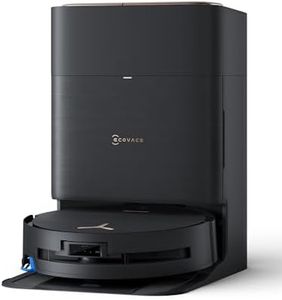
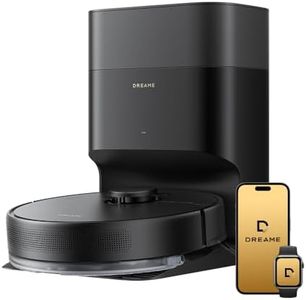
Buying Guide for the Best Robotic Vacuum And Mop Combos
Choosing a robotic vacuum and mop combo is all about finding a balance between cleaning power, convenience, and features that match your lifestyle. These devices can save you a lot of time by tackling both vacuuming and mopping automatically. It's important to think about the size of your home, the types of floors you have, and whether you have pets or allergy concerns. Understanding the key features will help you select a model that keeps your floors clean with minimal effort.Suction PowerSuction power is a measure of how strongly the robot can suck up dust, dirt, and debris from your floors. Higher suction power tends to provide better cleaning, especially on carpets or for pet hair. You might see suction power measured in Pascals (Pa). Lower values, like under 1500Pa, are adequate for mostly hard floors and light messes, while values around 2000-3000Pa or more are better for thick carpets or homes with lots of pet hair. Consider your type of flooring and cleaning needs; if you have mostly hard floors and light daily dirt, lower suction is enough, but families and pet owners with lots of carpet will appreciate more powerful robots.
Mopping MethodRobotic mop combos generally use one of two methods: a simple wet cloth dragged behind or a mop with electronic water control and even scrubbing actions. Basic mop systems are suitable for light, regular maintenance, typically on hard floors with minimal stains. Advanced systems with water tanks, vibrating or rotating mops, and adjustable water output are much better for tackling sticky spots or larger spills. If your floors just need frequent dusting and a quick wipe, basic mopping works fine. Households with a lot of foot traffic or kitchens may prefer more advanced mopping functions.
Navigation SystemNavigation determines how methodically and efficiently the robot moves around your home. Simple random navigation bounces around until all areas are eventually covered, while advanced robots use sensors, cameras, or even lasers to map rooms and work in logical patterns. Mapping robots can clean faster, cover all areas more thoroughly, and are less likely to miss spots or get stuck. If you have a large or multi-room space, or want precise cleaning, choose a robot with a smart navigation system. For small, open spaces, a less sophisticated model may suffice.
Battery Life & RuntimeBattery life directly impacts how much space the robot can clean before needing to recharge. Short runtimes (under an hour) are fine for apartments or small areas, while longer runtimes (100 minutes or more) suit larger homes where the robot needs to cover more ground in one session. Some models can recharge and resume, which means they go back to their dock, charge up, and continue where they left off. Consider the size of your area; if it's large or you don’t want interruptions, prioritize longer runtime or recharge-and-resume features.
Dustbin and Water Tank CapacityThe dustbin holds vacuumed debris and the water tank holds mopping water. Larger bins and tanks mean less frequent emptying and refilling, which is convenient for bigger homes or homes that need frequent cleaning. Small capacities require more maintenance, but may be enough for homes with minimal dirt or daily vacuuming. Think about your cleaning habits and the size of your home; if you want to minimize manual maintenance, larger capacities make life easier.
Floor Type CompatibilitySome robotic vacuums and mops are better suited for certain types of floors. All can handle hard floors like wood, laminate, or tile, but not all are effective or safe for carpets or rugs—especially when mopping. If you have a mix of floor types, look for a model that can automatically identify and avoid carpets while mopping, or allows you to set no-mop zones. Consider your home's flooring and pick a model that can clean effectively without damaging any surfaces.
App and Smart Home IntegrationMany robotic vacuum and mop combos come with smartphone apps that let you control scheduling, cleaning modes, and monitor progress. Integration with smart assistants (like Alexa or Google Assistant) adds hands-free voice command convenience. If you like having remote control and scheduling flexibility, or want to include the robot in a smart home system, look for models with app and voice assistant compatibility. If you prefer simplicity, basic button controls on the robot itself may suffice.
Noise LevelNoise level is how loud the robot is when operating. Quieter models allow you to run the robot without disturbing conversations or naps, which is especially important in homes with children, pets, or for people working from home. Noise is typically measured in decibels (dB), with quieter robots in the 50-60dB range, and louder ones above 65dB. Choose based on your tolerance for background noise and when you plan to run your robot.