10 Best Rose Pruning Shears
From leading brands and best sellers available on the web.By clicking on a link to a third party's website, log data is shared with that third party.
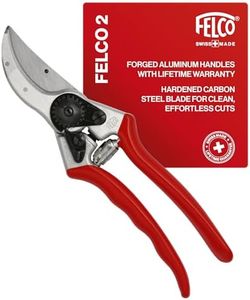
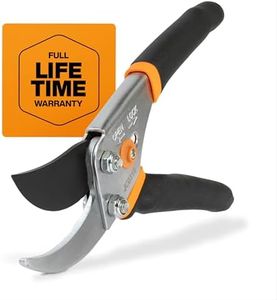
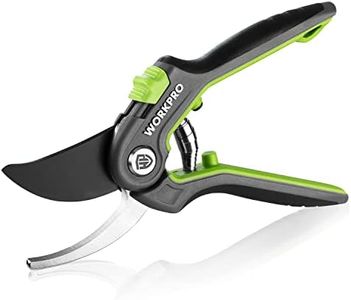
Related Products
Up to 15% off
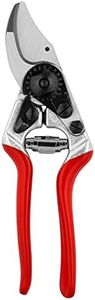
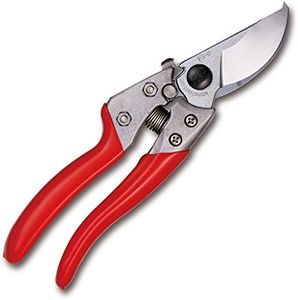
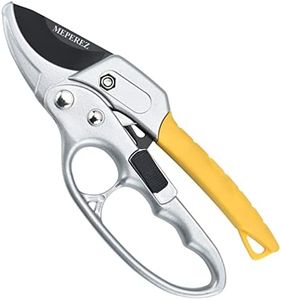
Buying Guide for the Best Rose Pruning Shears
Choosing the right rose-pruning shears makes gardening not only easier but also keeps your plants healthier and improves your comfort while you work. The ideal pruners will give you clean cuts, be comfortable in your hand, and last for many seasons. It's important to consider your hand size, strength, type of roses, and how often you prune when picking the right tool. Understanding the key features will help you find pruners that suit your unique gardening needs.Blade TypeThe blade type determines how the shears cut through branches and stems. There are two main types: bypass and anvil. Bypass blades have two curved blades that pass by each other like scissors, making them ideal for clean, precise cuts on living stems which helps the plant heal faster. Anvil blades have a single straight blade that closes onto a flat surface, better for dry or dead wood but can crush softer stems. If you mostly trim fresh growth and want neat cuts, bypass is usually best. If you deal with thicker, woody or dead stems, you might want anvil shears.
Blade MaterialThe material of the blade affects sharpness, durability, and rust resistance. Common materials include stainless steel, carbon steel, and sometimes titanium-coated blades. Stainless steel resists rust and is easy to maintain but sometimes dulls faster. Carbon steel can hold a sharper edge but may rust if not cleaned and dried after use. Titanium-coated blades combine rust resistance with lasting sharpness. For most home gardeners, stainless or titanium-coated are good, low-maintenance options, but if you’re meticulous about care, carbon steel is excellent for long-lasting sharpness.
Handle Design and ComfortHandle design greatly influences how comfortable the shears feel during use. Look for ergonomic handles that fit comfortably in your hand, sometimes made with non-slip or cushioned grips to reduce fatigue. Some handles are sized for smaller or larger hands. If you have hand weakness or expect long pruning sessions, softer and ergonomically shaped handles will keep you comfortable for longer. Try to match handle size to your hand, and if possible, test the grip before buying.
Cutting CapacityThis refers to the maximum diameter of a branch that the shears can cut through efficiently and cleanly. Most rose-pruning shears are best for thin to medium stems (about ½ inch thick), but some can handle slightly thicker branches. If you’re pruning only delicate rose stems, a smaller cutting capacity is fine and may allow for more precise cuts. If you need to cut older, thicker growth, choosing a pruner with a larger capacity is helpful to avoid damaging the tool or the plant.
Safety FeaturesMany pruning shears come with safety features like locking mechanisms to keep the blades closed when not in use. This helps prevent accidental cuts or damage when storing the tool. Some have easy-to-operate thumb-locks. If you have children around or plan to carry your shears in your pocket or apron, look for a pruner with a reliable and simple lock.
Ease of MaintenanceHow easy it is to clean, sharpen, and maintain your shears affects how long they last and how well they perform. Some shears can be taken apart for thorough cleaning and sharpening, which is great for long-term use. Replaceable parts like springs and blades make maintenance easier. If you want your shears to last for years, look for models that are simple to maintain and come with availability of spare parts.