10 Best Running Shoes For Women
From leading brands and best sellers available on the web.By clicking on a link to a third party's website, log data is shared with that third party.
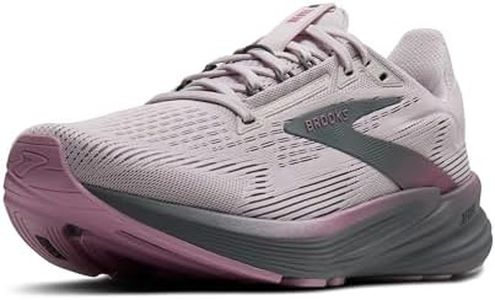
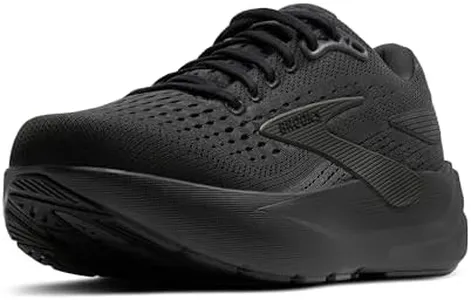
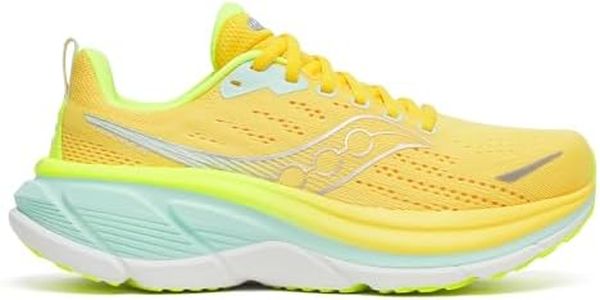
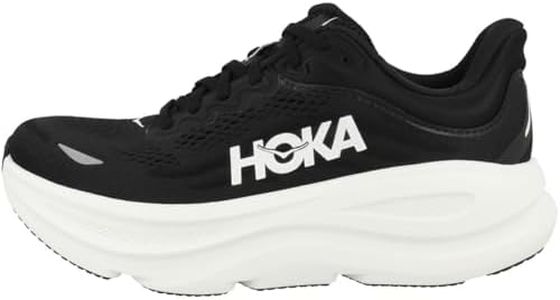
Related Products
Up to 22% off

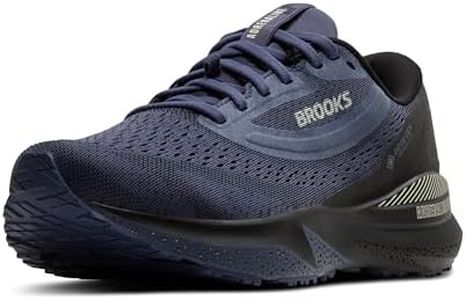
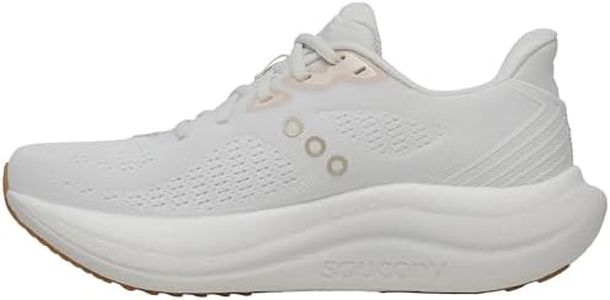
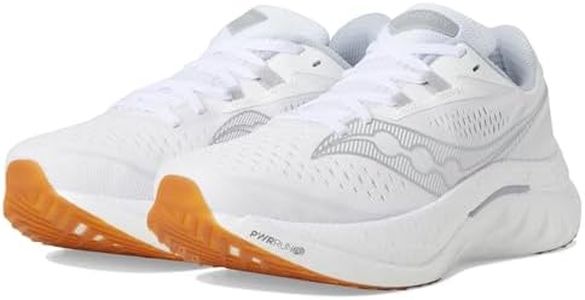
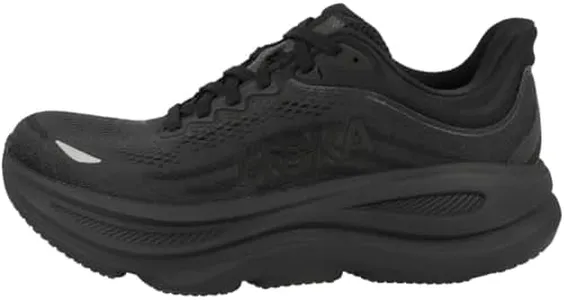
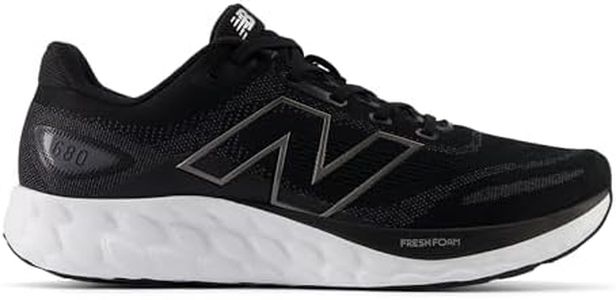
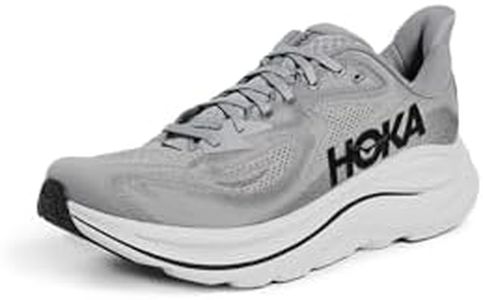
Buying Guide for the Best Running Shoes For Women
Choosing the right running shoes for women is crucial for both comfort and performance, as well as injury prevention. The best pair will cater to your unique foot shape, the type of running you do, and your preferences for fit and feel. When shopping, it's essential to think carefully about where you’ll be running, how often, and your own foot mechanics. By understanding the most important features, you’ll be able to select shoes that keep you comfortable and help you reach your goals.CushioningCushioning refers to the padding built into the sole of the shoe that absorbs impact when your foot hits the ground. It is important because it can protect your joints and muscles from stress and provide comfort over long distances. Shoes vary from minimal cushioning, which is preferred by runners who like a close-to-ground feel, to maximum cushioning that is best for those who want extra softness and shock absorption. If you’re running long distances, or if you have joint sensitivities, opting for more cushioning might be ideal. For short runs or a more responsive feel, you may prefer lighter cushioning.
Arch SupportArch support is the part inside the shoe that supports the shape of your foot’s arch. It's important because feet come in different arch types: flat, neutral, and high. Proper support helps with stability and reduces the risk of pain or injury. If you have flat feet, look for shoes with structured arch support, whereas those with high arches might need shoes with softer, more flexible support. Knowing your own arch type—often determined by a professional fitting or a simple wet foot test—will guide you to the right choice.
Heel-to-Toe DropHeel-to-toe drop is the difference in height between the shoe’s heel and forefoot. This spec impacts how your foot strikes the ground. Lower drops (0-4mm) encourage a more natural running gait and are often preferred by seasoned runners or those practicing forefoot striking. Higher drops (8-12mm) offer extra heel cushioning, which can benefit beginners or heel strikers. Recognizing your running style and comfort preferences will help you choose the most suitable drop.
Fit and SizingFit and sizing involve how well the shoe matches the shape and length of your foot. Getting this right is critical, as too tight shoes can cause blisters, while too loose ones may lead to instability. Some shoes are designed narrower or wider, so be aware of your foot's width as well as length. Always try on shoes at the end of the day, when your feet are largest, and check for enough room in the toe box; about a thumb’s width of space at the end is ideal. Choosing a fit tailored to your foot shape ensures comfort and prevents problems during runs.
Outsole GripOutsole grip concerns the traction provided by the bottom of the shoe. This matters because running conditions vary—smooth pavement, rugged trails, or a mix. Road shoes usually have smoother soles for even surfaces, while trail shoes feature aggressive lugs for better grip on mud, rocks, or gravel. Consider where you’ll run most often and pick accordingly. The right outsole will keep you stable and confident on your chosen terrain.
BreathabilityBreathability indicates how well the shoe allows air to circulate around your foot. This is important for comfort, especially in warmer climates or during long runs, as it helps keep your feet cool and dry, reducing blisters and odor. Shoes with mesh uppers offer great breathability. If you often run in hot weather, prioritize this feature; for colder or wet conditions, you might want a less airy, more water-resistant upper.