10 Best RV Air Conditioning Units
From leading brands and best sellers available on the web.By clicking on a link to a third party's website, log data is shared with that third party.
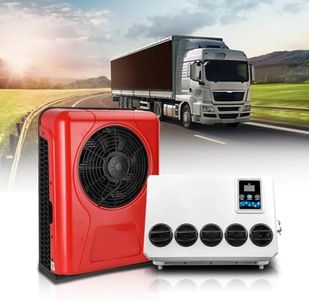
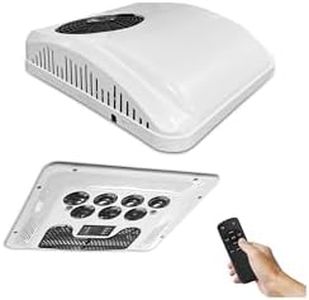
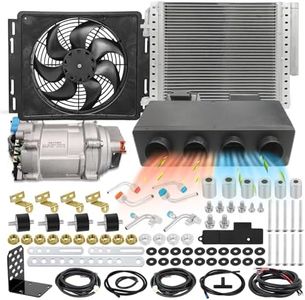
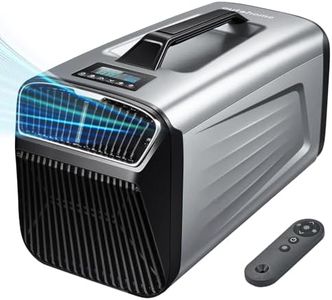
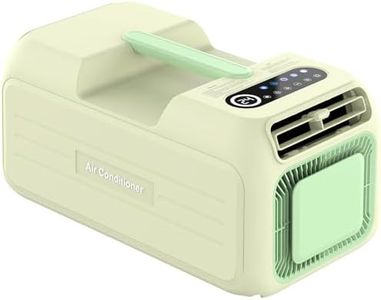
Related Products
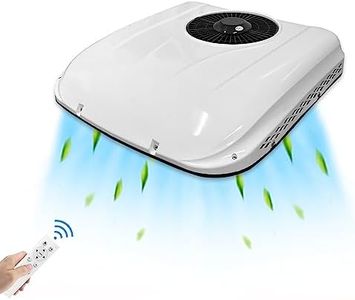
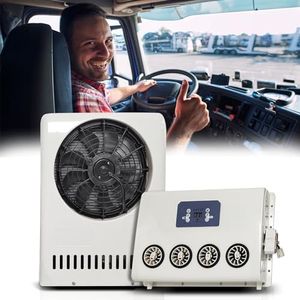
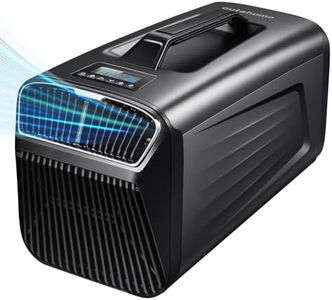

Buying Guide for the Best RV Air Conditioning Units
Choosing the right RV air conditioning unit makes a big difference in your comfort on the road. The goal is to find a unit that keeps you cool during hot days but also matches your RV’s size, electrical capabilities, and your travel style. When shopping, consider both your RV’s space and how and where you plan to travel. The right combination will let you enjoy your adventures without worrying about overheating or overtaxing your RV’s systems.Cooling Capacity (BTUs)Cooling capacity, measured in BTUs (British Thermal Units), tells you how powerful the air conditioner is in terms of the amount of heat it can remove from the air per hour. RV AC units generally range from about 9,000 to over 15,000 BTUs. Lower BTU units are lighter and use less electricity but may not adequately cool large or poorly insulated spaces. High BTU units can cool larger spaces well but tend to draw more power and may be overkill for small RVs. To pick the right cooling capacity for you, consider the size of your RV, your typical travel destinations (hotter climates may call for more power), and how well your RV is insulated. A good match will efficiently keep your space comfortable without wasting energy.
Power ConsumptionPower consumption refers to how much electricity the unit needs to operate, usually measured in watts or amps. This is vital because RVs have limited electrical capacity. Units with lower power use are easier to run on smaller generators or when hooked up to less powerful campsites. High-consumption models may need special wiring or stronger generators. To select the best for your setup, check your RV’s electrical capacity and make sure your chosen air conditioner won’t overload your system during use, especially if you like to use other appliances at the same time.
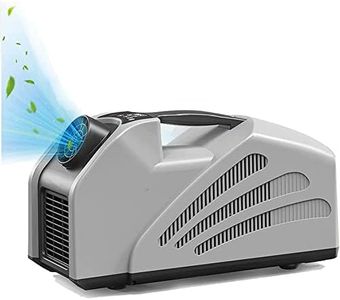
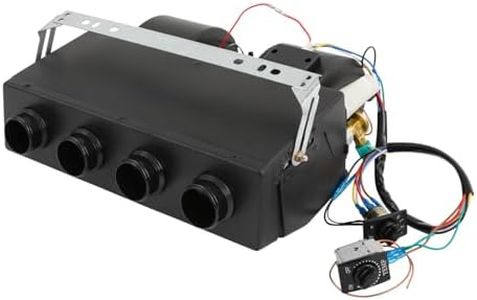
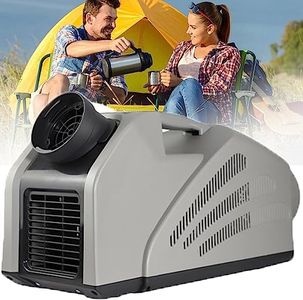
Install Type (Rooftop vs. Portable vs. Under-Bench)This spec describes where and how the unit is installed. Rooftop units are most common and save floor space but add height and require a sturdy roof opening. Portable units can be moved where needed and don’t require permanent installation, good for renters or those wanting flexibility, but they might take up valuable floor area. Under-bench units fit under seats or cabinets and help in RVs with low roofs or unique layouts, though they may have more complex installation needs. Think about your RV’s design, how you use your space, and whether ease of movement or permanent installation better fits your lifestyle.
Noise LevelNoise level refers to how much sound the unit makes during operation, often measured in decibels. Loud air conditioners can disturb sleep or social time, which matters in the compact RV setting. Some units are designed to be quieter, ideal if you’re sensitive to noise or use the AC overnight. If you’re not bothered by some hum or primarily use the unit when away from your sleeping area, a standard one may suffice. Compare noise ratings and think about how quiet you want your space to be.
RV Compatibility (Size and Weight)Not all units fit all RVs due to differences in design, available installation space, and roof strength. This spec covers the physical size and weight of the unit. Heavy or bulky units may not be safe for smaller or lightweight RVs. Always check the allowed roof weight, available mounting positions, and how the size of the unit impacts your vehicle’s aerodynamics or available interior space. Match your choice to your RV’s design and any manufacturer recommendations—for the safest and most efficient setup.
Heating Function (Heat Pump)Some air conditioning units can also provide heat using a heat pump, allowing for comfort in cooler weather without a separate heater. Units with this function are versatile and make your RV more adaptable to changing seasons. However, they use electricity, and their heating power is usually limited in very cold temperatures. Consider this if you travel across seasons or to chilly places—if not, a cooling-only model might suit your needs better.
Control and FeaturesThis covers the way you operate the unit—manual knobs, digital controls, remote controls, or even smart features like programmable timers or app connectivity. More advanced controls offer convenience and precise temperature management, while basic models are simpler and may be easier to use. Decide what level of ease and control you want, thinking about who will use the unit and whether high-tech features are important for your comfort.