10 Best Safety Goggles For Over Glasses
From leading brands and best sellers available on the web.By clicking on a link to a third party's website, log data is shared with that third party.

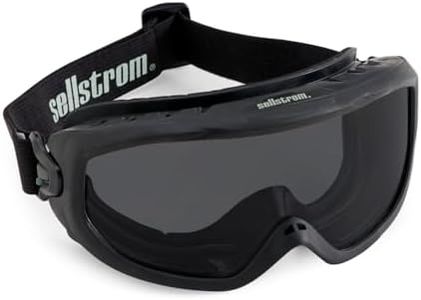
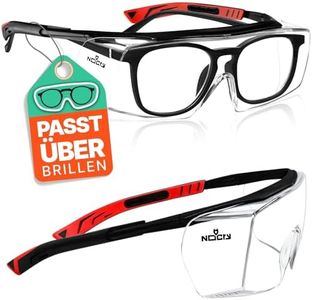
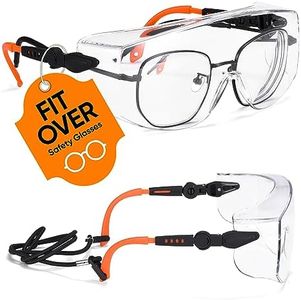
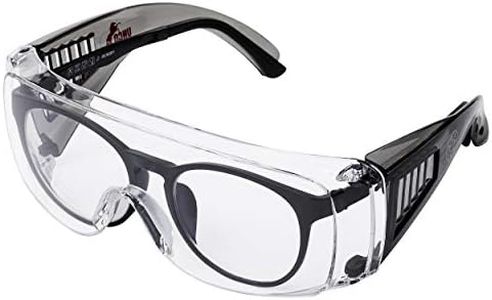
Related Products
Up to 20% off
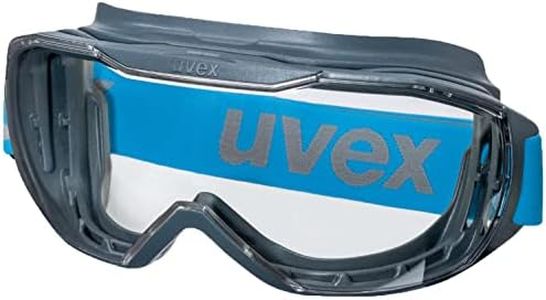
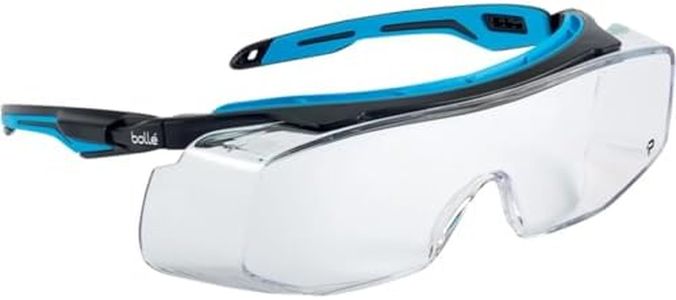
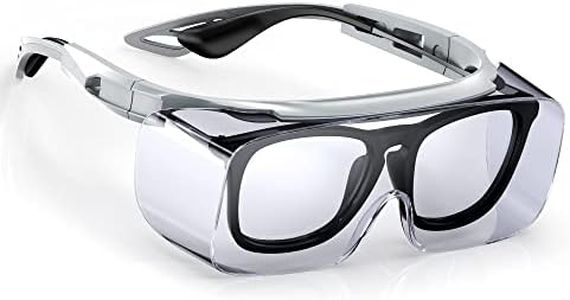
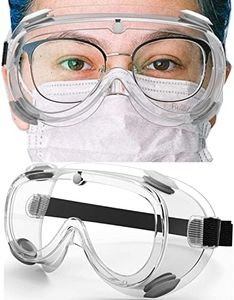
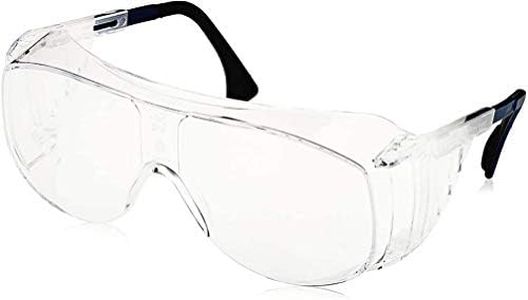
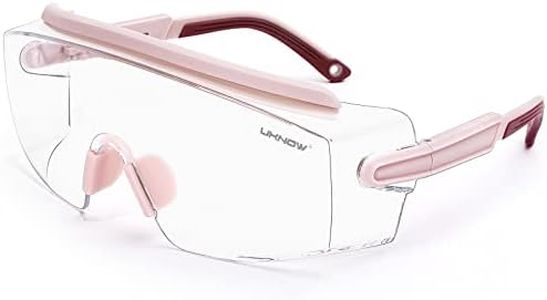
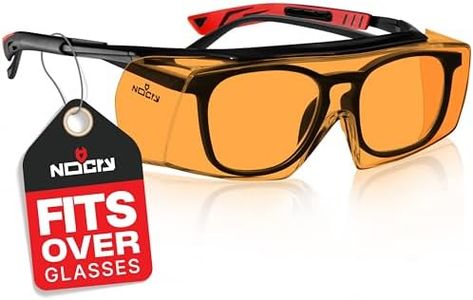
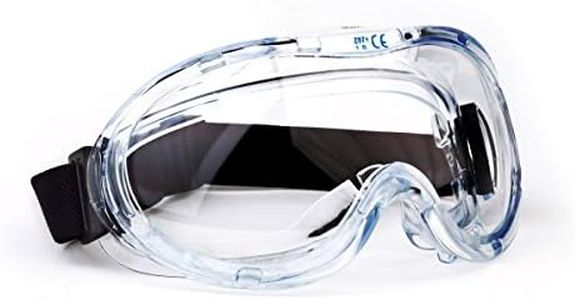
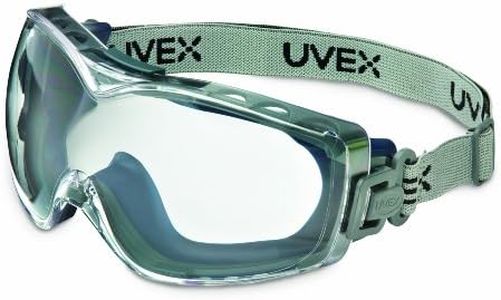
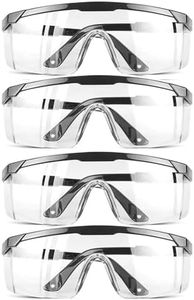
Buying Guide for the Best Safety Goggles For Over Glasses
Choosing safety goggles that fit over glasses can be a bit tricky, but it's essential for anyone who wears prescription eyewear and needs eye protection for activities like lab work, woodworking, or construction. The goal is to find goggles that provide full coverage, feel comfortable over your glasses, and don't limit your visibility or movement. Focus on how the goggles fit with your glasses, their protection level, comfort, and usefulness in the specific setting you'll be using them.Size and FitSize and fit are about how well the goggles accommodate your glasses without pinching, feeling too tight, or leaving gaps around your eyes. Some goggles are labeled 'over-glasses' or 'OTG' (over the glasses), meaning they're specifically designed with enough space for prescription eyewear. When looking at size and fit, check user reviews and look for features like adjustable straps to ensure a secure and comfortable wear. If your glasses are larger or have thick frames, you'll want goggles with deeper or wider lenses. If you use small or thin-framed glasses, smaller goggles may work, but they should still fully cover your eyewear.
Lens Material and CoatingsThe lens material affects clarity, impact resistance, and longevity. Polycarbonate is a common choice because it's tough and lightweight. Some goggles have additional coatings, like anti-fog or anti-scratch, which can make a big difference in certain environments. Anti-fog is helpful if you'll be moving between temperatures or doing high-energy tasks, while anti-scratch protection is ideal if you expect the goggles to get bumped or wiped often. Choose lenses with the right coatings based on your work or hobby: fog-prone environments need anti-fog; dusty places need extra scratch resistance.
VentilationVentilation refers to how the goggles allow air to move in and out, helping reduce fogging and keep your face comfortable. Some goggles have direct vents (small holes), which are great for airflow but offer less protection from splashes, while indirect vents circulate air in a way that protects against liquids or dust. If you'll be working with chemicals or fine particles, choose goggles with indirect or covered vents. For situations where exposure is minimal, direct vented goggles may suffice for better comfort.
Seal QualitySeal quality is about how snugly the goggles sit against your face. A good seal prevents debris, splashes, or dust from reaching your eyes, especially if you wear glasses underneath. Look for soft, flexible edges or foam padding for a better fit and increased comfort during long wear. The right seal depends on your needs: tight seals are needed for chemical handling or dusty environments, while a looser, softer seal may be okay for lighter tasks.
Visibility and Field of ViewThis refers to how much you can see while wearing the goggles, and how clearly. Wide or wraparound lenses provide a fuller field of view and better side protection, useful when you need to be aware of your surroundings. If you do tasks that require looking around a lot or fine detail work, prioritize goggles with large, clear lenses. For simple, short tasks, a basic wide lens may be enough.
Compliance and CertificationsSafety goggles should meet recognized safety standards for impact and splash protection. Look for compliance with standards such as ANSI Z87.1 or EN166, which indicate the goggles have been tested for various hazards. If your workplace or activity requires eye protection, make sure the goggles meet or exceed the recommended standards for your specific needs.