10 Best Salmon Fishing Rod
From leading brands and best sellers available on the web.By clicking on a link to a third party's website, log data is shared with that third party.
Related Products

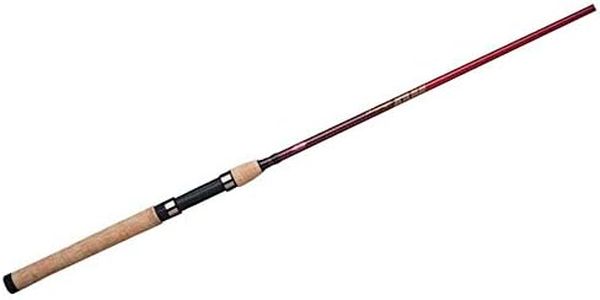
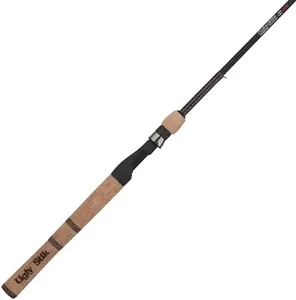
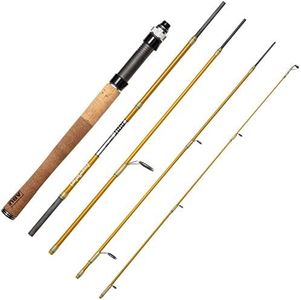
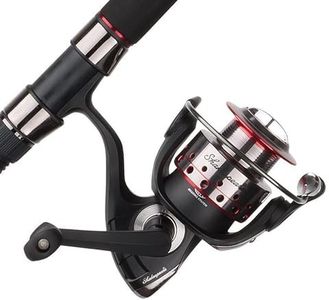
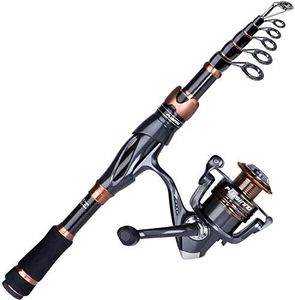
Recommended lists

Top rated
Fishing Rods
Buying Guide for the Best Salmon Fishing Rod
Choosing the right salmon fishing rod can make a huge difference in your fishing experience. The best rod for you depends on where and how you plan to fish, the type of salmon you are targeting, and your own comfort and skill level. Taking a moment to learn about the key features can help you select a rod that will perform well, feel comfortable, and last through many fishing trips.Rod LengthRod length refers to how long the fishing rod is from handle to tip. This is important because longer rods generally allow you to cast farther, which can be helpful for bank fishing or reaching distant fish. Shorter rods offer better control and are easier to handle, which can be a benefit if you’re fishing from a boat or in tight spaces. Rods around 8-10 feet are often versatile for salmon fishing; shorter than that may be too limiting, while rods longer than 10 feet can be unwieldy unless you specifically need extra casting distance. You should consider where you will be fishing and how far you’ll need to cast when deciding on length.
Rod PowerRod power indicates how much force is needed to bend the rod, which directly relates to how big a fish it can handle. This is often described as light, medium, medium-heavy, or heavy. For salmon, medium-heavy to heavy power rods are usually best because salmon are strong fighters and can be quite large. Choosing a rod with the right power for the average size of salmon in your area will help you land fish successfully without risking breakage.
Rod ActionRod action describes where along the rod the bend occurs when pressure is applied. Fast action rods bend mostly at the tip, giving better sensitivity and faster hook sets. Moderate or medium action rods bend more into the middle, absorbing shock better and reducing the chance of line breakage. For salmon fishing, moderate to fast action is often preferred, providing a good balance of sensitivity and power for handling larger fish. Your preference can also depend on your fishing style—if you like feeling bites instantly, fast action is ideal, but if you want more forgiveness, moderate might be better.
Rod MaterialFishing rods are typically made from graphite, fiberglass, or a blend of both. Graphite rods are lighter and more sensitive, allowing you to detect gentle bites easily, but they may be more brittle. Fiberglass rods are tougher and more flexible, which makes them great for fighting big, strong fish like salmon, though they might feel heavier. Many modern rods use a blend of these materials to offer a good mix of sensitivity and durability. Your choice here should consider how much you value sensitivity versus strength and how heavy a rod you’re comfortable using.
Line Weight CompatibilityLine weight refers to the strength (measured in pounds) of fishing line that the rod is designed to handle. Using a line that matches your rod’s recommended range improves casting efficiency and fish-fighting ability. For salmon fishing, rods compatible with heavier lines—often in the 10-20 pound (or more) range—are preferred to withstand strong runs and avoid breakage. Check what line weights are best for your local species and typical fishing conditions to ensure good performance.
Handle TypeHandle type deals with the material and length of the grip at the base of the rod. Common materials include cork, EVA foam, or a synthetic mix, all of which offer different levels of comfort and grip, especially when wet. Longer handles are often useful for two-handed casting or leverage against large salmon, while shorter handles can be handy for precise movement. You should pick the handle that feels comfortable in your hands and suits your style, considering whether you’ll be standing and casting repeatedly or fighting big fish for extended periods.